

As the air turns crisp and the leaves begin to paint the landscape in hues of orange, red, and gold, designing a fall garden path with seasonal blooms becomes a delightful and rewarding project. A well-designed path not only guides you through your garden but also serves as a canvas for showcasing the vibrant colors and textures that autumn brings. Incorporating seasonal blooms along your garden path enhances its visual appeal, creates a harmonious flow, and provides a stunning backdrop for your outdoor activities. I’m thrilled to share my favorite tips and plant selections to help you craft a beautiful and inviting fall garden path that celebrates the season’s rich palette and invigorates your gardening experience!
Creating a fall garden path involves thoughtful planning, selecting the right materials, and choosing plants that thrive in cooler temperatures while offering a burst of color and fragrance. Whether you prefer a traditional stone walkway, a rustic gravel path, or a modern concrete trail, integrating seasonal blooms adds layers of interest and ensures that your path remains vibrant and engaging throughout the autumn months. Additionally, understanding the native origins and growth habits of your chosen plants ensures that they thrive in your specific climate and soil conditions, contributing to a sustainable and low-maintenance garden. Let’s explore the essential elements and creative ideas for designing a fall garden path that is both functional and breathtaking!
Selecting Seasonal Blooms
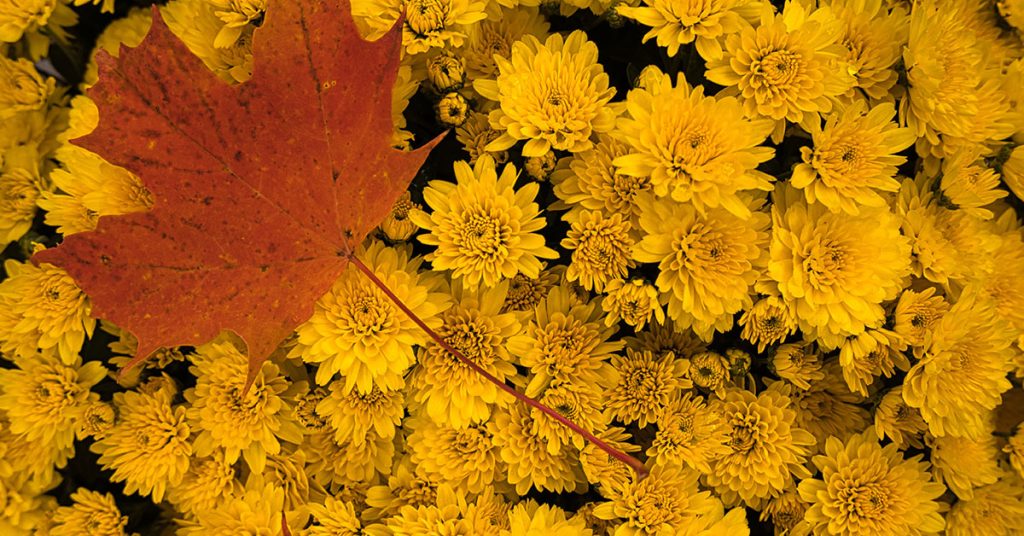
Choosing the right seasonal blooms is crucial for creating a captivating fall garden path that highlights the beauty of autumn. One of my favorite plants for fall paths is the Chrysanthemum (Chrysanthemum spp.) native to East Asia. These vibrant flowers come in a variety of colors, including deep reds, oranges, and yellows, which perfectly complement the autumn palette. Chrysanthemums not only add a splash of color but also attract beneficial pollinators like bees and butterflies, enhancing the ecological balance of your garden. Additionally, their sturdy stems and long blooming period make them ideal for lining pathways, ensuring that your garden path remains colorful well into the colder months.
Another excellent choice is the native Aster (Symphyotrichum spp.) native to North America, known for their star-shaped flowers that bloom late in the season. Asters provide a beautiful contrast to the falling leaves and serve as a critical nectar source for migrating pollinators preparing for winter. Incorporating a mix of chrysanthemums, asters, and other native fall-blooming flowers like Sedum (Sedum spp.) native to Europe allows you to create a diverse and resilient floral display along your garden path. By selecting a variety of seasonal blooms, you ensure continuous color and interest, making your fall garden path a vibrant and inviting feature in your outdoor space!
Pathway Materials and Layout
The materials and layout of your garden path play a significant role in enhancing the overall aesthetic and functionality of your fall garden. One popular option is using natural stone, such as slate or flagstone, which offers a timeless and elegant look that blends seamlessly with the autumn surroundings. Native stone materials not only provide durability and longevity but also add texture and visual interest to your garden path. Additionally, arranging the stones in a meandering or curved pattern can create a more organic and inviting pathway that guides visitors through the garden, allowing them to fully appreciate the seasonal blooms and fall foliage.
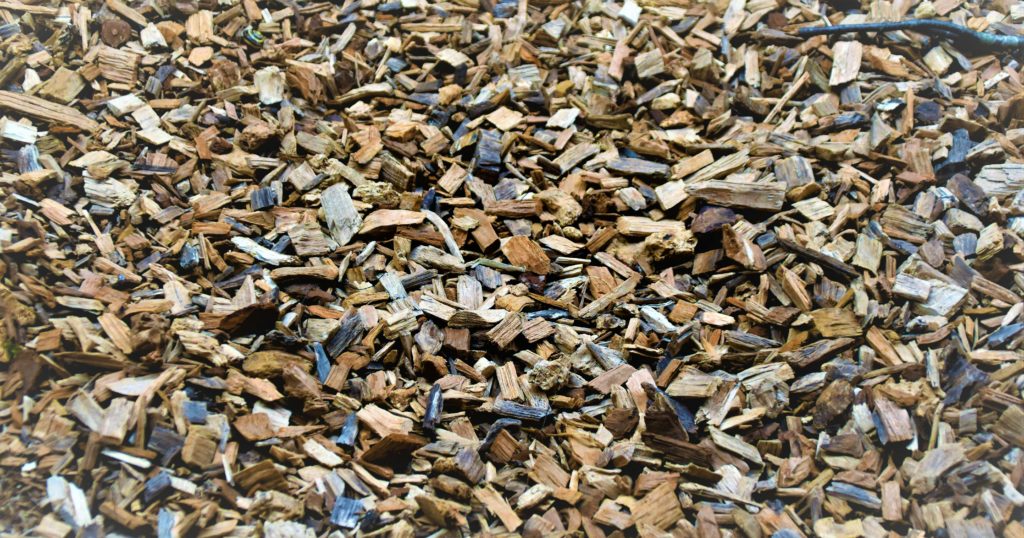
Alternatively, gravel paths offer a rustic and low-maintenance option that complements the natural beauty of fall gardens. Using colored gravel, such as red or orange pebbles, can enhance the vibrant colors of your seasonal blooms and add a playful element to your garden design. Mulch or bark pathways are another excellent choice, providing a soft and natural appearance that integrates well with woodland or cottage-style gardens. When designing your path layout, consider incorporating gentle slopes and varied widths to create visual interest and accommodate different types of seasonal blooms. By thoughtfully selecting pathway materials and designing a harmonious layout, you create a functional and visually stunning fall garden path that enhances your overall gardening experience!
Enhancing with Native Grasses

Integrating native grasses into your fall garden path design adds movement, texture, and a touch of wild elegance that enhances the sensory experience of your garden. One of my favorite native grasses for fall paths is Little Bluestem (Schizachyrium scoparium) native to North America, known for its fine-textured foliage and striking bronze-blue hues that deepen as the season progresses. Little Bluestem sways gracefully in the autumn breeze, creating a soothing rustling sound that adds a dynamic element to your garden path. Additionally, its upright growth habit provides vertical interest and a backdrop for your seasonal blooms, creating a layered and cohesive garden design.
Another excellent choice is Fountain Grass (Pennisetum alopecuroides) native to Africa, which offers fluffy, bottlebrush-like flower spikes that add visual interest and attract pollinators. Although not native to all regions, Fountain Grass is non-invasive in well-maintained gardens and can be used sparingly to add height and movement without overwhelming other plants. Incorporating a mix of native grasses like Little Bluestem and carefully selected ornamental grasses like Fountain Grass creates a balanced and visually appealing garden path that showcases the beauty and resilience of fall vegetation. By enhancing your path with native grasses, you add a touch of natural elegance and create a more immersive and engaging autumn gardening experience!
Incorporating Fragrant Herbs
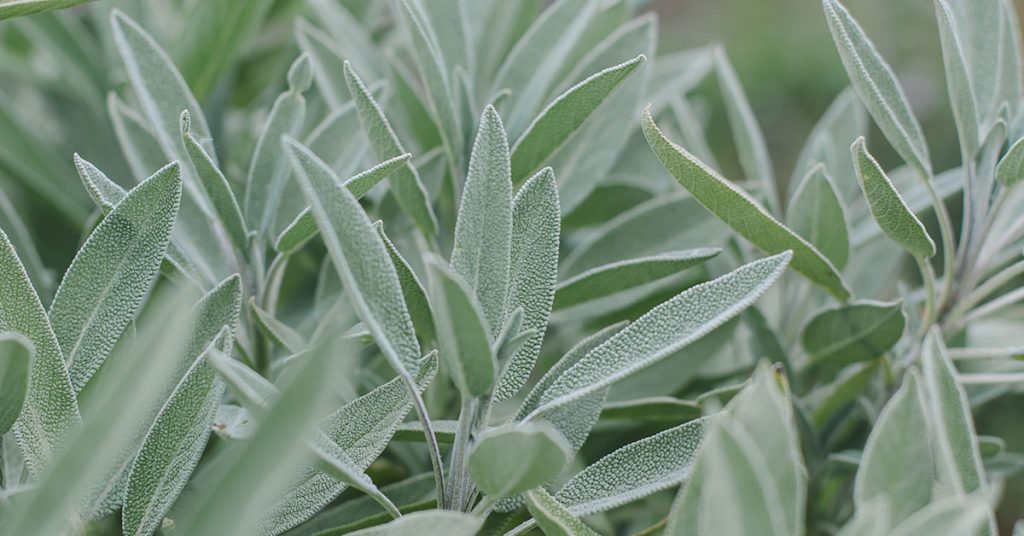
Adding fragrant herbs along your fall garden path not only enhances the sensory appeal but also provides practical benefits such as pest deterrence and culinary uses. One of my favorite fragrant herbs is Sage (Salvia officinalis) native to the Mediterranean, known for its strong aroma and silvery-green foliage that adds a touch of elegance to any garden path. Sage’s fragrant leaves release a pleasant scent when brushed against, creating an aromatic experience that delights the senses and masks unwanted odors. Additionally, Sage attracts beneficial pollinators like bees and butterflies, supporting the overall health of your garden ecosystem.
Another excellent choice is Thyme (Thymus vulgaris) native to Europe, which offers a sweet and earthy fragrance that complements the vibrant colors of fall blooms. Thyme is a hardy perennial that thrives in well-drained soil and full sun, making it an ideal addition to garden paths where it can spread slightly, filling the air with its delightful scent. Incorporating a variety of fragrant herbs like Sage, Thyme, and Rosemary (Rosmarinus officinalis) native to the Mediterranean not only enhances the sensory experience of your garden path but also provides fresh herbs for your culinary adventures. By thoughtfully integrating fragrant herbs, you create a garden path that is both beautiful and functional, enriching your fall gardening experience with delightful aromas and useful plants!
Utilizing Seasonal Bulbs
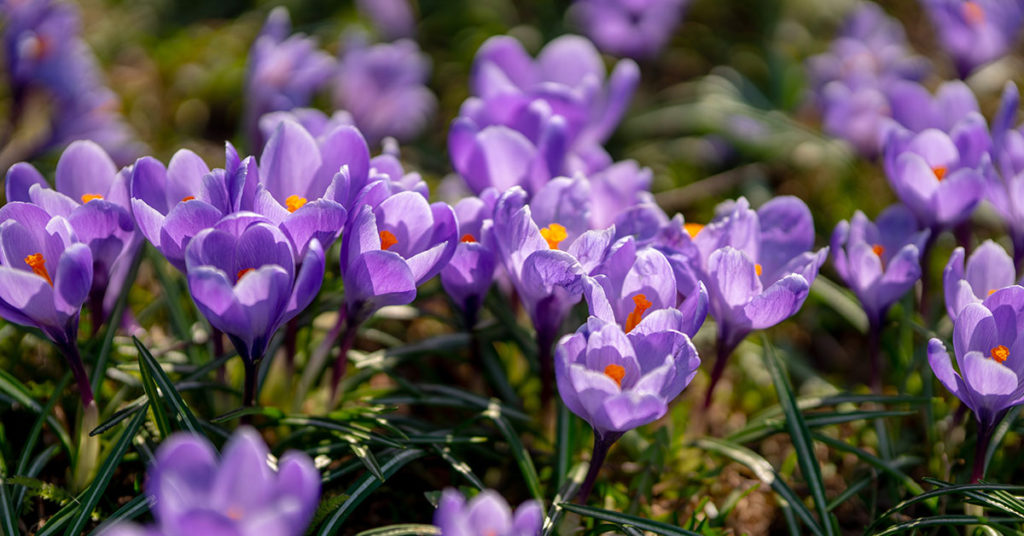
Seasonal bulbs are a fantastic way to add bursts of color and excitement to your fall garden path, ensuring that your pathway remains vibrant and engaging even as the season changes. One of my favorite seasonal bulbs is the Autumn Crocus (Colchicum autumnale) native to Europe, known for its delicate, cup-shaped flowers that bloom in late summer and early fall. These bulbs add a splash of color with their deep purple, pink, or white petals, creating a charming and unexpected highlight along your garden path. Additionally, Autumn Crocuses are relatively low-maintenance and naturalize well, providing year after year beauty without requiring extensive care.
Another excellent choice is the Daffodil (Narcissus spp.) native to Europe and North Africa, which offers cheerful yellow or white blooms that brighten up the autumn landscape. Daffodils are not only visually stunning but also deer-resistant, making them a practical addition to garden paths where wildlife may be a concern. Incorporating a mix of Autumn Crocuses, Daffodils, and other seasonal bulbs like Tulips (Tulipa spp.) native to Central Asia adds layers of color and texture, creating a dynamic and captivating garden path that celebrates the beauty of fall. By utilizing seasonal bulbs, you ensure that your garden path remains a lively and colorful focal point throughout the autumn months, enhancing the overall charm and appeal of your outdoor space!
Creating Focal Points

Creating focal points along your fall garden path draws the eye and adds depth and interest to your garden design. One effective way to create a focal point is by incorporating a stunning specimen plant, such as a native Burning Bush (Euonymus alatus) native to Asia, known for its vibrant red foliage that stands out against the autumn backdrop. Positioned strategically at the end of your path or along its curves, the Burning Bush becomes a striking visual anchor that highlights the beauty of fall and guides visitors through the garden.
Another excellent focal point option is a decorative garden ornament, such as a vintage lantern, a colorful birdbath, or a charming statue. These elements add personality and style to your garden path, creating a memorable and inviting atmosphere that enhances the overall sensory experience. Additionally, incorporating a focal point with seasonal blooms, such as a large Chrysanthemum or a stunning Fall Aster, can draw attention and provide a stunning backdrop for your garden path. By thoughtfully designing focal points, you create a visually engaging and cohesive garden path that showcases the best of autumn’s colors and textures, making your fall garden a truly enchanting and delightful space!
Enhancing with Lighting

Incorporating lighting into your fall garden path design not only extends the usability of your garden into the evening hours but also highlights the seasonal blooms and creates a magical ambiance. One of my favorite lighting options is solar-powered pathway lights, which are easy to install and eco-friendly. Placing these lights along the edges of your path illuminates the ground, making the pathway safer and more accessible after dark while casting beautiful shadows on your seasonal blooms. Additionally, string lights or fairy lights draped overhead can add a whimsical touch, creating a charming and inviting atmosphere that enhances the sensory experience of your garden.
Another excellent lighting option is LED spotlights or garden lamps that can be directed towards specific plants or focal points, accentuating their colors and textures during the fall season. For example, illuminating a vibrant Chrysanthemum or a striking Burning Bush with focused lighting creates dramatic contrasts and highlights the natural beauty of your seasonal blooms. Incorporating lighting elements not only enhances the aesthetic appeal of your garden path but also adds layers of visual interest and depth, making your fall garden a captivating and enchanting space to enjoy both day and night. By thoughtfully integrating lighting, you create a warm and inviting garden path that celebrates the beauty of fall and extends your enjoyment of the outdoor space well into the evening hours!
Utilizing Native Shrubs and Bushes
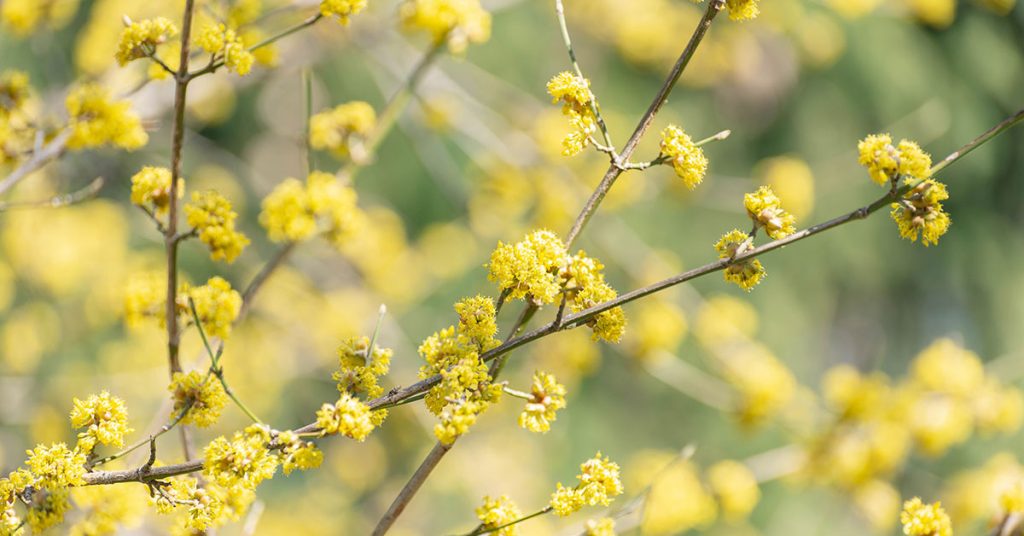
Incorporating native shrubs and bushes into your fall garden path design adds structure, color, and ecological benefits that enhance the overall beauty and functionality of your garden. One of my favorite native shrubs is the Spicebush (Lindera benzoin) native to North America, which offers aromatic foliage and vibrant yellow flowers in the spring that transition to rich fall colors. Spicebush provides a natural screen along your garden path, offering privacy and shelter for beneficial wildlife while adding a touch of elegance and fragrance to your garden design.
Another excellent choice is the native Burning Bush (Euonymus alatus) native to Asia, known for its stunning red foliage that creates a striking contrast against the autumn landscape. Planting Burning Bush along the sides of your garden path adds a burst of color and visual interest, making the path more inviting and lively. Additionally, native shrubs like the American Beautyberry (Callicarpa americana) native to North America, with their clusters of bright purple berries, add seasonal interest and attract birds, enhancing the biodiversity of your garden path. By utilizing native shrubs and bushes, you create a layered and textured garden path that supports local wildlife, enhances soil health, and showcases the vibrant colors of fall, making your garden a beautiful and sustainable outdoor sanctuary!
Integrating Edible Plants
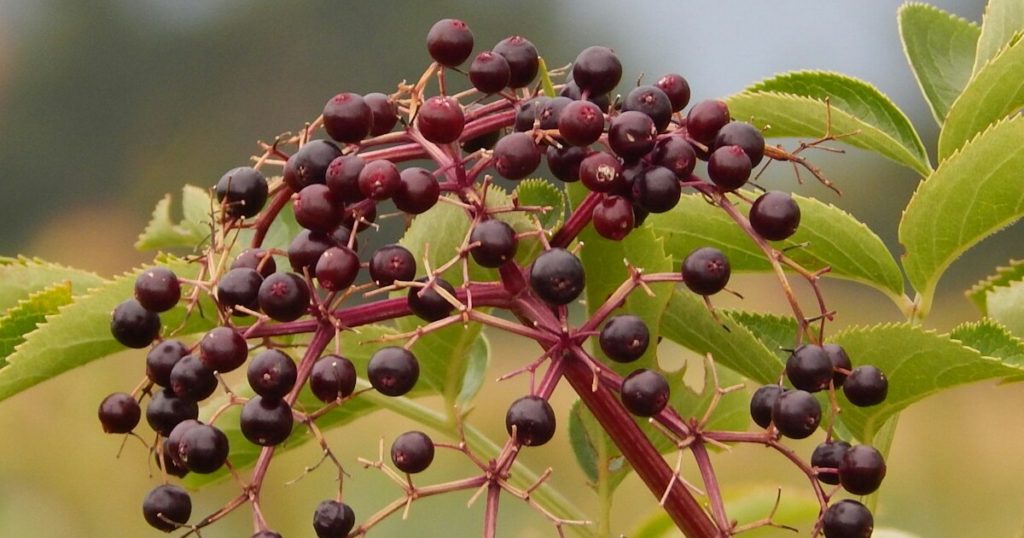
Incorporating edible plants along your fall garden path adds a practical and rewarding element to your garden design, allowing you to enjoy fresh produce while enhancing the aesthetic appeal of your pathway. One of my favorite edible plants for fall paths is the native Elderberry (Sambucus nigra) native to Europe, known for its rich, dark berries that can be used in jams, syrups, and wines. Elderberries add a deep, lush green color to your garden path, and their clusters of white flowers in the summer transition to glossy berries in the fall, providing both visual and culinary delights.
Another excellent choice is the native Autumn Olive (Elaeagnus umbellata) native to Asia, which produces bright red berries that are both attractive and edible, adding a pop of color to your garden path. Although Autumn Olive is considered invasive in some regions, it can be managed effectively within a controlled garden path setting to provide its beautiful blooms and tasty fruits without spreading uncontrollably. Additionally, incorporating plants like the native Cranberry (Vaccinium macrocarpon) native to North America offers both aesthetic beauty with their glossy foliage and delicious berries that can be harvested for culinary use. By integrating edible plants into your fall garden path, you create a multifunctional and engaging outdoor space that not only looks stunning but also provides fresh, flavorful produce, enhancing your gardening experience and offering practical rewards throughout the season!
Providing Shelter for Wildlife
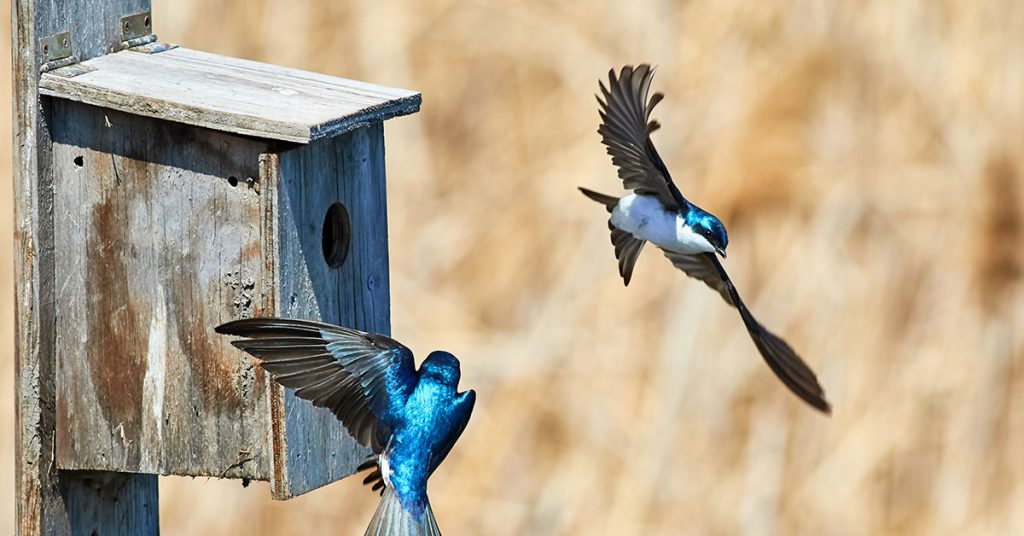
Creating a fall garden path that provides shelter for wildlife enhances the overall ecosystem and adds life and movement to your garden. Native plants like the Spicebush (Lindera benzoin) native to North America offer dense foliage and berries that attract birds and beneficial insects, providing both food and habitat along your garden path. Additionally, incorporating elements like birdhouses, insect hotels, or small water features can create inviting shelters for various wildlife, enhancing the biodiversity and vibrancy of your garden.
Offering shelter for wildlife not only supports local ecosystems but also adds dynamic interactions to your garden path, making it a lively and engaging space to enjoy. For example, installing a birdbath near your path attracts birds, which in turn help control insect populations and pollinate your plants. Planting native shrubs and bushes that provide nesting sites and cover for small animals like frogs and beneficial insects creates a balanced and thriving garden environment. By providing shelters and habitats for wildlife, you enrich your fall garden path with the sounds and movements of nature, creating a serene and harmonious outdoor space that delights all the senses and fosters a deeper connection with the natural world!