
What Forcing Actually Means
Forcing is a method used by gardeners to bring flowering branches indoors and encourage them to bloom ahead of schedule. It works by cutting branches with visible buds from trees or shrubs that normally flower in late winter or early spring, placing them in water indoors where the warmth and moisture signal the plant that it’s time to grow.
Forcing applies to any flower you get to grow early by mimicking its natural conditions. When it comes to branches, this encourages the flowers to bloom indoors before they begin blooming outside. The process is low-tech and doesn’t require any specialized equipment.
This technique doesn’t require fancy tools or a greenhouse, just the right cuttings, a vase, and a little time.Why February Is the Sweet Spot
Branches are ripe for harvest in February. Plants have had the six weeks of dormancy they need and are starting to plump their buds in anticipation of spring.
Spring-flowering trees and shrubs set their flower buds the previous fall. Once the buds have been exposed to cold for several months, usually by mid-January, branches can be cut and forced to bloom early indoors. Attempting this too soon, before that cold exposure is complete, produces sparse or uneven results.
A certain period of cold weather under 40 degrees Fahrenheit, usually at least eight weeks, is needed before the plant has overcome its dormancy requirement. Forcing before this time may result in only a few flowers opening at one time.
The Best Branches to Choose
The easiest branches to force include apple and crabapple, cherry, dogwood, flowering quince, forsythia, honeysuckle, magnolia, pear, pussy willow, redbud, serviceberry, and witch hazel. That’s a generous lineup, covering a wide range of colors, forms, and bloom times.
To force blossoms indoors in mid-February, choose types of trees that normally bloom in early spring, like flowering quince, Cornelian cherry, and forsythia. In March, try to force branches like crabapples and deciduous fruit trees, or even lilacs, redbuds, and magnolias.
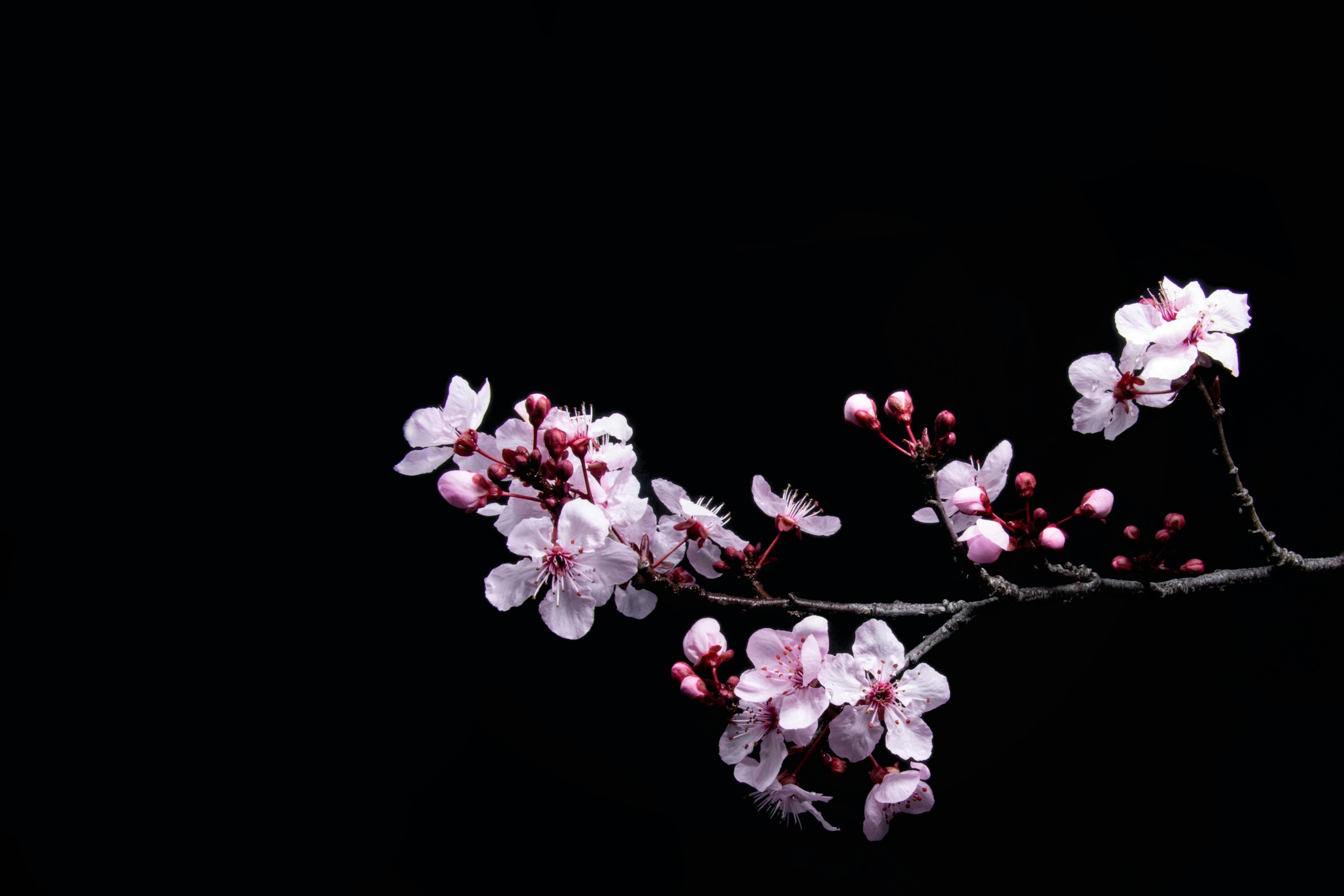
Trees in the rose family, including cherry, apple, crabapple, and quince, can all be forced inside and will take about four weeks to bloom. It’s worth avoiding ornamental pears, as some varieties can have a very bad, rotting fish-like smell.
Forsythia: The Designer’s First Choice

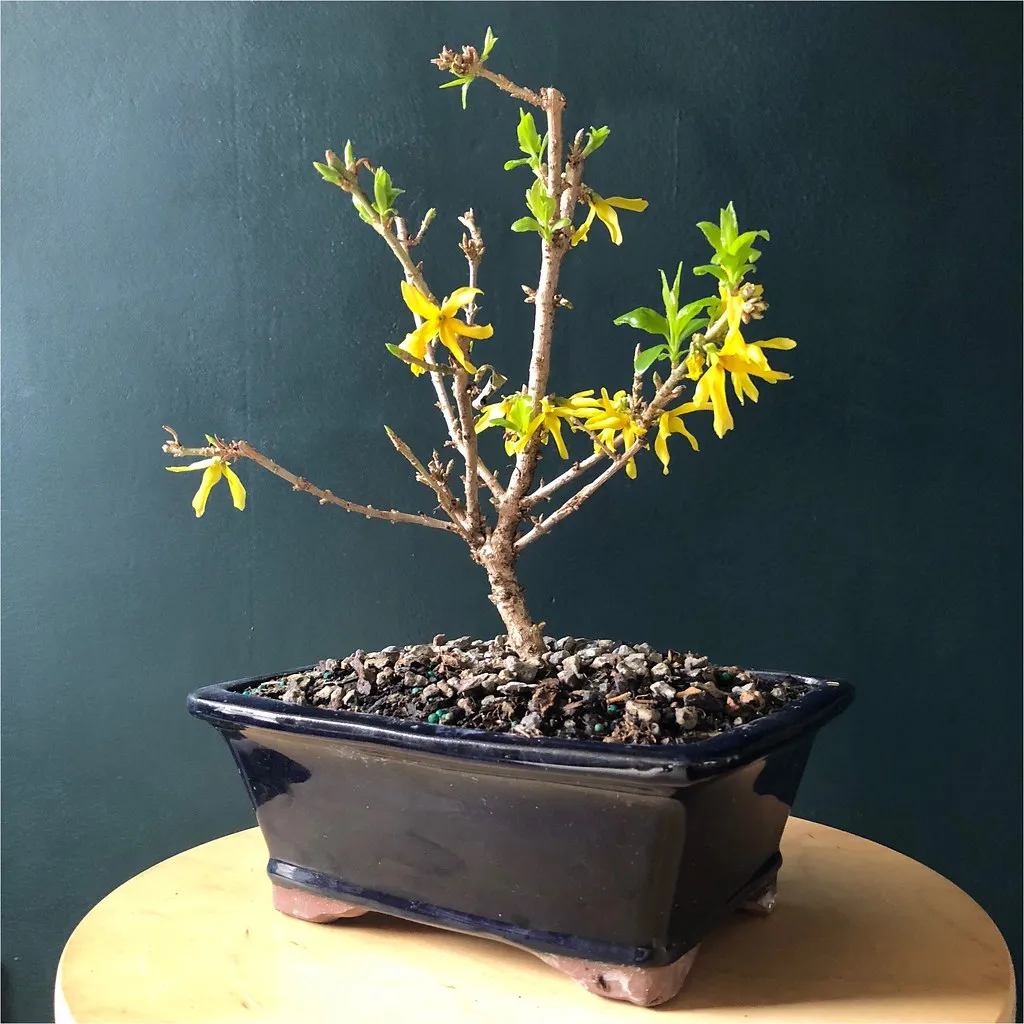
One of the easiest flowers to force is forsythia. It’s as simple as cutting a few branches off the bush, bringing them inside, and placing them in water. Within a week, you’ll have sunny yellow flowers brightening up a kitchen table.
Forsythia is one of the most reliable branches to force indoors. Its bright yellow blooms open quickly, often within a week, and are perfect when you’re longing for instant spring cheer. For designers working under time constraints, that rapid payoff is hard to beat.
How to Cut Branches Correctly

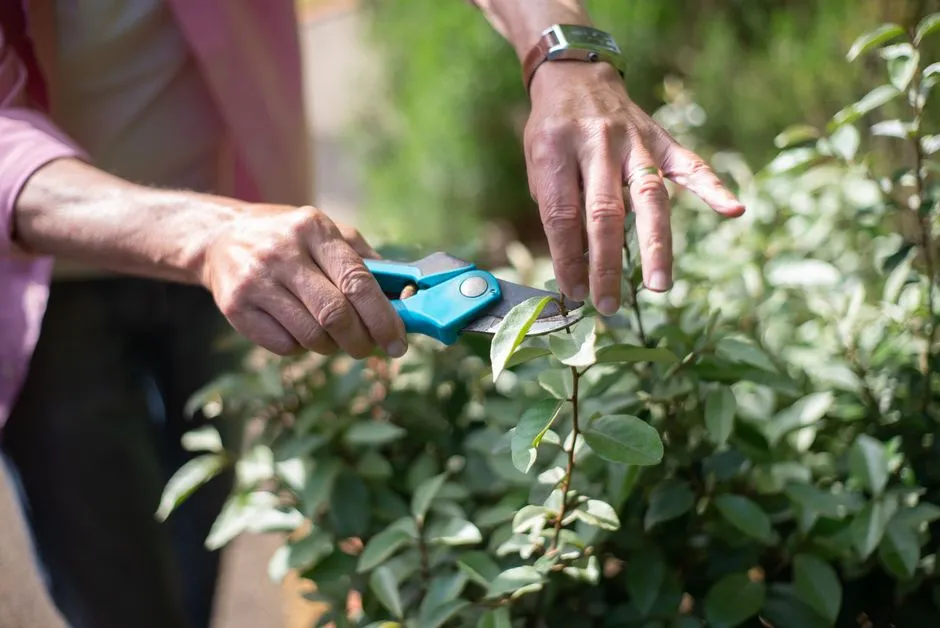
Prune branches for forcing carefully, using proper pruning techniques, and cut off only those branches that are not essential to the plant’s basic shape. On a day above freezing, cut branches at least one foot long that have plenty of flower buds. Flower buds are usually larger and more plump than leaf buds.
Make your cuts just above a bud on a diagonal slant to prevent water from pooling on top of the cut. Cut the base of the stem at an angle and hit it a few times with a hammer to really spread open the wood and allow it to absorb the most water. Re-cut and smash the branch bases every few days to keep the flowers lasting as long as possible.
Snip branches between six and eighteen inches long and bring them indoors for blooming. The closer you are to the tree’s actual flowering time, the faster it will flower indoors.
Getting the Branches into Water
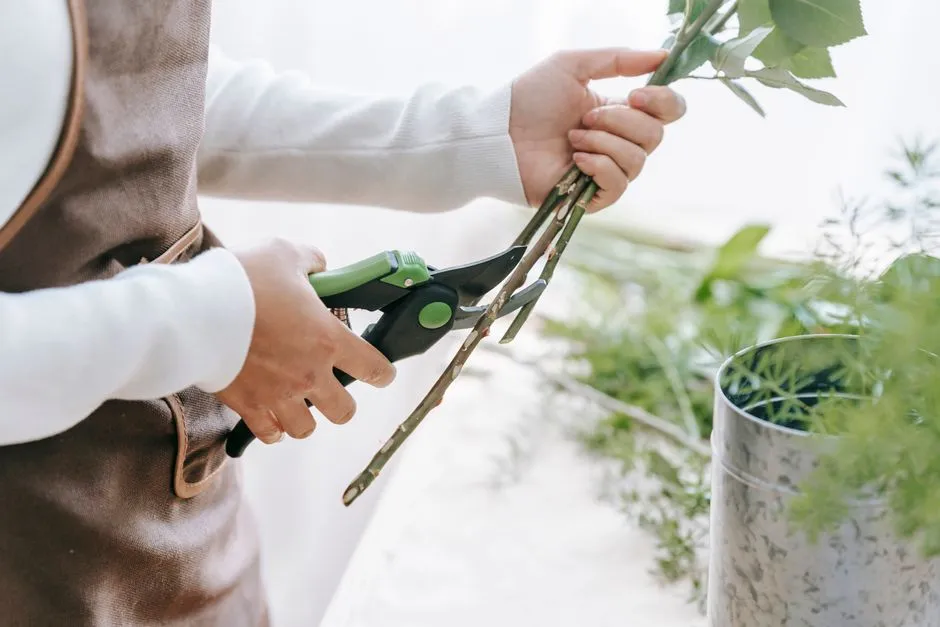
Once you’ve cut some stems, bring them inside and place the cut ends in a pail of water to soak overnight. The next morning, recut the bottoms of the stems and add them to a vase with warm water and a bit of powdered floral fertilizer.
Place cut branches in a container of warm water. Then, while holding each stem underwater, make a fresh cut one inch from the base. Cutting stems underwater helps prevent air from entering the stem through the cut end and blocking water uptake.
Regardless of your technique, change the water at least weekly to keep bacteria at bay. This simple step extends the life of your display considerably.
Where to Display Them Indoors

Place your finished design away from fireplaces and other heat sources. To mimic spring’s temperatures, display your branches in a cooler room out of direct sunlight. This slows the opening process slightly, but rewards you with longer-lasting blooms.
Keep the vase in a bright room away from heaters and direct sunlight. The brighter the room, the better the quality of bloom. Misting branches helps to prevent the buds from drying out before they bloom.
Designing the Arrangement
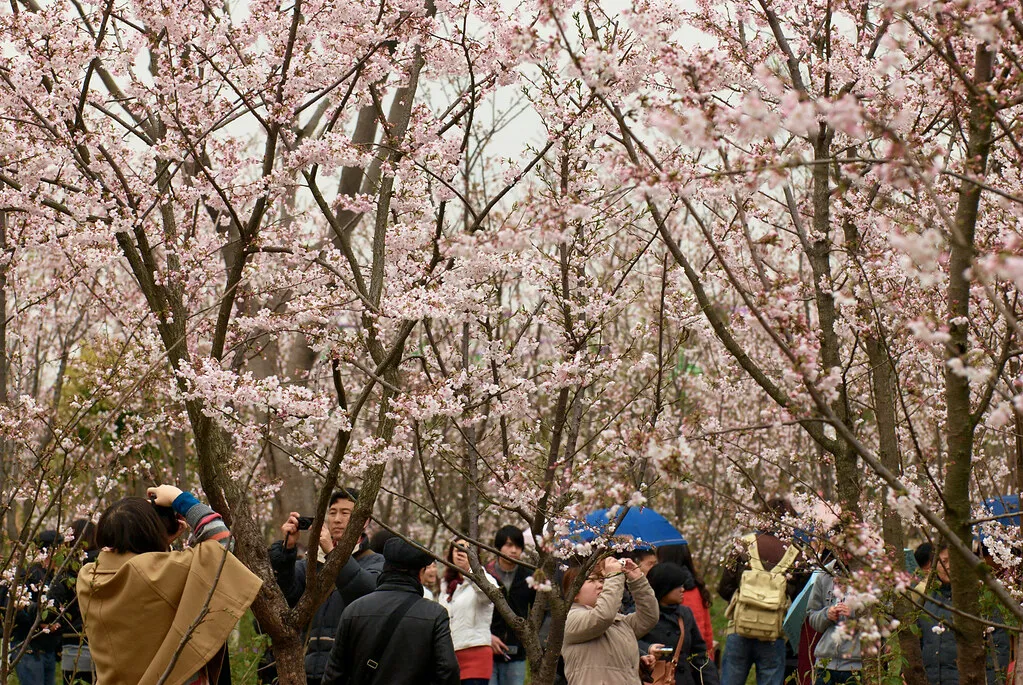
Sculptural and fleeting, blossoms make a dramatic statement in entryways, arches, or large-scale installations. Designers treating forced branches as a focal point rather than a filler tend to get the most striking results. A single tall vessel with a few dramatic cherry branches can anchor an entire room.
Balance the arrangement with tall arching branches in multiple directions, and some shorter branches in the center to create fullness. If you’re using a bowl-shaped vessel for your flowering branches, insert floral netting, chicken wire, or even a plastic berry box turned upside down for stability.
Decorating with flowers in 2025 is all about harnessing a wild, freshly picked look that feels effortless and imperfect, so don’t overthink when styling blossom. Forced branches suit this mood perfectly.
Does Cutting Harm the Tree?
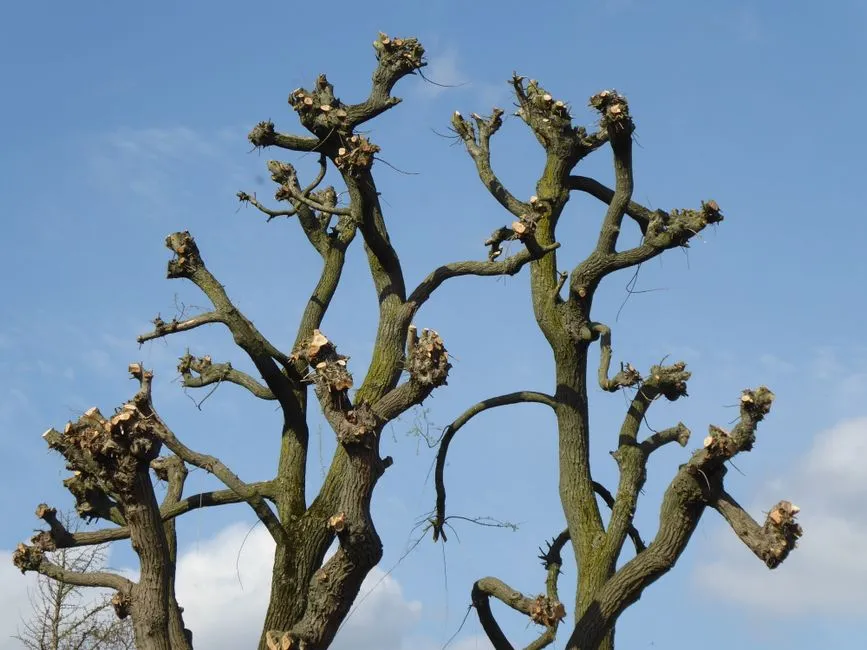
This does not harm the tree you cut the branches from if done properly, similar to regular pruning. That’s a reassurance worth repeating, since many people hesitate to cut from a tree they care about.
Late winter is also an ideal time to prune deciduous trees and shrubs anyway, so go ahead and shape your shrub or tree and remove any diseased, old, crossing, or otherwise unwanted branches while you’re out there. The forcing project becomes part of a productive pruning session.
If you are pruning branches just for forcing, try to choose branches from more dense areas of the plant and cut them evenly around the plant, as you will be removing some of its natural spring display. Be careful not to disfigure the tree or shrub.
How Long Until They Bloom?
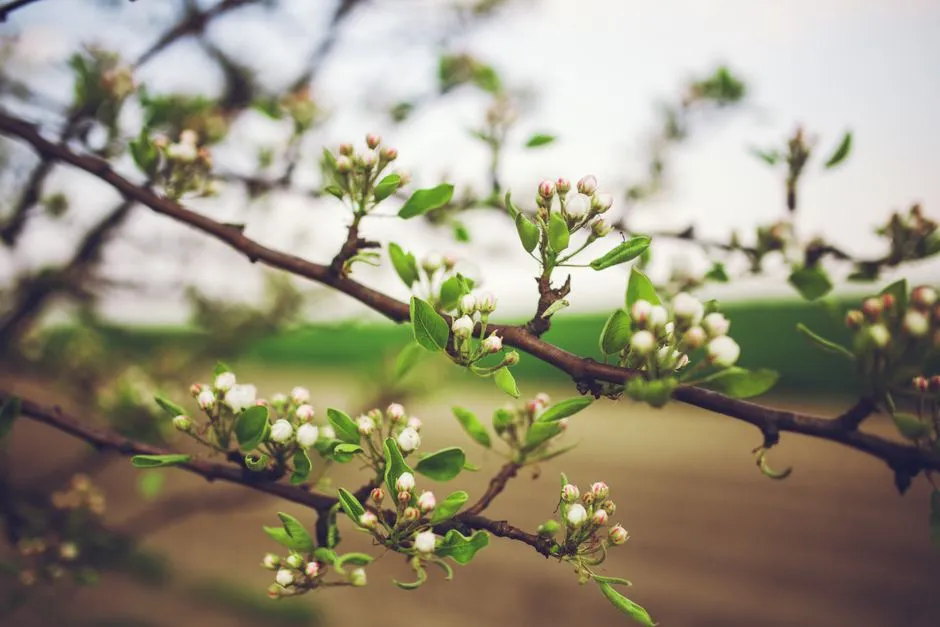
Once the branches are indoors in water, it may take one to four weeks for the blossoms to open, although two weeks is typical. The closer to their natural bloom time you cut the branches, the sooner they will open.
Leave the branches in water in a warm room, and in one to four weeks, flowers will bloom indoors right up until the spring. You may even get a second blooming, too. That’s a remarkable return for something that costs nothing but a bit of time and a sharp pair of pruners.
The Bigger Picture: Biophilic Design and Wellbeing

Florists working in urban centers like New York, Tokyo, and Paris are leading the charge in integrating florals with interiors using biophilic principles. Home styling with flowers is no longer a luxury, it’s a lifestyle trend.
Our interior spaces not only need to look beautiful, they need to make us feel good. There is a growing focus on floral trends that enhance feelings of comfort and wellbeing in the home. Forced branches, with their connection to living nature and the changing of seasons, fit squarely into this movement.
There is a broader design shift underway toward wild, organic florals, featuring asymmetrical shapes, dried elements, pinecones, branches, and even upcycled vessels. It’s all about dimension, sustainability, and a nod to nature. Forced branches tick every one of those boxes.
The Takeaway
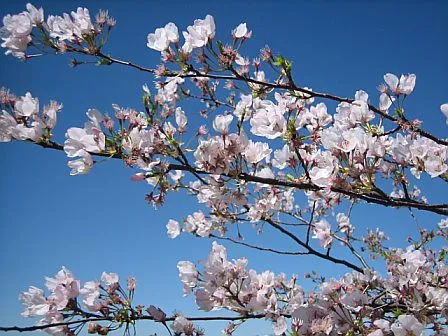
There’s something quietly satisfying about forcing branches. You’re not buying anything exotic or following a complicated trend. You’re walking out to your own yard in the cold, making a few careful cuts, and letting biology do the rest. The branches do the work; you just bring them inside.
February doesn’t have to feel like a waiting room for spring. With the right shrub, a clean pair of pruners, and a tall vase, you can have cherry blossoms opening on your kitchen counter while snow is still on the ground outside. That’s a small but genuine kind of luxury, available to almost anyone with a flowering tree and the patience to try.
AI Disclaimer: This article was created with the assistance of AI tools and reviewed by a human editor.