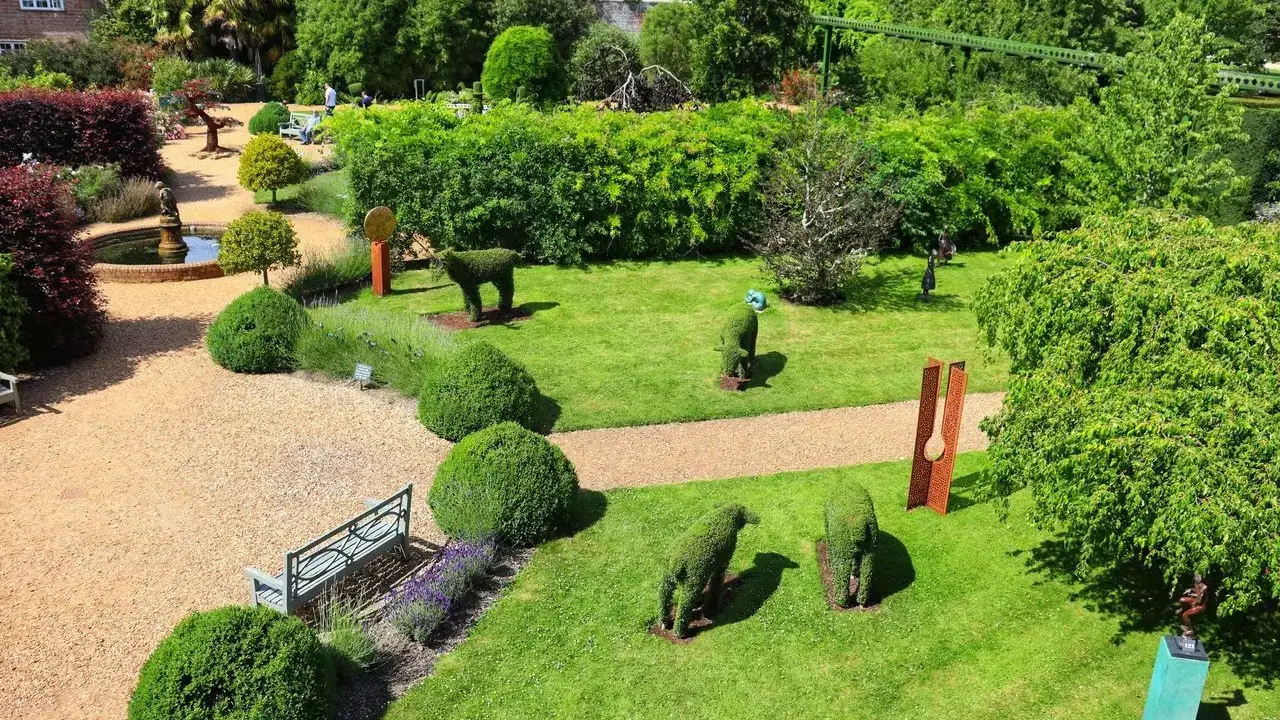

Many suburban yards function mainly as open lawns with scattered plantings. Yet a growing number of homeowners are exploring how deliberate choices in layout and planting can shift these spaces into environments that feel separate from everyday surroundings. The shift relies less on dramatic additions and more on layered decisions that engage sight, sound, and movement over time.
What Immersion Means in a Garden Setting
Immersion in this context refers to the sense that a visitor has stepped into a distinct world rather than simply stepping outside. It arises when paths, plant heights, and focal points work together to guide attention inward and slow the pace of movement. Experts in landscape design often note that the effect builds gradually rather than appearing all at once.
The result is a space that rewards repeated visits because each season or time of day reveals new details. Homeowners who achieve this quality frequently report using the garden for longer periods and in more varied ways than they had before the changes.
Layering Plants and Structures for Depth
Successful designs typically begin with a clear distinction between open areas and more enclosed zones. Tall shrubs or small trees placed toward the edges can create a sense of enclosure without blocking all light. Lower plantings closer to seating areas then add texture and color at eye level.
Paths that curve rather than run straight encourage slower exploration and prevent the eye from taking in the entire space at once. When combined with changes in ground level or simple screens made from fencing or hedging, these elements help the garden feel larger and more private than its actual dimensions suggest.
Engaging Multiple Senses Through Careful Selection
Sight remains the most obvious sense, yet sound and scent play equally important roles in creating lasting impressions. The rustle of ornamental grasses or the trickle of a small water feature can mask distant traffic noise. Fragrant flowers positioned near walkways or benches extend the experience beyond visual appeal.
Designers often recommend repeating certain plant forms or colors to create rhythm, while introducing contrasting textures to maintain interest. These choices are adjusted according to local climate and maintenance capacity so the garden continues to perform well year after year.
Practical Steps for Homeowners Considering Changes
Before any planting begins, many professionals advise spending time in the existing space at different hours to observe light patterns and prevailing winds. Simple sketches or notes about current problem areas, such as exposed seating or abrupt transitions, help prioritize where new layers should be added. Budget and timeline considerations usually favor starting with structural elements like paths or boundary plantings before moving to finer details.
This sequence allows the overall framework to settle while smaller adjustments are tested against actual use. The most effective immersive gardens evolve rather than arrive fully formed. Homeowners who treat the process as ongoing refinement tend to create spaces that continue to feel fresh and restorative long after the initial work is complete.
AI Disclaimer: This article was created with the assistance of AI tools and reviewed by a human editor.