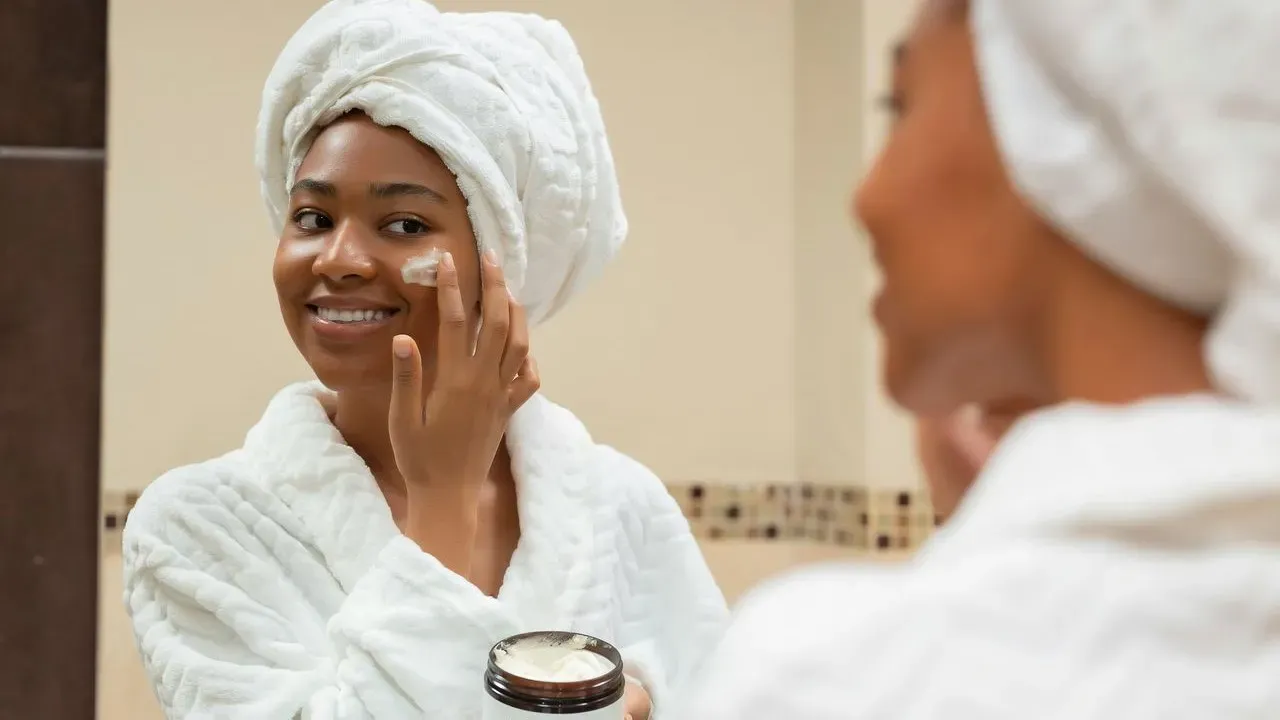

Many people who spend long hours outdoors notice the effects of years of sun exposure as they reach their late thirties and early forties. Cumulative damage becomes more visible when skin’s natural repair processes slow down. Celebrity dermatologist Dr. Sheila Farhang, a board-certified expert and founder of Avant Dermatology, sees this pattern often in patients seeking help at the end of summer. ([1])
Recognizing the Signs of Accumulated Exposure
Sun damage rarely appears overnight. Instead, it builds gradually through repeated exposure, and the visible changes become harder to ignore with age. Common indicators include uneven tone, brown spots, persistent redness, fine lines, enlarged pores, rough texture, and loss of firmness. Hormonal shifts in the forties can intensify certain effects, such as melasma, which further stresses already depleted collagen and elastin stores.
Any tan, even a mild one, signals cellular injury. Over time these changes compound because skin cell turnover naturally declines. The result is skin that looks older than its chronological age, especially for those whose work or hobbies keep them outside for extended periods.
Prevention That Still Matters at Any Age
Dr. Farhang stresses that consistent protection remains the foundation of skin health. Modern sunscreens offer better textures and easier reapplication options, including sticks and mists that fit into busy routines. Reapplying every two hours during outdoor time makes a measurable difference in limiting further harm.
Post-exposure care has also advanced. Formulas containing glycerin, hyaluronic acid, vitamin E, ceramides, peptides, and niacinamide help restore the skin barrier and calm inflammation after time in the sun. These steps support recovery while allowing continued enjoyment of outdoor activities.
Ingredients That Support Real Repair
Once protection is in place, targeted ingredients can accelerate improvement. Retinoids stand out for their proven ability to increase cell turnover and stimulate collagen production. Over-the-counter versions provide a starting point, while prescription strengths offer customized results under professional guidance.
Vitamin C acts as a potent antioxidant that neutralizes free radicals and complements daily sunscreen use. Pairing it with niacinamide or ferulic acid often enhances stability and brightening effects. Topical peptides represent another evidence-backed option, helping boost hydration and reinforce the skin’s structural support.
Professional Treatments Worth Considering
In-office procedures can address visible concerns more directly. Options such as microneedling, CO2 lasers, Morpheus8, Ultherapy, and IPL target texture, pigmentation, and laxity with varying levels of downtime. Dr. Farhang notes that microneedling remains particularly underrated for collagen stimulation with minimal recovery.
Consistency with gentler, ongoing treatments often yields better long-term outcomes than waiting for dramatic intervention later. Patients achieve stronger results by combining daily skincare with periodic professional care rather than relying on any single approach. The key message remains straightforward: meaningful reversal is still possible well into the forties when the right steps are taken steadily.
AI Disclaimer: This article was created with the assistance of AI tools and reviewed by a human editor.