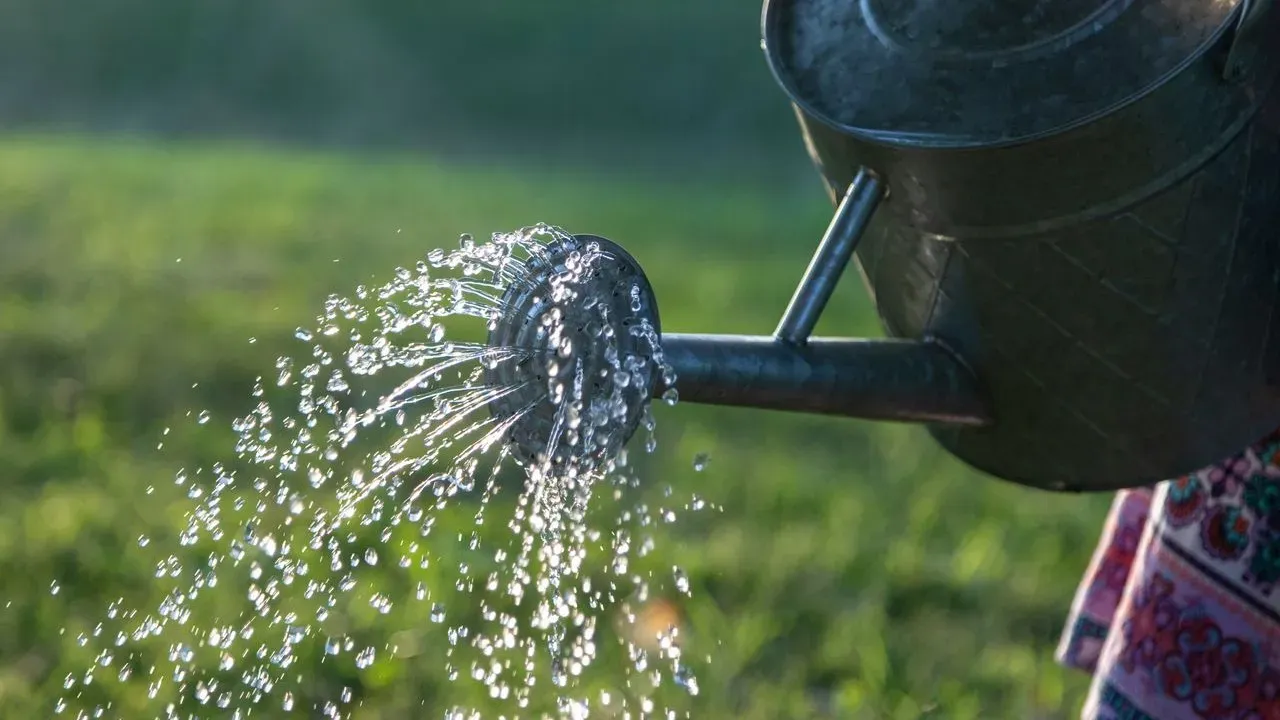

Denver faces another test of its water supply this fall. Record heat and critically low streamflows have pushed the Denver Board of Water Commissioners to consider a ban on lawn watering after September 30. The move would mark a sharp shift for residents accustomed to maintaining green lawns well into autumn.
Record Conditions Drive the Decision
This year has already set benchmarks for heat across the region. Streamflows feeding the city’s reservoirs sit at historic lows, leaving little margin for typical outdoor use. Officials have watched conditions worsen through the summer and now see the need for earlier action than in past dry spells. The board’s upcoming vote reflects those pressures directly. A ban would apply citywide and target the period when many homeowners continue routine irrigation. Without intervention, continued watering could further strain supplies already stretched thin.
What the Ban Would Mean for Homeowners
Residents would face a clear cutoff. Lawns could no longer receive municipal water after the end of September under the proposed rule. The restriction would remain in place through the cooler months when evaporation rates drop but demand for outdoor use often lingers. Many households would need to adjust routines quickly. Those who rely on automatic sprinklers would have to reprogram or disable systems. Manual watering would also stop, shifting focus to drought-tolerant plantings or letting grass go dormant naturally. The change would affect both single-family homes and larger properties with extensive turf. Property managers and HOAs would need to communicate the new limits to residents and contractors alike.
Practical Steps Residents Can Take Now
Preparation can ease the transition. Homeowners might begin reducing irrigation gradually in the coming weeks to avoid a sudden stop. Checking soil moisture and prioritizing deep, infrequent watering before the cutoff can help lawns enter dormancy in better condition. Switching to native or low-water plants offers longer-term relief. Mulching garden beds and improving soil health also reduce overall demand. Some residents explore rainwater collection where local rules allow, though that option requires advance planning. Communities facing similar shortages elsewhere have shown that early adaptation limits damage. Denver’s situation serves as a reminder that water rules can tighten with little notice when drought persists.
Looking Ahead for the Region
The board’s consideration comes amid wider concerns about supply reliability. Other Front Range utilities have tightened rules in recent years, and Denver’s step could signal further measures if conditions do not improve. Officials will weigh public input and updated forecasts before finalizing any policy. For now, the focus remains on the immediate timeline. A decision expected soon will determine whether October marks the start of a new normal for lawn care in the city. Homeowners who act early stand to protect both their landscapes and the shared resource that sustains them.
AI Disclaimer: This article was created with the assistance of AI tools and reviewed by a human editor.