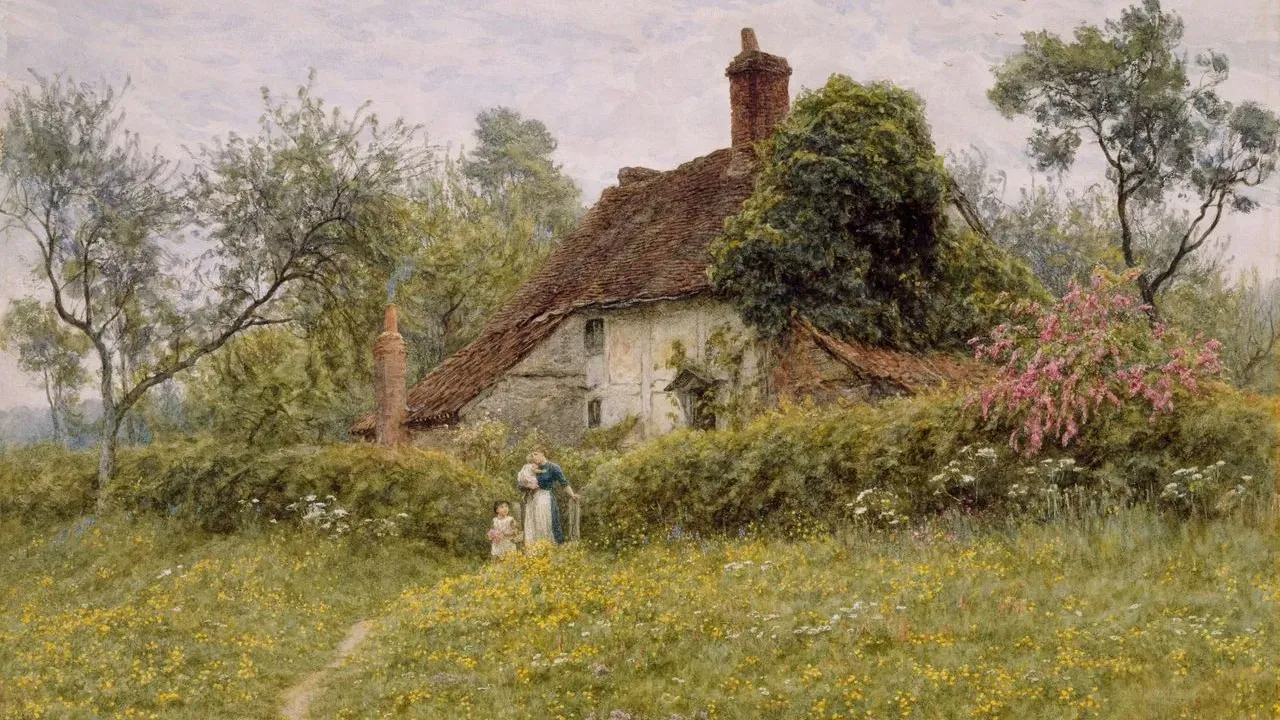

During the spring of 2020, when daily routines came to a sudden halt for many, Denise found herself with time she had not expected. She directed that time toward an outdoor area she had long set aside. The decision marked the start of a sustained effort that reshaped the space into a cottage garden filled with containers, reused materials, and features that support local wildlife.
The Lockdown Spark
The early weeks of restrictions left many households adjusting to new patterns at home. For Denise, known to followers as @my_little_plot, the change created an opening to address an area that had received little attention before. What started as a practical response to extra hours indoors soon became a consistent project that occupied her days and changed the character of her property. The work progressed gradually, with attention paid to both structure and planting choices. Over the following months the garden took on a distinct personality that reflected available resources and personal preferences. The timeline shows a clear progression from initial clearing to a more layered and intentional layout.
Developing a Cottage Garden with Reused Materials
The finished space follows a cottage garden approach that favors variety and informality over strict order. Containers play a central role, allowing flexible placement and easy adjustment as plants grow. Many of these containers came from materials already on hand or collected for reuse, which kept costs low and added visual interest through unexpected shapes and textures. Upcycled items appear throughout the beds and borders. Old household objects and garden remnants found new purposes as planters, supports, or decorative accents. This approach reduced waste while giving the garden a personal and slightly unconventional appearance that distinguishes it from more uniform designs. The combination of reused elements and traditional cottage planting creates layers of color and texture that change with the seasons. The result feels lived-in rather than newly installed, which aligns with the gradual pace of the original work.
Supporting Wildlife Through Design Choices
Wildlife considerations shaped several decisions during the project. Plant selections include varieties that provide food and shelter for insects and birds. Water sources and undisturbed corners were added to encourage regular visitors without requiring intensive maintenance. The presence of wildlife has become one of the most noticeable outcomes. Birds, pollinators, and small mammals now use the space regularly, turning the garden into a small but active habitat within a residential setting. These elements were integrated without sacrificing the overall cottage aesthetic.
Practical Outcomes and Lasting Changes
The garden continues to evolve, with new plantings and adjustments made each season. What began as a response to limited options has become a steady source of activity and observation. The project demonstrates how a modest outdoor area can be adapted over time with attention to reuse and ecological balance. Denise has shared the progress online, allowing others to follow the development of the space. The account shows both successes and the everyday realities of maintaining a garden built on reused materials and wildlife-friendly practices. The transformation remains visible in the current layout, where creative containers, upcycled details, and natural activity coexist in a compact cottage setting.
AI Disclaimer: This article was created with the assistance of AI tools and reviewed by a human editor.