

Root rot is one of those problems that creeps in quietly, long before you notice anything is wrong above the soil. By the time a plant looks sick on the outside, the damage below ground may already be substantial. Understanding what this disease actually is, where it comes from, and how to respond correctly can mean the difference between rescuing a beloved plant and losing it entirely.
Whether you grow houseplants on a windowsill or manage a garden bed outdoors, root rot is a genuine threat that researchers, pathologists, and home gardeners continue to grapple with in 2026. The science behind it is better understood than ever, and the practical steps to address it are clearer than most people realize.
What Root Rot Actually Is
Root rot is a general term for soil-borne diseases that cause the necrosis and decay of underground plant parts. It isn’t a single disease with a single cause. It is a general name for root decline caused by a mix of poor root-zone conditions and biological decay, and it can involve oomycetes, fungi, bacteria, or simple root death after long periods of oxygen shortage.
It has a wide host range and occurs in various types of plants, including crops, horticultural crops, and medicinal plants. That universality is part of what makes it so persistent. No plant family is entirely immune, though some species tolerate waterlogged conditions far better than others.
The Pathogens Behind the Problem
Most garden and houseplant root rot problems are caused by water molds, which are fungus-like organisms such as Phytophthora and Pythium, as well as a few true fungi, including Rhizoctonia and Fusarium. These aren’t rare laboratory specimens. These organisms thrive in damp conditions and can survive in the soil for many years.
The pathogens of root rot are complex and diverse, and Fusarium fungi have been reported as the most widespread pathogen. In terms of scale, Fusarium root rot is estimated to have caused a total yield loss of nearly 172 million bushels in the United States and Ontario, Canada, from 1996 to 2024, and at least 10 Fusarium species are associated with this disease.
In 2024, Phytophthora root rot was the most prevalent disease diagnosed at the UC Davis disease diagnostics clinic, with infected hosts including wax flower, gardenia, banksia, orchid rock rose, lavender, and boxwood, among other plants. The reach of these pathogens is genuinely broad.
How Widespread Is Root Rot?
The incidence of root rot disease is alarmingly high, typically falling between roughly a third and half of susceptible plants. In some extreme cases the rate can exceed seventy percent, and there is a troubling trend of increasing severity each year. These numbers come from a 2025 peer-reviewed review published in Frontiers in Plant Science.
Field experiments conducted in 2023 and 2024 have demonstrated between sixty and nearly eighty percent yield loss in lentil, and between forty and sixty percent yield loss in faba bean, when grown under high inoculum conditions. The agricultural consequences extend far beyond the garden.
Despite the substantial cost, soil-borne diseases like root rot are often undiagnosed or misdiagnosed, and not often actively managed. That gap between the scale of the problem and the awareness of it is one of the most persistent challenges in plant health.
The Real Cause: Oxygen Starvation and Waterlogged Soil
Root rot is a disease in which wet conditions in the plant’s soil present the opportunity for harmful fungi to thrive. Roots need air to function efficiently, and the roots rot because they’ve been deprived of oxygen from extended submersion in water. The mechanism is straightforward, even if the consequences are severe.
While overwatering creates the conditions for root rot, the actual rot is caused by harmful pathogens that live in the soil. These fungi exist naturally in most soils but usually remain dormant. When the soil is too wet for too long, oxygen is pushed out, and the lack of airflow creates a perfect environment for these pathogens to thrive and attack the roots.
Poorly drained or overwatered soils constitute the leading cause of root diseases across North America. Poor drainage prevents roots from accessing essential oxygen, creating an anaerobic environment where healthy root tissue begins to decay. Soil type matters too. Heavy clay soils and areas with compacted soil conditions restrict proper drainage and air circulation.
Early Warning Signs Above the Soil
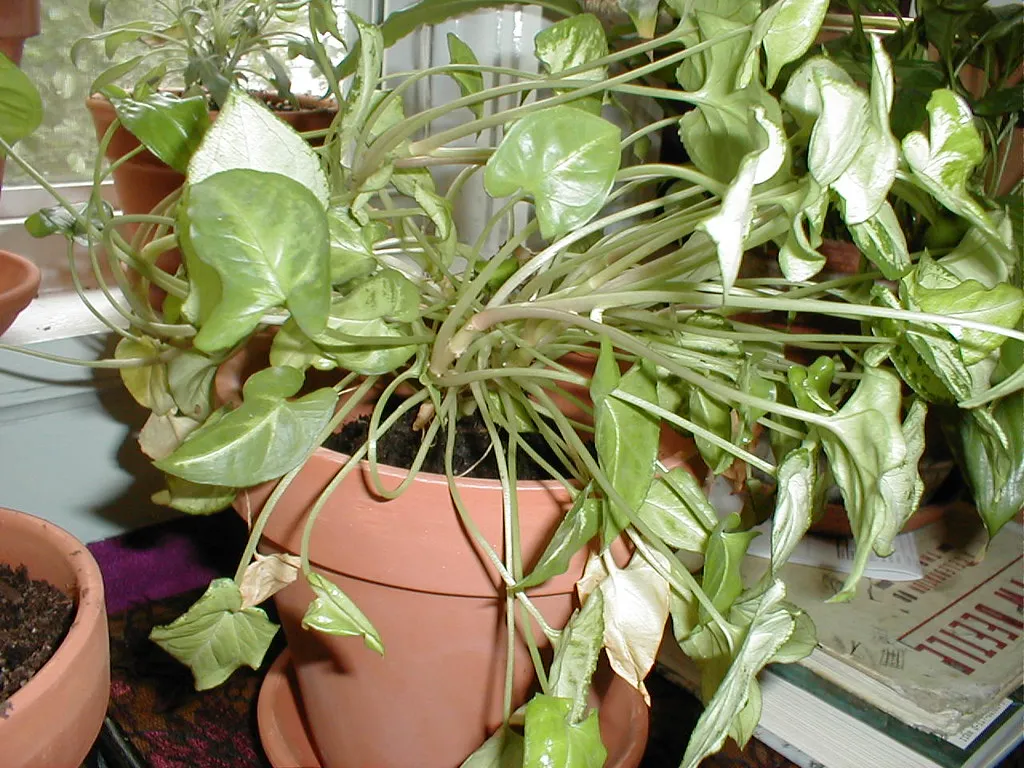
Gardeners often become aware of root rot when they note that a plant is wilted, even though the soil is wet. Plants with root rot are also often stunted, and may have leaves with a yellow or red color, symptoms that suggest a nutrient deficiency. This is one of the more confusing aspects of the disease.
When plants sit in waterlogged soil for too long, their roots suffocate, unable to absorb vital nutrients. This leads to a cascade of symptoms, including wilting, yellowing leaves, and a general appearance of thirstiness. Many people misinterpret these signs as a need for more water, and end up watering even more. This is how one mistake compounds into a fatal one.
A foul or swampy odor coming from the drainage holes is a clear sign of bacterial or fungal growth. Stunted growth during the growing season, where a plant hasn’t produced a new leaf in months, can also indicate the root system is struggling to support new life.
What Rotted Roots Actually Look Like
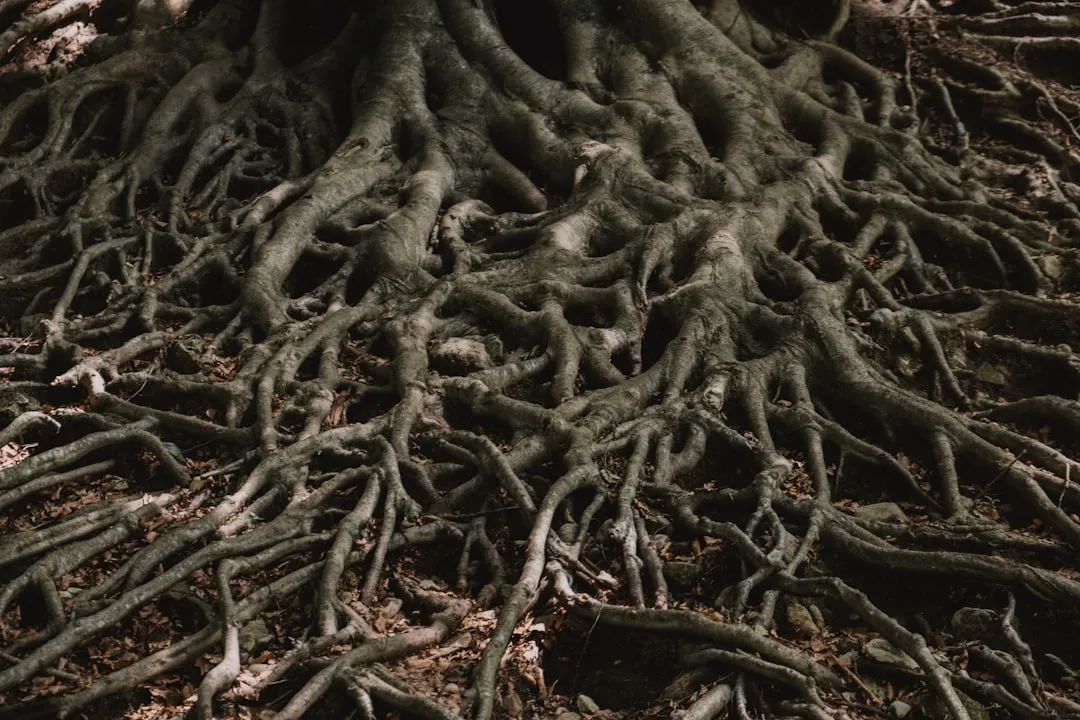
Healthy roots are firm and light-colored. Roots affected by rot turn brown or black and become soft and mushy. The visual difference is stark once you actually pull a plant out of its pot and look. These rotten roots are often the result of soil-borne pathogens like Pythium, Phytophthora, Rhizoctonia, and Fusarium, which thrive in wet soil. Instead of healthy roots that are firm and light in color, you’re left with roots that collapse when you touch them.
As the disease progresses, the plants struggle to absorb water and nutrients from the soil, ultimately resulting in stunted growth with shrinking, yellowing and wilting leaves. In the late stage of infection, the stems of the infected plant decay with yellowed and withered leaves, culminating in the demise of the entire plant.
One of the trickiest parts of diagnosing root rot is that the early signs aren’t always visible. Unlike pests such as mealybugs or scale, root rot begins out of sight, beneath the soil, making it easy to miss in its early stages.
How to Treat Root Rot Step by Step
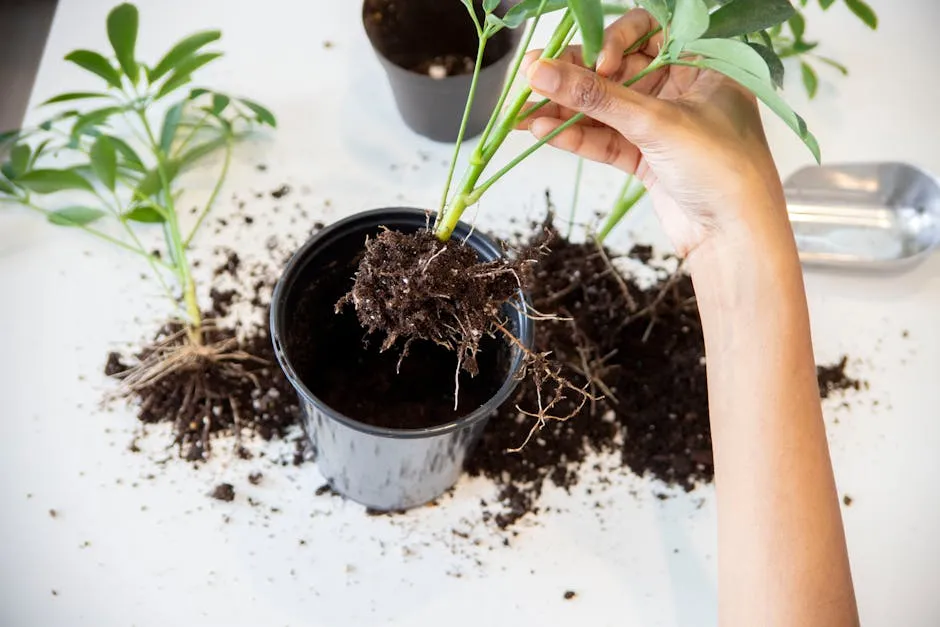
The key to recovery is recognizing the signs early and addressing the root cause: pathogens in waterlogged soil. Once you’ve confirmed root rot, the steps are practical and achievable. A favorite houseplant with root rot can sometimes be saved if you act quickly. Remove the plant from its pot, taking care not to spill contaminated soil onto other plants. Set the pot aside to be washed and sanitized later. Gently shake, brush, or rinse all potting soil from the roots.
Using clean, sharp pruners, remove any roots that are dark, mushy, or broken, leaving only firm, white roots. Repot the plant in a clean, sanitized container with fresh potting soil and excellent drainage. The old soil should always be discarded. Even if you’re not certain that the root rot is the result of a fungal infection, you should dispose of the potting soil. If there’s a chance that the soil contains spores, it’s not worth the risk of keeping it.
Clean both your equipment and the plant’s container with rubbing alcohol or a solution of nine parts water to one part bleach, which will prevent the spread of fungal spores. This step is easy to overlook but genuinely important for preventing reinfection.
Watering After Treatment: The Recovery Phase
After repotting, avoid watering immediately. Let the plant sit in its new pot for a few days so the roots can settle and recover. When you begin watering again, do so sparingly. Wait until the top one to two inches of soil feel dry before watering. Overwatering at this stage can quickly restart the problem.
While your plant recovers, place it in a bright location with indirect light. Avoid direct sunlight, which can stress the plant further. Proper lighting encourages healthy new growth and supports recovery.
If the base is soft but upper stems or nodes are firm, propagation may be safer than saving the original root system. That’s a useful fallback when the root damage is too advanced to reverse.
Prevention: The Habits That Actually Work
Root rot is almost always preventable. One of the easiest ways to avoid it is to be cautious about how much and how you water. Avoid overwatering by testing the soil with your finger or a moisture meter before you water. Don’t rely on a watering schedule, since every species is different and will take up moisture differently depending on temperature, any breezes in your space, or the relative humidity in your home.
Make sure every container you use has drainage holes. You can place a container with drainage inside a decorative pot, but be sure to empty it out thirty minutes after watering. That small discipline eliminates one of the most common root rot triggers.
Use a pot with drainage holes, but do not put rocks or gravel at the bottom of the pot, as their presence can actually inhibit drainage. Use a pasteurized commercial potting mix, not soil from your garden, since garden soils often contain root rot fungi.
Root Rot in Trees and Outdoor Plants
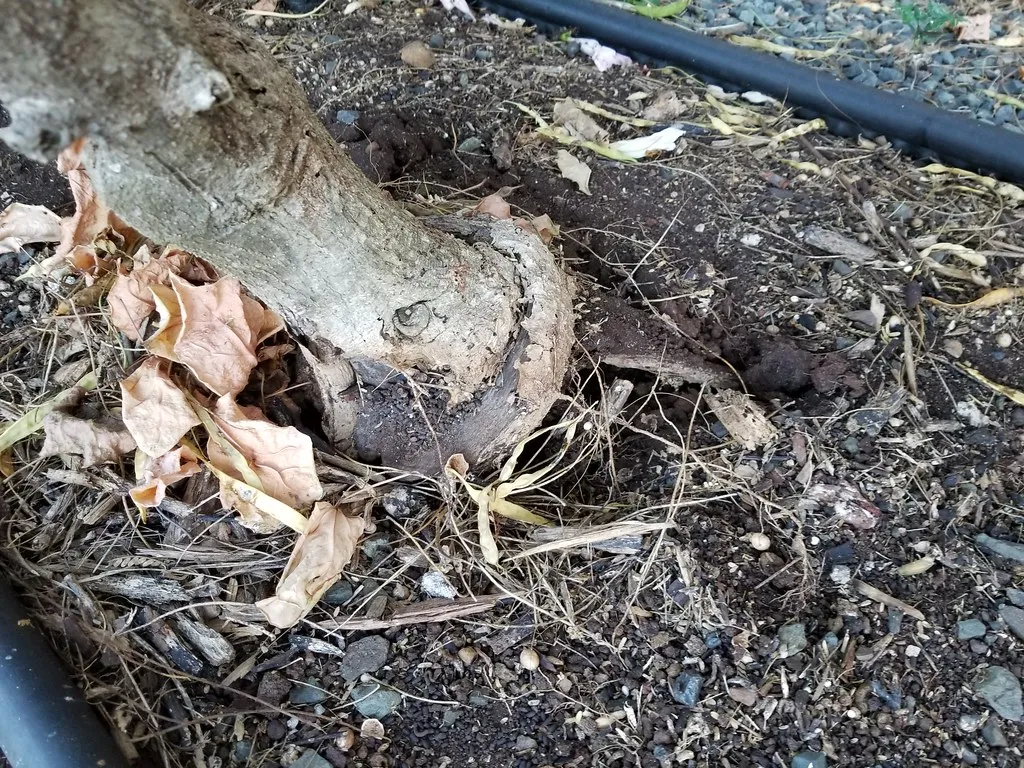
While many people have both heard of and dealt with root rot in houseplants, most are not aware that this disease can also have an adverse effect on garden plants outdoors, including shrubs and trees. The stakes in these cases can be considerably higher. Research published in 2025 found that three-quarters of root rot-infected Norway spruce trees were also infested by bark beetles, and that root rot increases the vulnerability of Norway spruce trees to these attacks.
Stress factors including drought, insect damage, or previous disease issues weaken trees’ natural defenses against fungal invasion. Successful treatment of rotting tree roots depends heavily on early detection and prompt action. Improving soil drainage represents the most critical first step, as eliminating waterlogged conditions prevents further fungal development.
When trees reach advanced stages of decline from root rot, removal becomes the safest and most practical option. Severely compromised trees pose significant safety hazards due to their unpredictable structural integrity. Preventive thinking, not reactive treatment, is the real strategy with established trees.
Conclusion
Root rot is not as mysterious as it seems once you understand the conditions that invite it in. Waterlogged soil, poor drainage, and a lack of oxygen underground create the perfect environment for pathogens that are already present in most growing media. The research from 2024 and 2025 confirms that this disease causes staggering losses across agriculture, horticulture, and domestic gardens alike.
The practical takeaway is consistent across all the evidence: the sooner you notice the problem, the more options you have. The goal is to encourage healthy new growth while making conditions unfavorable for root-rot organisms. Most of that work happens long before any symptoms appear, through the simple daily discipline of checking soil moisture, choosing the right pots, and resisting the urge to water on a schedule rather than on need.
Healthy roots don’t demand much attention. They just need air, drainage, and a gardener who knows when to hold back.
AI Disclaimer: This article was created with the assistance of AI tools and reviewed by a human editor.