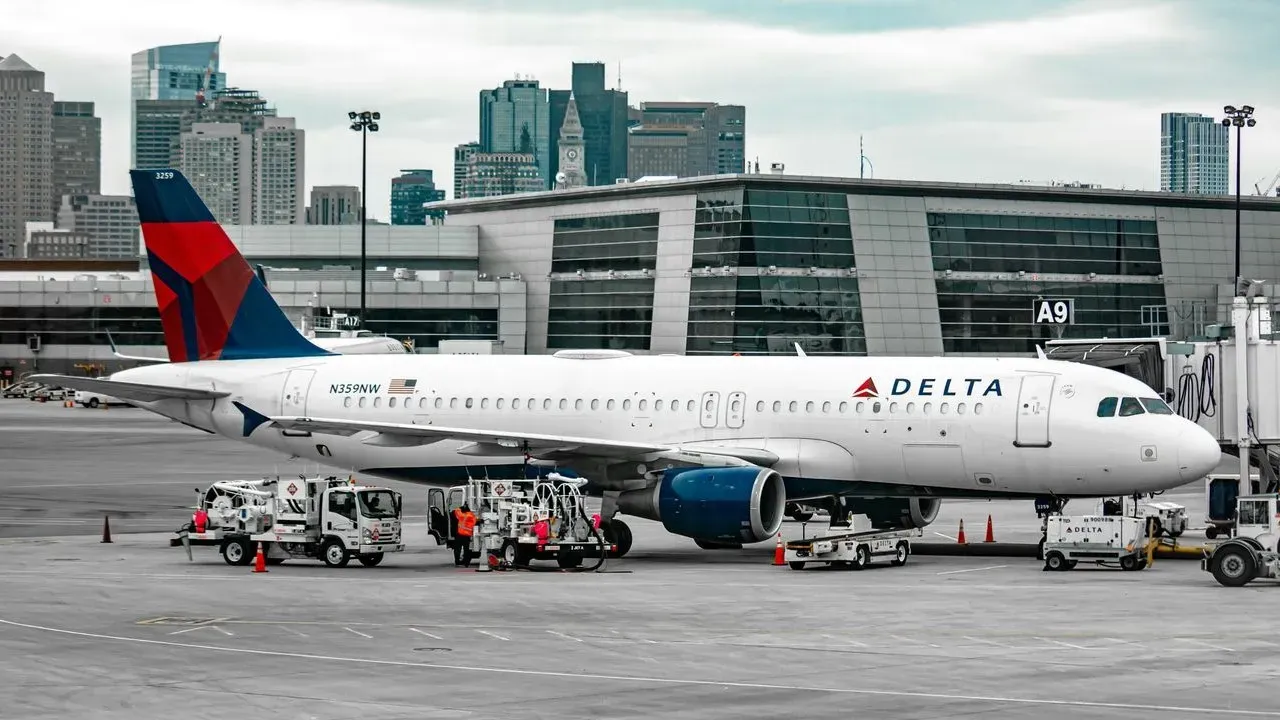

Travelers heading into the Thanksgiving rush found their flights held on the ground Sunday, as a problem in Delta Air Lines’ automated systems slowed departures at the airline’s largest hub. The disruption reached well beyond Atlanta, and it arrived just days before millions of Americans began their holiday trips. The airline first described the problem in a statement that was reported by the ([1])Associated Press.
A system most passengers never see
The tool at the center of the problem handles a task that rarely reaches the public eye. Before a jet pushes back from the gate, its weight and balance must be calculated so the aircraft can be loaded safely and flown within limits set by regulators. Aviation reporting describes the system as one that tracks bag and cargo loading in real time to support those calculations before departure.
When that software stopped working, crews had to work out each aircraft’s load by hand. Delta said its teams were using manual workarounds to keep flights moving while technicians worked to bring the automation back online. The airline’s public statements did not name the specific software involved or explain what caused the failure.
Atlanta absorbed the first wave
Because Atlanta is Delta’s main hub, the slowdown was felt most sharply there. Flight-tracking data reported by local broadcasters counted 364 delays at Hartsfield-Jackson Atlanta International Airport on Sunday morning, with roughly 200 inbound flights and 164 departures affected. Early in the day, FlightAware reported that 48 percent of Delta’s flights nationwide were delayed.
The manual process created a secondary bottleneck. Aircraft took longer to leave their gates, and that limited the space available for planes arriving in Atlanta. Atlanta News First reported that the slower departures compounded the delays, which helps explain why the problem spread beyond the airline’s own schedule.
The Federal Aviation Administration moved quickly to clarify its role. A ground stop for Delta flights bound for Atlanta was later converted into a ground delay program, and the agency said on X that the airline was working to fix the problem. The FAA also said the delays were not related to its air traffic control systems.
A rough week for airline technology
Sunday’s disruption came after a difficult stretch for air travel. Earlier this month, a malfunction in the FAA’s network led to the longest nationwide ground stop in 25 years, and carriers spent hours recovering from canceled and delayed flights. Days later, United Airlines experienced its own system outage that forced it to delay departures.
Those episodes have put renewed attention on how dependent modern airlines are on digital tools that most passengers never think about. A delay that begins with a single calculation can ripple across a network, especially on a busy travel weekend.
What travelers should keep in mind
For passengers with Thanksgiving plans, the practical steps are straightforward. Reporting on Sunday’s delays pointed to a few points that matter most in the coming days:
- Check flight status in the Delta app or on the airline’s website before leaving for the airport.
- Allow extra time for connections through Atlanta, since the delays affected both arriving and departing flights.
- Watch for updates on rebooking options if a flight is delayed significantly.
Delta has not said when its automated systems will be fully restored, and the reporting available so far does not provide a timeline. For now, the outage serves as a reminder of how much of the holiday journey depends on systems that work quietly in the background, and how quickly a single failure can change plans for thousands of families.
AI Disclaimer: This article was created with the assistance of AI tools and reviewed by a human editor.