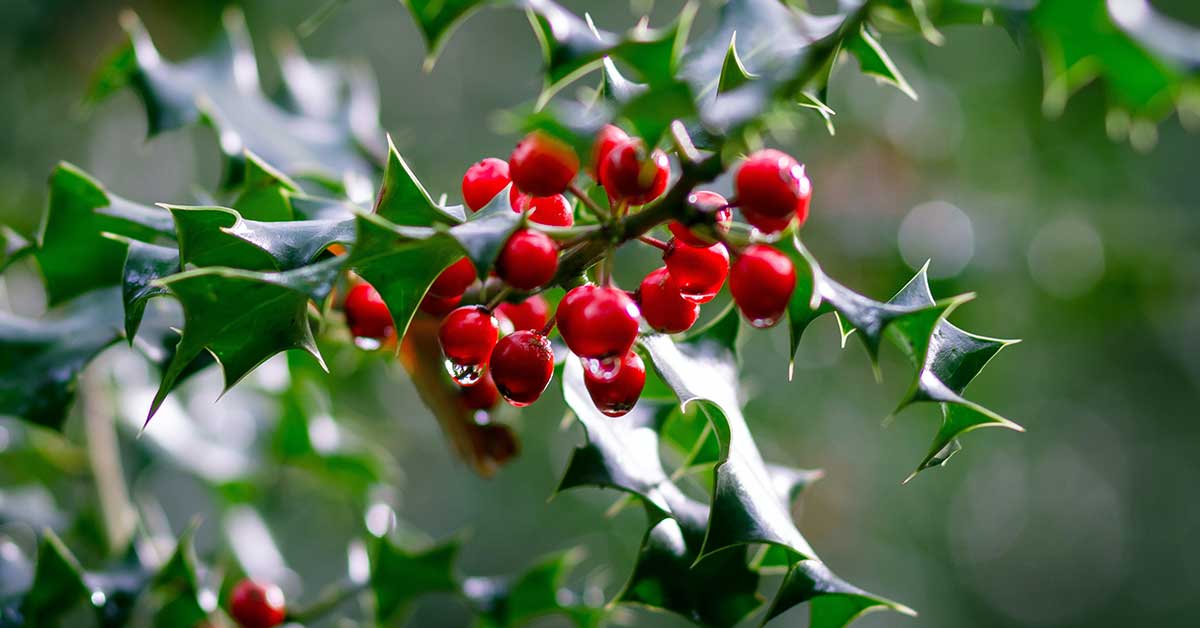

As winter’s chill wraps the world in a glistening embrace, December arrives with its twinkle of lights and joyful celebrations. In this month of wonder and reflection, two exquisite floral wonders take center stage as the birth flowers of December – the Daffodils (or Narcissus) and Holly. In this article, we embark on an enchanting journey to explore the captivating world of December birth flowers, unraveling their symbolic meanings, cultural significance, and the joy they bring to hearts across the globe.
Join us as we embrace the enchanting Narcissus and the festive Holly, celebrating the essence of December with these delightful floral companions, both cherished and revered.
What are the December birth flowers?
The December birth flowers are the Narcissus (Narcissus spp.) and the Holly (Ilex spp.).
- Daffodils: Narcissus, commonly known as Daffodils, are spring-blooming flowers with trumpet-shaped blooms and a delightful fragrance. They come in various colors, including yellow, white, and orange. Narcissus symbolize rebirth, new beginnings, and hope. In some cultures, they are associated with prosperity and good fortune.
- Holly: Holly is an evergreen shrub or small tree with glossy green leaves and red berries. It is often used for festive decorations during the holiday season. Holly symbolizes protection, goodwill, and eternal life. It is seen as a representation of hope and joy during the winter months.
Both the Narcissus and the Holly add a touch of beauty and significance to the December-born individuals, making them cherished birth flowers for this festive and celebratory month.
How to grow your December birth flowers in your garden
Growing your December birth flowers, the Daffodils and the Holly, in your garden can fill your outdoor space with enchanting beauty and festive charm. Sadly, there’s pretty much nowhere on Earth that daffodils will be blooming in December, save for a few extreme climates, but holly is well known for keeping its green color well into winter. Here are some tips on how to grow each of them:
Daffodils (Narcissus):
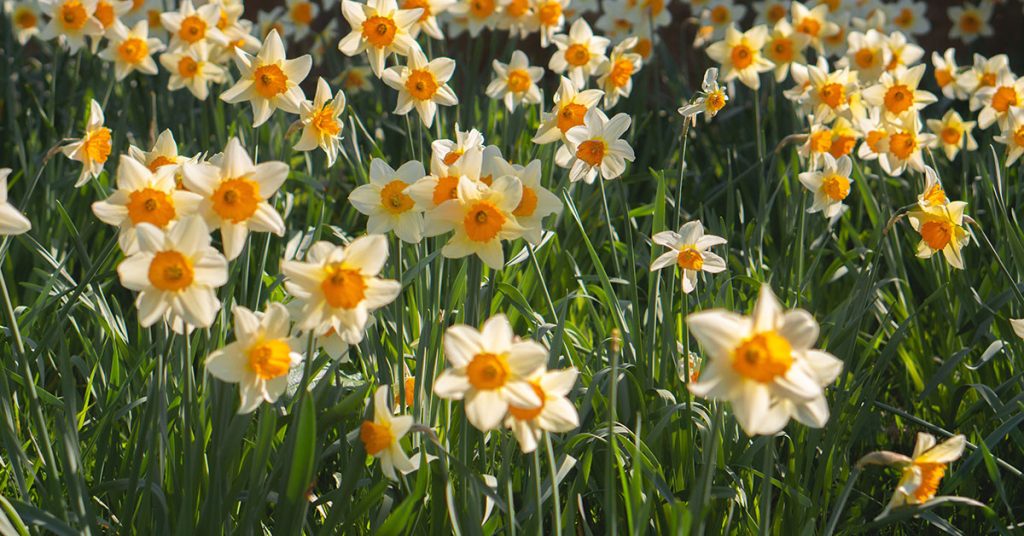
- Planting Time: Daffodil bulbs are typically planted in the fall, about 2-4 weeks before the first hard frost. This gives them time to establish their roots before winter.
- Soil: Daffodils prefer well-draining soil with good fertility. They can tolerate a range of soil types but thrive in soil with a slightly acidic to neutral pH.
- Location: Plant Daffodils in a location that receives full sun to light shade. They prefer at least 6 hours of direct sunlight daily for best blooming.
- Planting Depth: Plant Daffodil bulbs about 6 inches deep, with the pointed end facing upwards. Space the bulbs 4 to 6 inches apart.
- Watering: Daffodils prefer moist soil but can tolerate dry periods. Water them thoroughly after planting and water sparingly during the growing season, especially if there is regular rainfall.
- Mulching: Apply a layer of organic mulch around Daffodil plants to help retain moisture, suppress weeds, and insulate the soil during winter.
- Deadheading: After Daffodils bloom, remove the faded flowers but leave the foliage intact. Allow the foliage to die back naturally, as it helps nourish the bulbs for the next year’s bloom.
- Division and Propagation: Every few years, when Daffodil clumps become overcrowded, dig up the bulbs, separate them, and replant them to rejuvenate the plants and encourage better blooming.
Holly (Ilex):
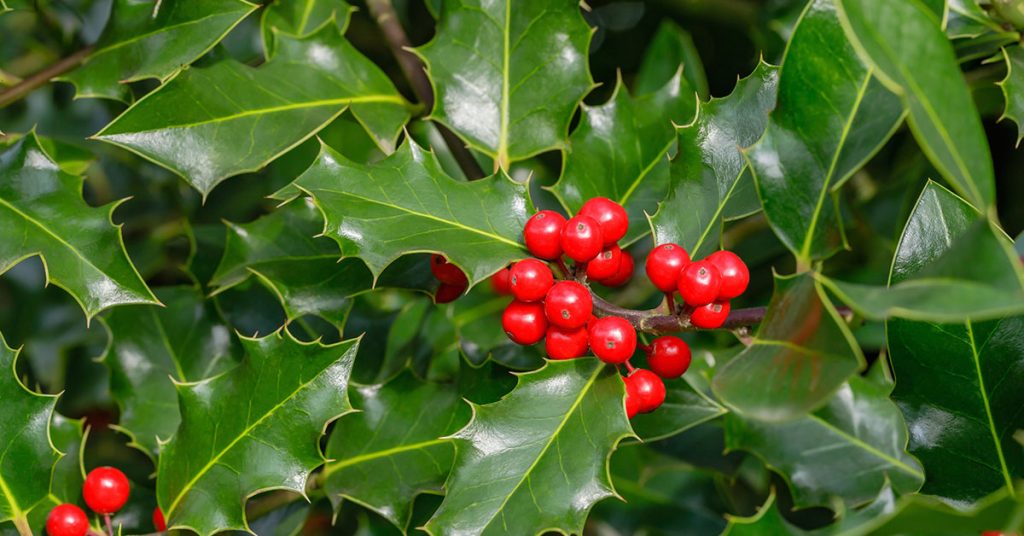
- Planting Time: Holly shrubs are best planted in the fall or early spring, allowing them time to establish their roots before winter or summer heat.
- Soil: Holly prefers well-draining soil that is slightly acidic to neutral. Amending the soil with organic matter can improve its fertility and drainage.
- Location: Plant Holly in a location with full to partial sun exposure. Some Holly varieties can tolerate shade, but they generally prefer sunlight for optimal berry production.
- Spacing: Space Holly shrubs according to their mature size, leaving enough room for them to grow and spread.
- Watering: Keep the soil consistently moist during the first year after planting. Once established, Holly is relatively drought-tolerant and may only need supplemental watering during dry spells.
- Pruning: Regular pruning can help maintain the shape and size of the Holly shrub. Prune in late winter or early spring before new growth begins.
- Berry Production: To encourage berry production on female Holly shrubs, plant a male Holly nearby for cross-pollination. Not all Holly shrubs produce berries, so consider selecting berry-producing varieties if desired.
By following these guidelines and providing the proper care and attention, you can grow Daffodils and Holly in your garden, welcoming the beauty of the December birth flowers and adding a touch of magic and festivity to your outdoor space.
Other symbolism behind your December birth flowers
Outside of the context of your birth month, these two flowers have other symbolism that you may find yourself somewhat drawn to.
Holly:
- Protection and Good Luck: Holly is often associated with protection and good luck. In ancient times, people believed that holly could ward off evil spirits and bring blessings to a household.
- Eternal Life and Immortality: Holly’s evergreen nature, with its glossy green leaves that stay vibrant throughout the winter, symbolizes eternal life and immortality. In various cultures, holly is used as a decorative element during winter festivities, representing hope and the promise of new life to come.
- Renewal and Rebirth: In pagan traditions, holly was linked to the winter solstice, the shortest day of the year, and was seen as a symbol of renewal and the return of the sun’s light.
- Balance and Unity: In some cultures, holly’s combination of sharp leaves and red berries represents the balance of opposites, such as male and female energies, life and death, and light and darkness. It is seen as a unifying force between these dualities.
- Festivity and Celebration: Holly is a prominent element in Christmas decorations, symbolizing the festive spirit and celebration of the holiday season.
Daffodils (Narcissus):
- New Beginnings and Rebirth: Daffodils are often associated with new beginnings and the arrival of spring. Their appearance after a long winter signifies the renewal of life and the promise of warmer days.
- Hope and Optimism: Daffodils’ bright and cheerful blooms symbolize hope, optimism, and positivity. They bring joy and happiness to the beholder, lifting spirits with their vibrant colors.
- Endurance and Resilience: Daffodils are among the earliest spring flowers to bloom, often enduring harsh weather conditions. Their ability to persevere through the cold reinforces their symbolism of strength and resilience.
- Love and Affection: In some cultures, daffodils are associated with romantic love and affection. They are often given as gifts to express admiration and deep affection for someone special.
- Inspiration and Creativity: Daffodils’ arrival signals the awakening of nature, inspiring poets, artists, and dreamers with their beauty and grace. They are seen as symbols of creativity and the potential for new artistic expressions.
Both holly and daffodils have deep-rooted symbolic meanings that have been embraced by various cultures and traditions throughout history. Their significance extends beyond their physical beauty, making them cherished symbols in art, literature, and celebrations worldwide.