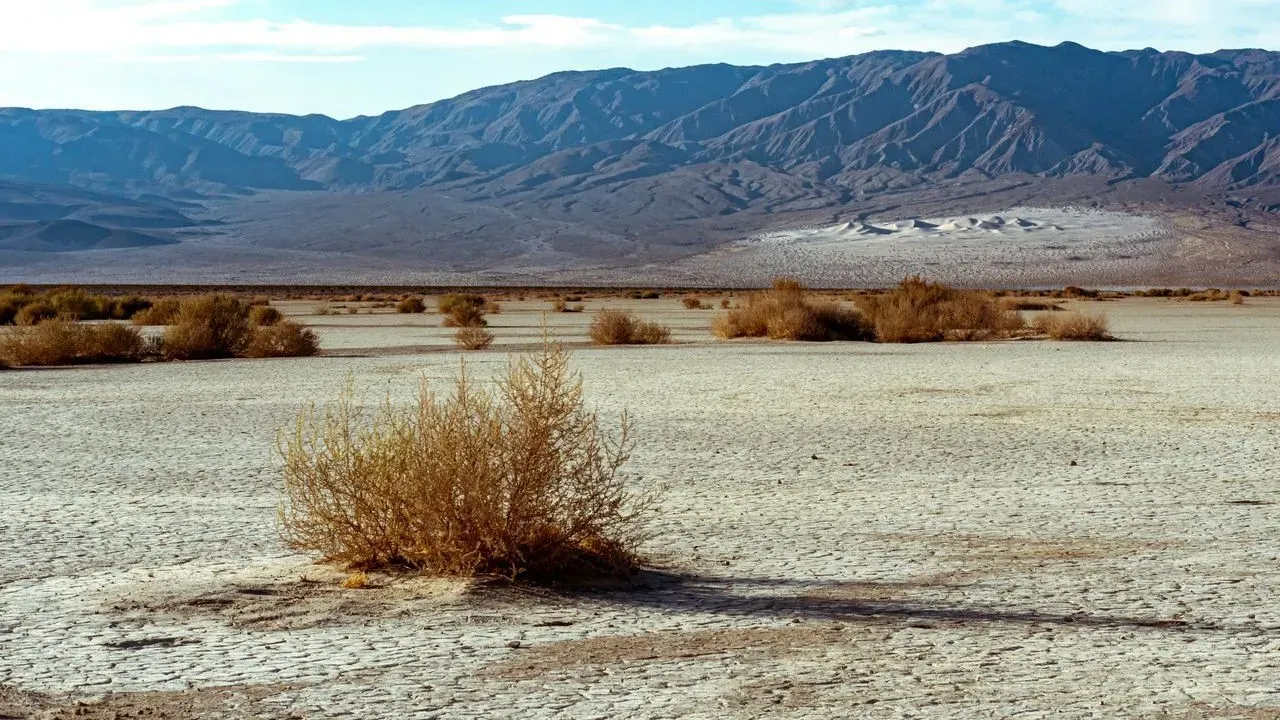

Pierre Michel Formosa, 68, was traveling with a companion through a remote section of California’s Death Valley National Park when their vehicle became stuck in mud on August 17. Temperatures that day climbed to 116 degrees, creating conditions that quickly overwhelmed the pair as they attempted to walk for help. ([1]) The incident unfolded in the park’s vast Badwater Basin area, where the two men set out on foot across salt flats after the vehicle could go no farther.
Formosa managed roughly 1.3 miles before he could not continue. His companion pressed on, eventually flagging down a passing motorist and reaching a visitor center shortly after 2 p.m. to report the emergency.
Park rangers and emergency crews responded rapidly once the alert reached authorities.
A coordinated search involving National Park Service personnel, an Inyo County deputy, and a California Highway Patrol helicopter located Formosa later that afternoon. He was pronounced dead at the scene. The Inyo County coroner will determine the official cause of death.
Officials noted that the remote terrain, combined with extreme heat and limited cellular coverage, left little margin for error. The companion’s successful effort to summon help highlighted how quickly situations can escalate when travelers venture far from main routes.
Superintendent Mike Reynolds issued a statement expressing condolences and emphasizing the park’s inherent risks.
“This is a heartbreaking reminder of how quickly conditions here can turn dangerous,” Reynolds said. “Death Valley is an extraordinary place, but its heat, distances, and remoteness can be dangerous, regardless of experience.” The park covers enormous stretches of land where assistance can take hours to arrive. Officials stress that visitors should always plan routes ahead of time, carry extra water and supplies, and monitor weather and road conditions closely before setting out.
When a vehicle becomes disabled, the recommended action is to remain with it rather than walk for help.
A stranded car offers shade, shelter from the sun, and a much larger target for search teams to spot from the air or ground. Walking exposes individuals to rapid dehydration and heat exhaustion in temperatures that can exceed 110 degrees for extended periods. Death Valley National Park continues to urge all visitors to respect these realities. The vast landscape draws millions each year, yet its beauty masks serious hazards that demand preparation and caution at every turn.
AI Disclaimer: This article was created with the assistance of AI tools and reviewed by a human editor.