

Every gardener has been there. You bring home a gorgeous plant with the best intentions, only to watch it slowly wither despite your efforts. The truth is, not all plants are forgiving, but some are practically indestructible. If you want a garden full of color, texture, and life without the stress of constant maintenance, choosing resilient, low-care plants is the way to go.
The following thirteen plants are tough enough to handle neglect, inconsistent watering, and even less-than-ideal growing conditions. Whether you are new to gardening or just want to fill your space with reliable performers, these plants will keep thriving no matter what challenges come their way.
Coneflowers

Coneflowers are the definition of hardy. These native perennials thrive in poor soil, tolerate drought, and bounce back from neglect with ease. Once established, they reward you with weeks of bright purple, pink, or white blooms that attract bees, butterflies, and songbirds.
Cut back spent blooms to encourage continuous flowering, but even if you forget, coneflowers are self-sufficient and will reseed themselves. They are excellent choices for both formal landscapes and naturalized gardens, making them one of the most reliable plants you can grow.
Black-Eyed Susans
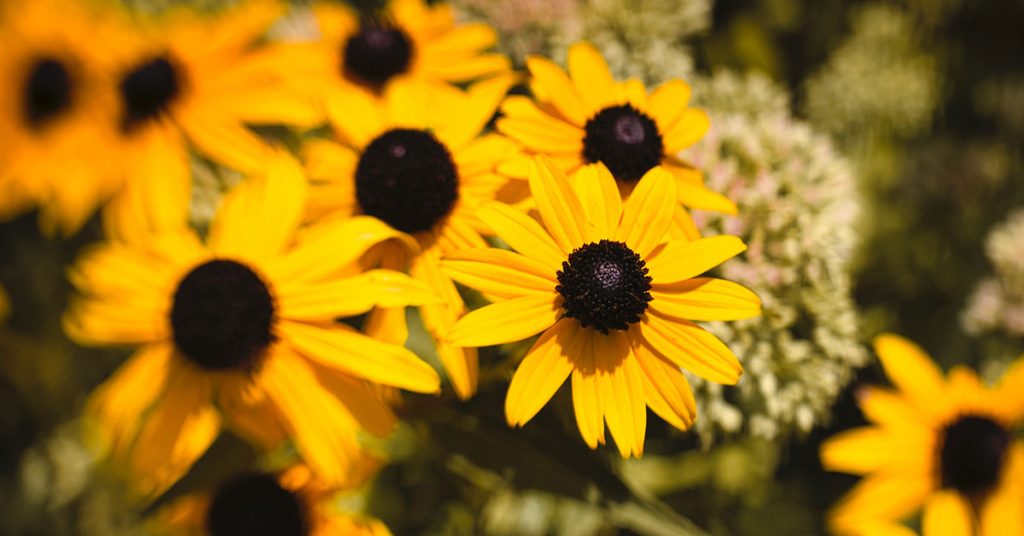
Black-eyed Susans are cheerful, golden-petaled flowers that seem almost impossible to kill. They grow well in nearly any soil, tolerate heat and drought, and bloom from midsummer to early fall with little intervention.
These resilient perennials also attract pollinators and can naturalize beautifully in open spaces. If you want a garden bed that looks full and lively without constant care, planting Black-eyed Susans is one of the easiest ways to get there.
Hostas
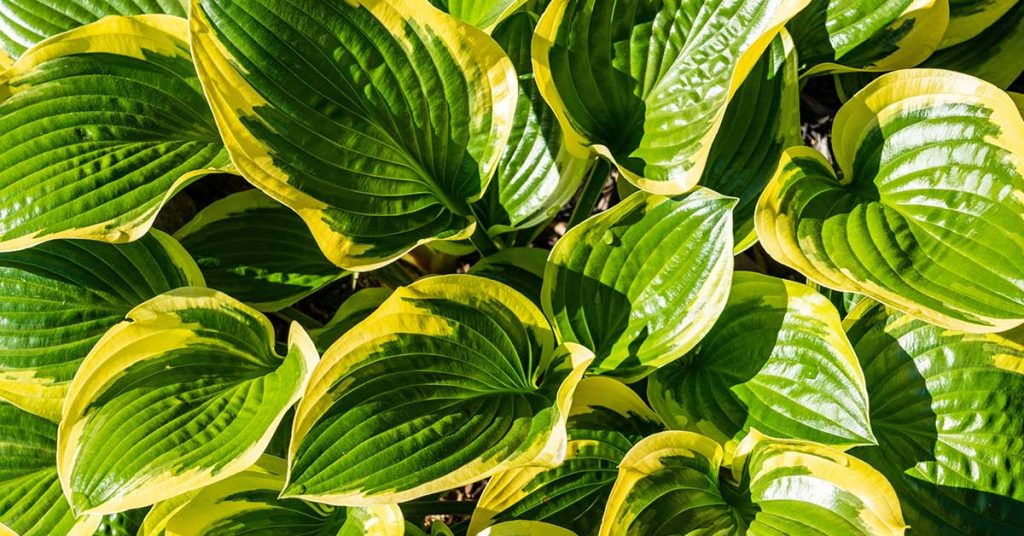
For shady gardens, hostas are unbeatable. Known for their lush, vibrant foliage, they thrive in partial to full shade and require very little maintenance once planted. Their large, textured leaves come in a wide range of colors and patterns, adding depth and variety to low-light spaces.
Hostas are remarkably resilient against most growing challenges. As long as the soil is kept consistently moist, they will flourish year after year. Pair them with ferns or astilbes for an effortless woodland garden vibe that practically takes care of itself.
Sedum (Stonecrop)
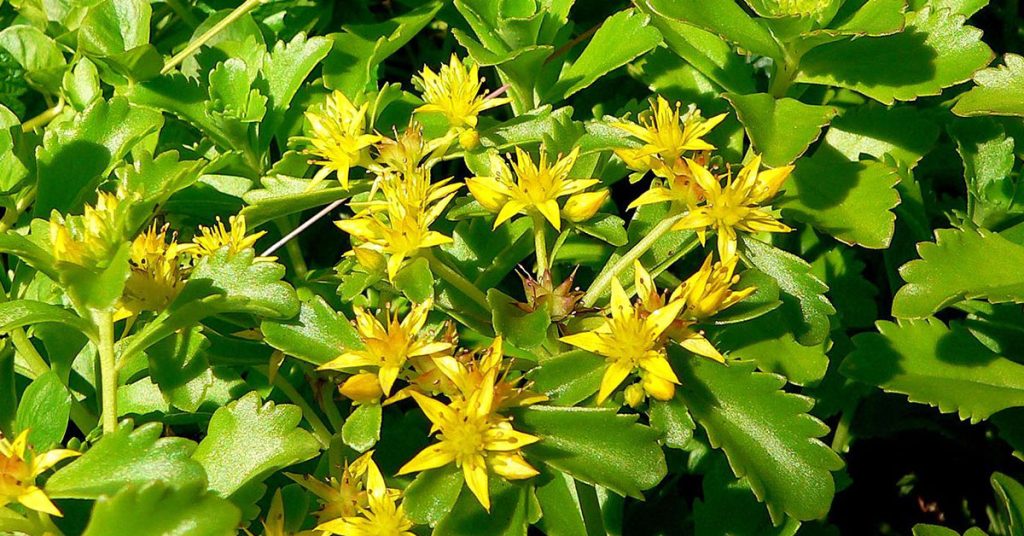
Sedum is one of the most adaptable plants you can grow, thriving in poor soil, full sun, and drought-prone conditions. Its fleshy, water-storing leaves make it naturally resistant to neglect, while its star-shaped blooms add bursts of late-season color.
Low-growing varieties create excellent ground covers, while taller cultivars like Autumn Joy bring texture and dimension to perennial borders. Once planted, sedum practically thrives on being left alone, making it a go-to option for low-maintenance landscaping.
Daylilies
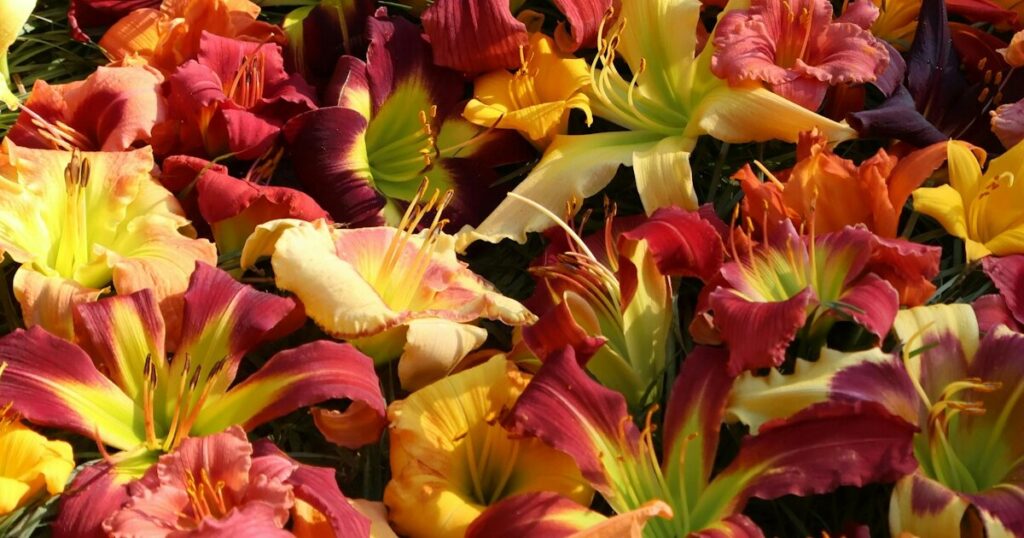
Daylilies are a gardener’s dream because they thrive in almost any environment. They handle poor soil, unpredictable watering schedules, and intense summer heat without complaint. Even if neglected for long periods, they spring back each season with elegant, trumpet-shaped flowers in a rainbow of colors.
Once established, daylilies spread steadily, creating lush clumps that fill in garden beds beautifully. They bloom reliably year after year, making them a perfect plant for gardeners who want maximum visual impact with minimal work.
Russian Sage
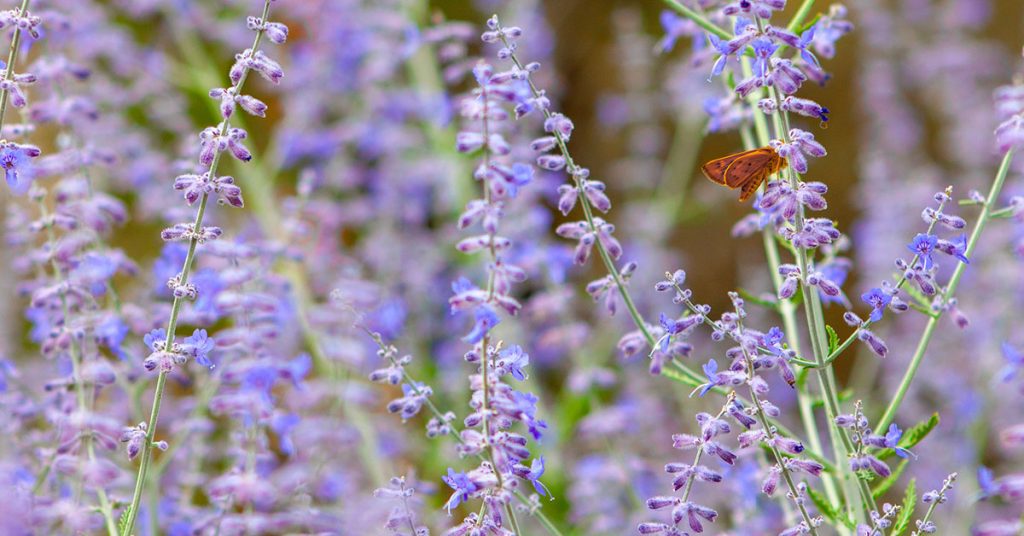
Russian sage is a true champion of hot, dry gardens. Its silvery foliage and tall spikes of lavender-blue blooms create a soft, airy effect that pairs beautifully with other sun-loving plants. It thrives in full sun and poor soil and is extremely drought-tolerant once established.
Because it is resistant to pests and diseases, Russian sage requires almost no attention throughout the season. Simply plant it in a sunny spot, water it while it settles in, and enjoy months of vibrant color and movement in the breeze.
Lavender
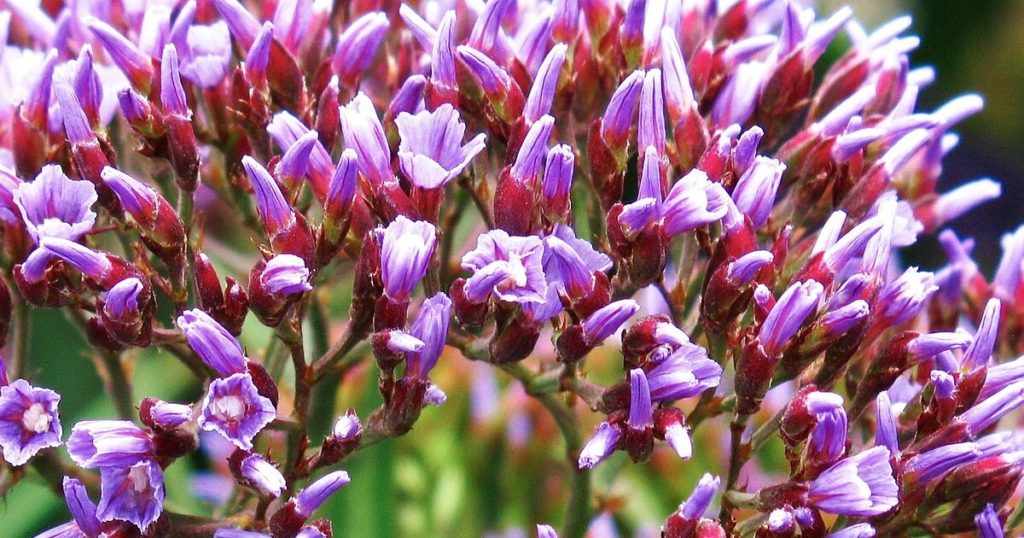
Lavender brings both beauty and fragrance to the garden, and best of all, it is incredibly resilient. Once established, lavender thrives on minimal water and poor, well-drained soil, making it perfect for gardeners who prefer a low-maintenance approach.
The aromatic purple blooms attract bees and butterflies, and the plant itself resists pests and diseases. A light pruning in late summer keeps it tidy, but beyond that, lavender is one of the easiest plants to grow if you want consistent color and scent year after year.
Yarrow
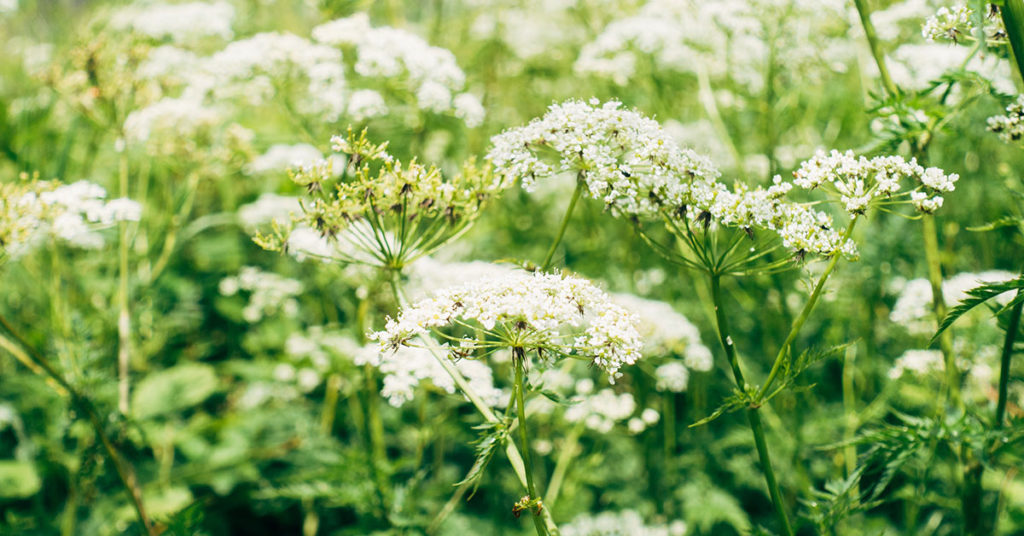
Yarrow is one of the toughest perennials you can add to your garden. It thrives in hot, dry conditions and poor soil, making it ideal for challenging spots where other plants struggle. Its clusters of flat-topped flowers come in a variety of colors, from soft whites to bold reds and yellows, adding long-lasting visual appeal.
In addition to its beauty, yarrow is a pollinator magnet and deer-resistant, making it an excellent choice for low-maintenance wildlife-friendly gardens. Even if you forget about it for weeks, it will keep thriving without complaint.
Catmint

Catmint is beloved by gardeners for its soft, gray-green foliage and long-lasting spikes of lavender-blue flowers. It blooms profusely from late spring into summer and is exceptionally forgiving when it comes to water and soil conditions.
This plant thrives in full sun but can tolerate partial shade, and once established, it rarely needs supplemental watering. Catmint also resists deer and pests, making it one of the most dependable options for creating a garden full of easy, breezy charm.
Zinnias

If you want vibrant, long-lasting color with almost no effort, zinnias are a top choice. These annuals bloom continuously from early summer until the first frost, filling gardens and containers with bright shades of pink, orange, yellow, and red.
Zinnias are heat-tolerant, drought-resistant, and practically care-free once they get started. They also make excellent cut flowers, encouraging even more blooms the more you harvest them. A few seeds in spring can keep your garden colorful until the very end of the season.
Coreopsis
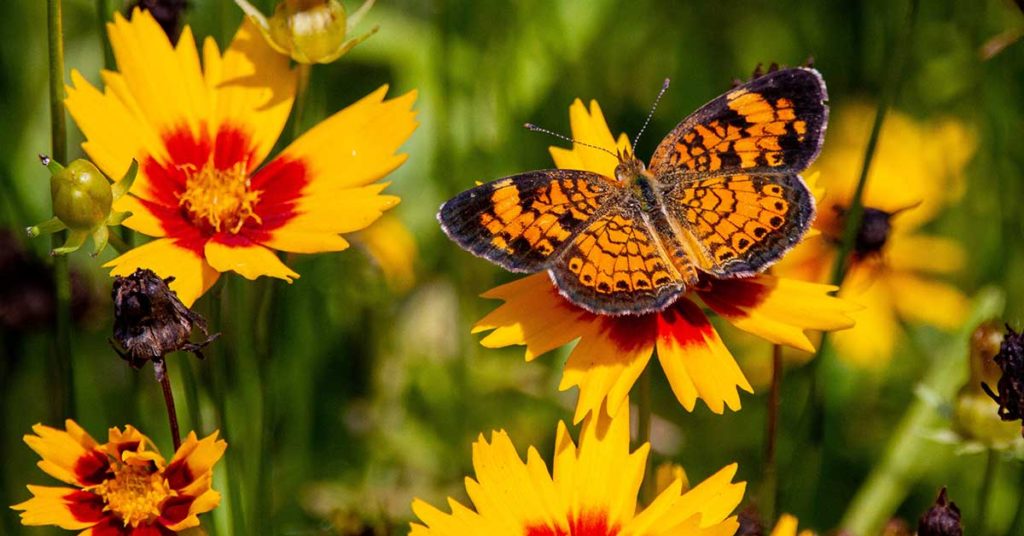
Coreopsis, often called tickseed, thrives in sunny spots and poor soils where other plants might fail. Its cheerful, daisy-like blooms come in warm yellows, oranges, and reds, and it flowers for months with very little maintenance required.
Deadheading can encourage extra blooms, but even if you skip it, coreopsis continues putting on a reliable show. It is also highly drought-tolerant once established, making it an ideal choice for low-water gardens and busy gardeners alike.
Lantana

Lantana is a true powerhouse in hot climates, producing clusters of brightly colored blooms from spring to frost. It thrives in full sun and handles dry, sandy soils with ease, making it perfect for gardens prone to heat and drought.
This plant is also loved by butterflies, bees, and hummingbirds, making it a fantastic choice for pollinator-friendly landscapes. Once established, lantana needs very little care and rewards you with nonstop color through the warmest months of the year.
Hellebores
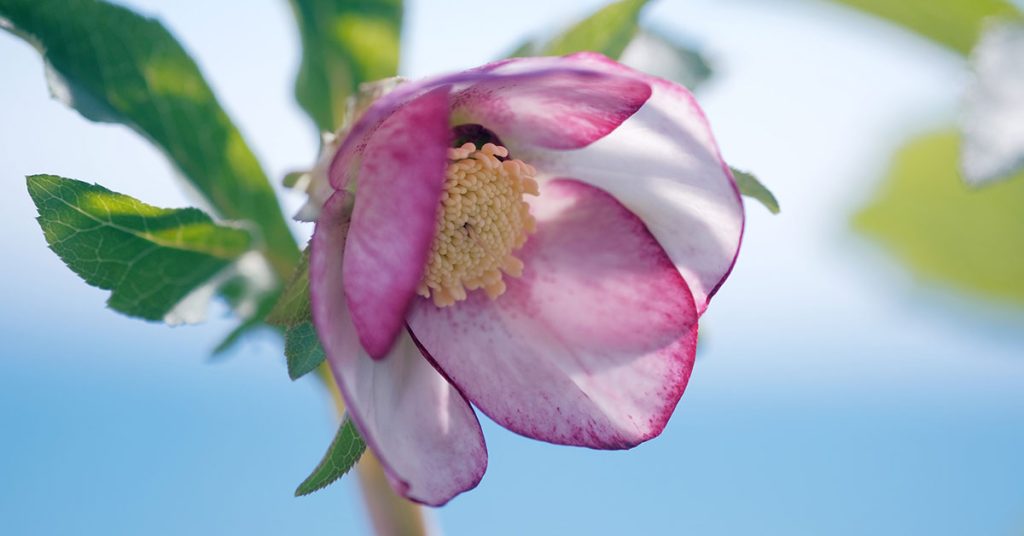
Hellebores, also known as Lenten roses, bring beauty to shaded gardens when little else is blooming. These evergreen perennials flower in late winter and early spring, showing off nodding blooms in soft pastels, deep purples, and even speckled patterns.
Hellebores thrive in low-light conditions and require minimal care once planted. They tolerate neglect, inconsistent watering, and even poor soil, making them a dependable way to add early-season charm to shady areas where many plants fail to thrive.
Growing a Carefree Garden

Gardening does not have to be stressful or time-consuming. By choosing resilient plants that thrive with little attention, you can create a landscape full of beauty, pollinator activity, and seasonal color without constant upkeep. The key is selecting plants that match your climate and light conditions while forgiving occasional mistakes.
From coneflowers and Russian sage to zinnias and hellebores, these death-proof choices allow you to enjoy your garden more and worry less. With the right selection, your outdoor space can be vibrant, diverse, and thriving no matter your skill level or schedule.