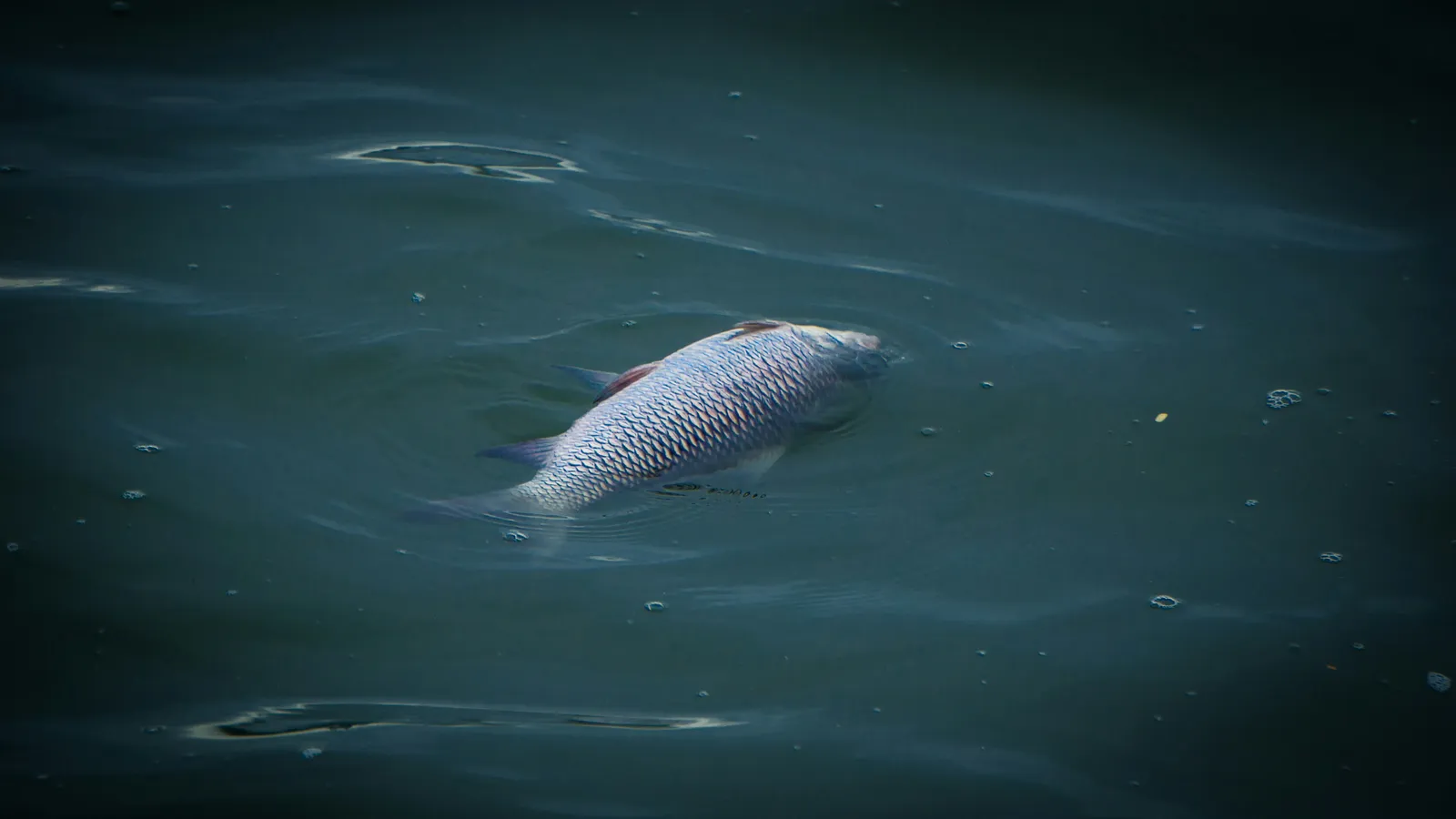

Massachusetts residents near several ponds in Boston and Worcester have recently noticed clusters of dead fish along the shorelines. The sight can appear concerning at first glance, especially for those who frequent local parks or maintain their own water features. Officials, however, have moved quickly to clarify that the phenomenon aligns with a well-documented natural process that unfolds each year during the transition to warmer weather.
Initial Reports Draw Attention
Observers first reported the fish in noticeable numbers at multiple locations across the two cities. The groups stood out because of their size and visibility near popular recreational spots. Local authorities responded by examining the sites and confirming no immediate signs of external contamination or unusual conditions.
Residents who walk the paths around these ponds described the scenes as unexpected during an otherwise typical spring period. The reports spread through community channels, prompting questions about water quality and wildlife health. Officials emphasized that similar patterns have appeared in prior seasons without lasting effects on the broader ecosystem.
Seasonal Patterns at Work
Every year, as water temperatures rise in late spring and early summer, certain fish populations experience higher natural mortality rates. This cycle affects species that are sensitive to shifts in oxygen levels and temperature, leading to occasional surface sightings. The process repeats across many Northeast ponds and does not indicate a departure from normal conditions.
Wildlife managers note that the event tends to peak during periods of rapid warming, when weaker individuals from the previous winter are less likely to survive. The bodies then wash toward the edges, creating the visible clusters. This pattern has been observed consistently enough that agencies treat it as a predictable part of regional pond ecology rather than an anomaly.
Relevance for Pond Owners and Garden Features
People who maintain private ponds or water gardens in the area may encounter comparable situations on their own properties. The same temperature-driven factors that influence public waterways can appear in smaller, managed systems. Understanding the seasonal timing helps owners distinguish routine events from problems that require intervention.
Property managers and homeowners associations have received guidance to monitor oxygen levels and avoid overstocking fish during vulnerable months. Simple aeration steps or partial water exchanges can support healthier conditions when needed. The key remains recognizing that isolated die-offs often resolve on their own once temperatures stabilize.
Practical Steps Moving Forward
Authorities recommend reporting unusually large or persistent clusters to local environmental offices for verification. Routine checks of water clarity and temperature provide early indicators of whether conditions remain within expected ranges. Most cases require no further action beyond allowing natural decomposition to proceed.
Community education efforts focus on sharing these seasonal realities so that future sightings prompt less alarm. The approach reduces unnecessary calls while ensuring genuine concerns receive prompt attention. Over time, familiarity with the cycle supports better stewardship of both public and private water bodies.
Recognizing the natural rhythm behind these sightings allows residents to view the ponds with greater context rather than immediate worry. The same waters that host the fish in spring will continue to support aquatic life through the rest of the year under ordinary conditions.
AI Disclaimer: This article was created with the assistance of AI tools and reviewed by a human editor.