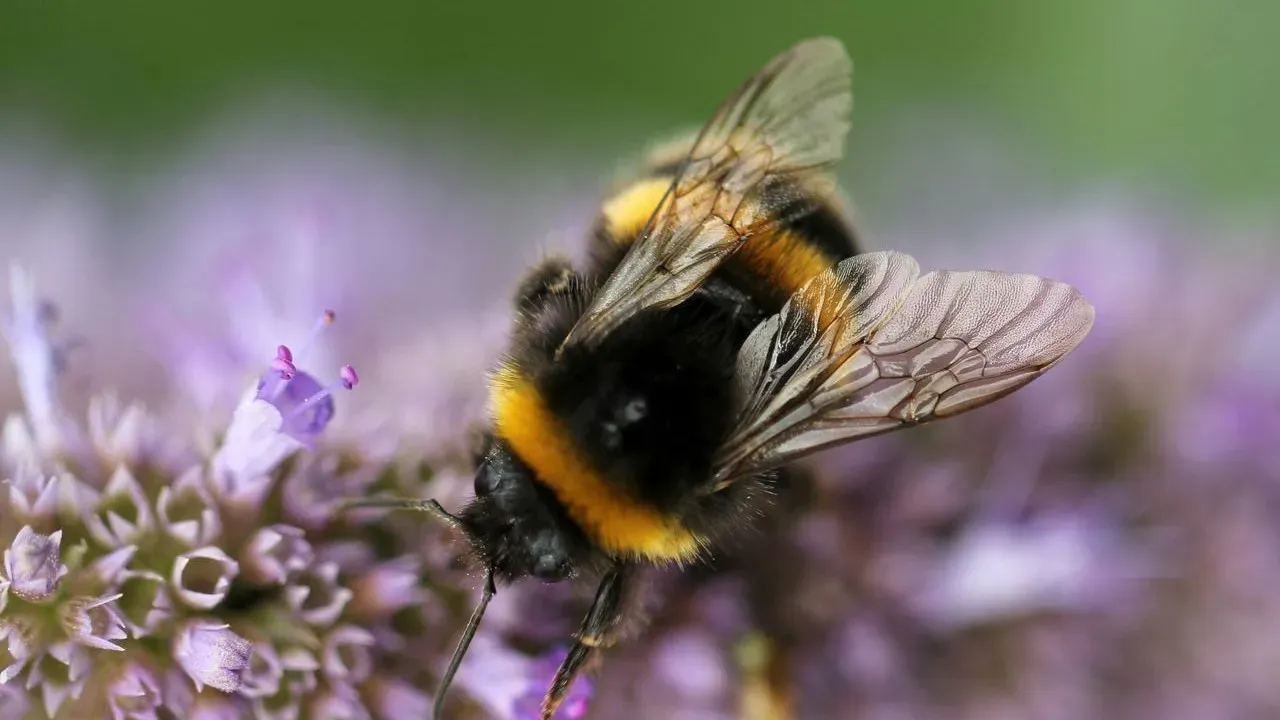

Bumblebees have always lived brief lives, yet reports of increased numbers found dead on sidewalks suggest that familiar challenges are intensifying. Extreme heat combined with ongoing human influences appears to be reducing their chances of survival in many areas. These observations tie directly into garden health because bumblebees serve as essential pollinators for numerous plants.
Natural Limits Meet Intensified Stress
Bumblebees typically complete their life cycles in a matter of weeks or months depending on the species and conditions. This built-in brevity already limits population resilience. When additional pressures accumulate, the result can appear as clusters of dead insects along paths and pavements where they once foraged. Observers note that these sidewalk findings often coincide with periods of unusually high temperatures. Heat can accelerate dehydration and exhaust the insects faster than they can recover. The pattern raises questions about how widespread the effect may be beyond visible urban surfaces.
Heat as an Accelerating Factor
Rising temperatures place direct strain on bumblebee physiology. Foraging becomes more demanding when nectar sources dry out or become less abundant. Bees that cannot maintain adequate hydration or energy reserves are more likely to succumb during flights between flowers. This thermal stress does not act in isolation. It compounds other environmental changes that gardeners and land managers have tracked for years. The combination can turn routine seasonal hardships into more severe survival tests for local colonies.
Pesticides and Shrinking Habitats Add to the Burden
Chemical applications in gardens and agricultural settings can poison bees outright or eliminate the flowering plants they rely on for food. Even sublethal doses may impair navigation and reproduction over time. Habitat reduction through development or intensive landscaping further narrows the safe spaces available for nesting and feeding. These factors interact with heat in ways that remain only partly understood. Some colonies may persist in sheltered areas while others decline sharply. Continued monitoring helps clarify which combinations prove most damaging in different regions.
Practical Steps That Support Recovery
Gardeners can reduce chemical inputs by choosing targeted treatments only when necessary and opting for bee-friendly alternatives. Planting a variety of native flowering species extends the season of available nectar and pollen. Leaving some undisturbed ground or installing simple nesting boxes provides additional shelter. Such measures do not guarantee immediate rebounds but address the main controllable pressures. Over successive seasons, consistent choices tend to improve conditions for pollinators that visit the same landscapes year after year. The visible presence of healthy bees in a garden often signals broader ecological balance. Communities that coordinate these efforts across neighboring properties see more noticeable benefits than isolated actions alone. The sidewalk observations serve as a reminder that everyday decisions in yards and green spaces influence outcomes for these insects.
AI Disclaimer: This article was created with the assistance of AI tools and reviewed by a human editor.