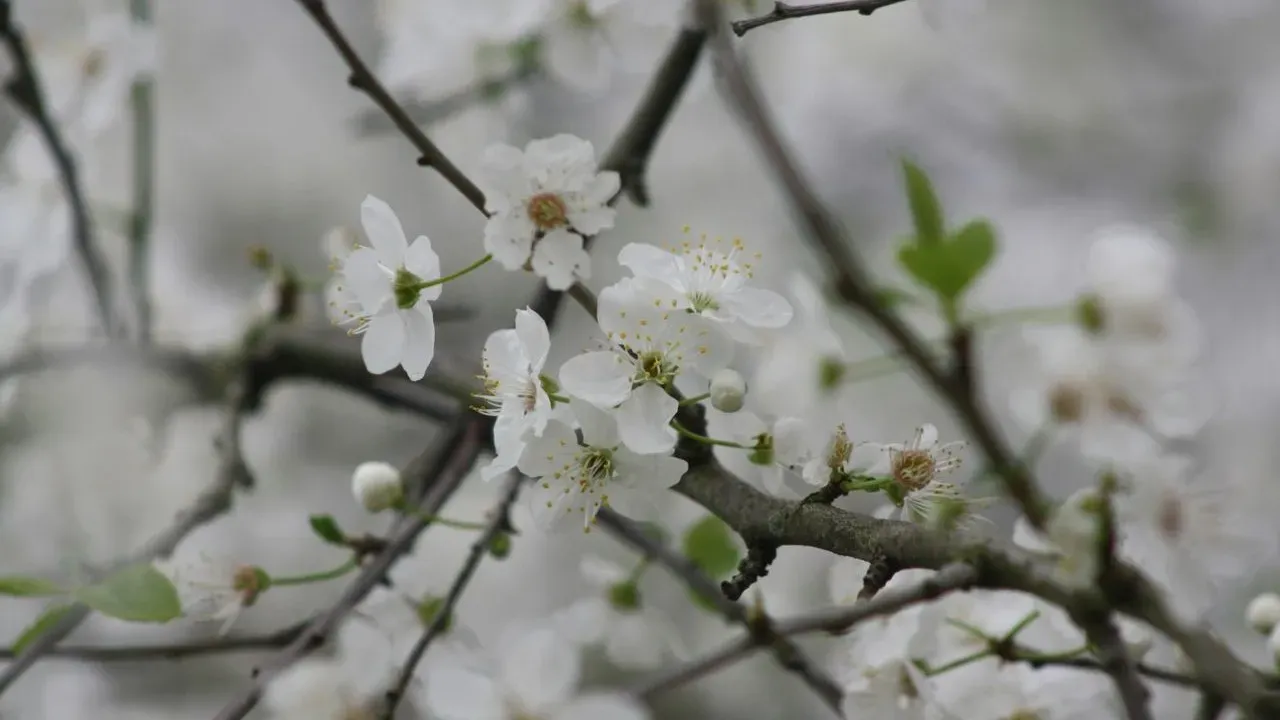

Washington residents and visitors have reacted with visible frustration to reports of dozens of cherry blossom trees being removed from federal parkland this summer. Much of the online discussion, however, has centered on the wrong location, directing anger toward the most photographed trees around the Tidal Basin when the work actually took place elsewhere. The distinction matters because the two sites hold different histories and different prospects for replacement.
Where the Trees Actually Stood
The removals occurred in East Potomac Park, specifically along the edges of the East Potomac Park Golf Course. That area sits apart from the Tidal Basin and receives far less tourist attention, which helps explain why photographs of the affected trees rarely circulated before the controversy began. The trees in question were planted in a more remote section of the park after their arrival from Japan in 1910. Routine maintenance drove the decisions.
An Interior Department spokesperson described the effort as selective removal of hazard trees, non-native invasive species, and trees already in decline that could not be restored. Court records show a federal judge reviewed the plans earlier in the year and declined to halt the work while requiring advance notice for larger-scale operations.
Why the Location Shift Changes the Story
The Tidal Basin trees have drawn the bulk of public affection and media coverage for generations. Those specimens benefited from earlier propagation efforts in Maryland, allowing new plantings to continue even after some older trees were taken out during shoreline restoration. The East Potomac trees, by contrast, represent mature specimens that cannot be easily duplicated from cuttings or seed.
Expansion plans for the golf course add another layer. The project would add roughly fifty acres of new fairway and green space, converting land previously used for picnicking, fishing, and cycling. Officials have noted that the changes follow a cultural landscape study completed by the University of Pennsylvania on the city’s three federal golf courses.
What Comes Next for the Park
– Selective removals will continue only with required notifications to the court when more than ten trees or heavy equipment are involved.
– Replacement plantings remain under discussion, though the legacy status of the removed trees limits direct replication.
– Public access to the expanded golf facilities will increase, while some informal recreation areas will shrink.
The episode highlights how quickly location details can blur in fast-moving social media conversations. Accurate mapping of the work has helped clarify that the most famous Tidal Basin displays remain untouched for now. Still, the loss of century-old trees in East Potomac Park leaves a quieter but lasting mark on the city’s broader collection of cherry blossoms.
AI Disclaimer: This article was created with the assistance of AI tools and reviewed by a human editor.