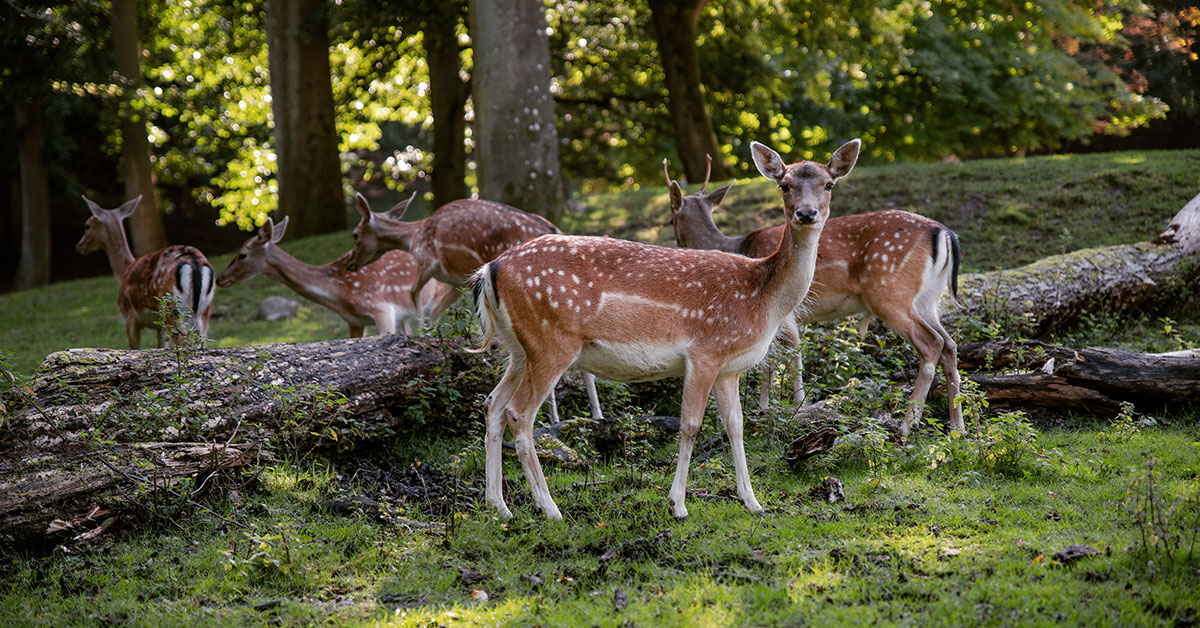

There’s nothing quite as disheartening as stepping into your vibrant flower bed only to find nibbled foliage and flattened blooms where your beloved daylilies once stood proud. Native to parts of Asia, daylilies (Hemerocallis spp.) have become staples in gardens worldwide thanks to their hardiness and dazzling flowers—but their lush growth and succulent shoots can also make irresistible buffet items for deer! It’s such a bummer when these voracious visitors mistake your carefully tended beds for a 24/7 salad bar.
I know how frustrating it is to invest hours into planting and deadheading, only to discover telltale hoof prints by morning. As a gardener who’s wrestled with this myself, I’m excited to share the many reasons why daylilies draw deer in—and what it means for your planting strategy. From their tender new shoots to the way they shape sheltering habitats, each characteristic of daylilies can inadvertently roll out the red carpet for these four‑legged browsers.
Tender New Shoots and Foliage Appeal
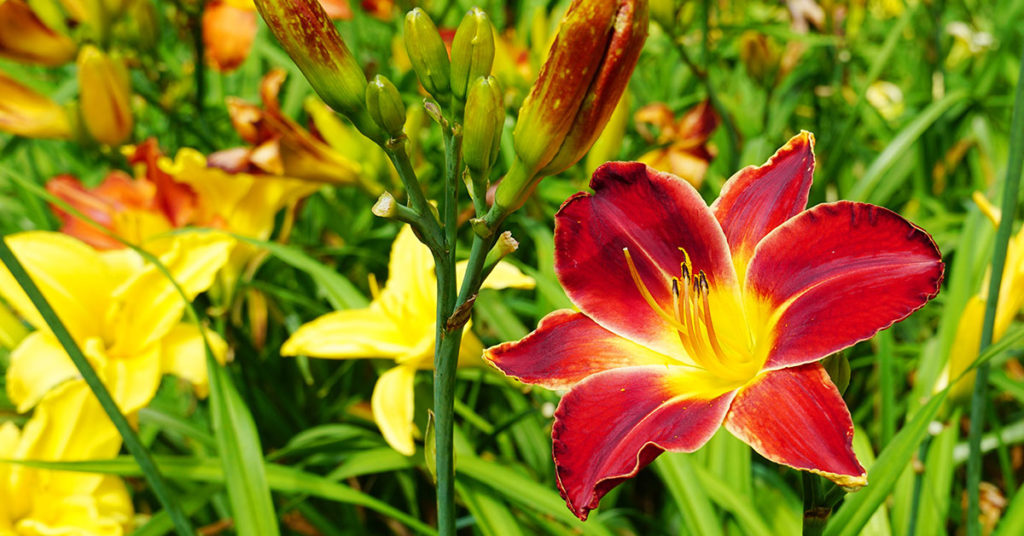
Young daylily shoots are soft, juicy, and rich in nutrients, making them a prime snack for deer when they emerge in spring. Deer are particularly fond of the first flush of growth, chomping down entire clumps to access the sweet inner tissues. I always get a thrill watching new leaves unfurl—and cringe when they disappear overnight under hooves!
These tender shoots also create ideal bedding sites: as deer graze, they compact the base of the clump, flattening leaves into a cozy mat perfect for resting. In that flattened debris, you might even find small ground‑nesting insects like solitary bees taking shelter—a bittersweet sign that your daylily patch offers more than just food!
High Water Content Satisfies Thirst

Daylily leaves contain up to 90% water, so during dry spells, deer use them to stay hydrated. This makes daylily beds especially enticing in late summer when natural water sources can be scarce. I learned this the hard way during a drought year—my once‑lush patch became prime real estate for thirsty visitors!
When deer congregate to munch and quench their thirst, they trample surrounding plants and compact the soil, which can hinder root health and encourage invasive weeds to take hold. Speaking of invasives, some daylily species—like the orange Hemerocallis fulva—have naturalized aggressively in parts of North America, spreading beyond intended beds!
Abundant Tuberous Roots for Winter Foraging
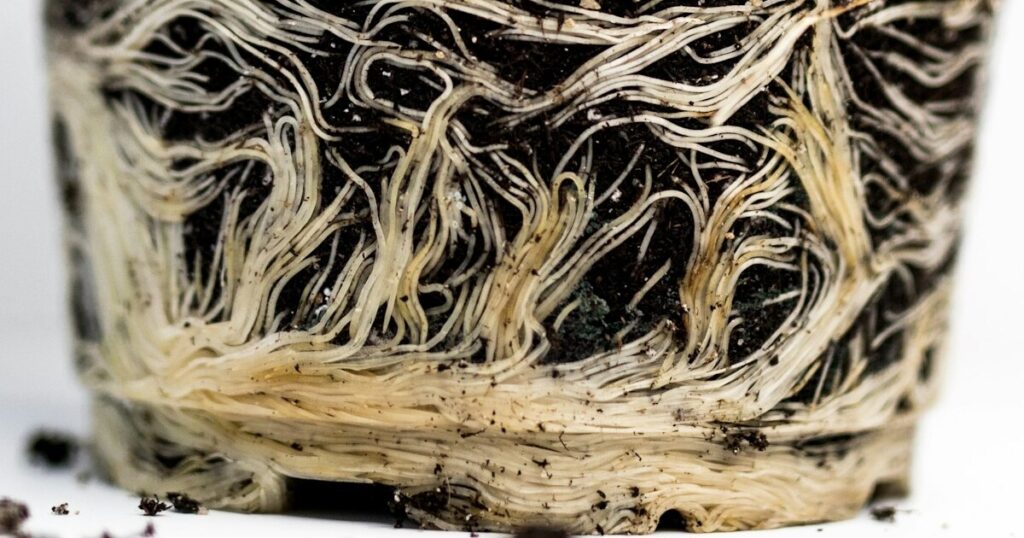
Underneath the striking blooms, daylilies produce starchy tuberous roots that deer find irresistible come late fall and early winter. As the foliage dies back, deer dig into the earth to unearth these energy‑rich storage organs. I can’t tell you how many times I’ve uncovered half‑dug clumps of roots, my soil churned by hungry hoof prints!
This root foraging also disrupts soil structure and unleashes dormant weed seeds. Leaving a thick layer of mulch can sometimes mask the scent of roots, but it also provides cover for deer to hide—so it’s a delicate balance in keeping both plants and soil healthy.
Bright, Honeysuckle‑Scented Blooms
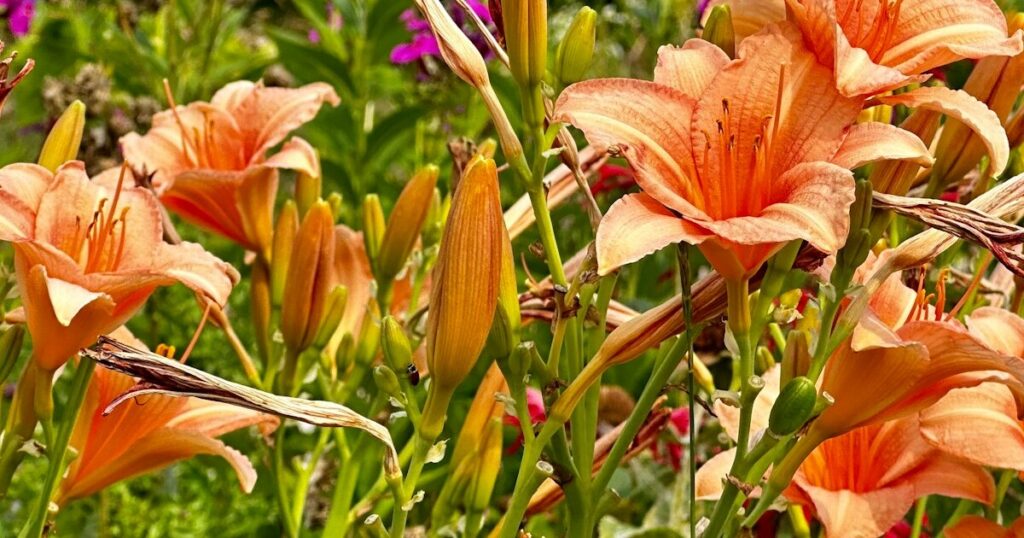
Some daylily cultivars emit a subtle, sweet fragrance reminiscent of honeysuckle—an aroma that carries across the garden at dawn and dusk. Deer, with their keen sense of smell, are drawn to these fragrant signals, thinking they might find nectar similar to wildflowers they forage in the woods. One of my favorite cultivars, ‘Stella de Oro,’ releases its scent at sunset and, sure enough, deer follow!
These scented blooms also attract hummingbirds and butterflies, which nest in nearby shrubs. Encouraging pollinators is wonderful—but it also means your garden becomes a bustling hub of activity that deer can’t resist exploring for a late‑night snack.
Dense Clumping Provides Shelter
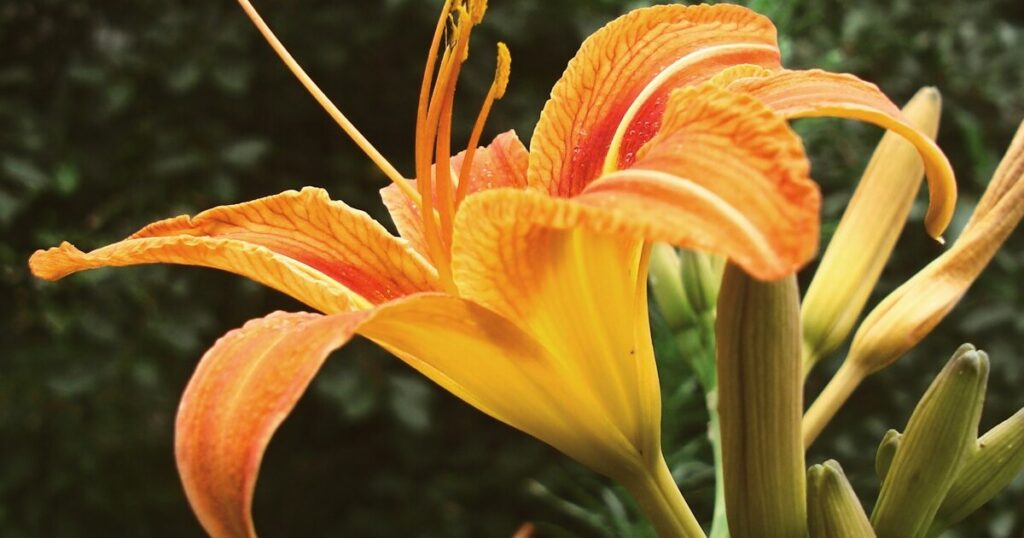
Daylilies grow in dense clumps that can reach a foot or more in height, creating natural hideaways at ground level. Deer often bed down in these cool, shady pockets during hot afternoons, nibbling on leaves as they rest. Their droppings and trampling can harm the crowns and introduce fungal pathogens into your beds.
Furthermore, the thick canopy of spent foliage and mulch offers nesting material for ground beetles and springtails, which are beneficial for soil health. Unfortunately, deer beds also compress this habitat, reducing the beneficial insect populations your garden relies on.
Extended Bloom Period Lures Browsers
Many modern daylily hybrids bloom in successive waves over two months or more. This prolonged flowering means deer can time their arrival for peak bloom, grazing on unopened buds and tender peduncles. It’s such a treat to see those repeat blossoms, but deer see it as extended grazing season!
Repeated grazing during bloom can stress the plants, leading to fewer flowers and weaker root reserves. Over time, you might notice fewer pollinators visiting—since the plants can’t allocate resources to both bloom and recovery—impacting the wider garden ecosystem.
Familiarity and Learned Behavior
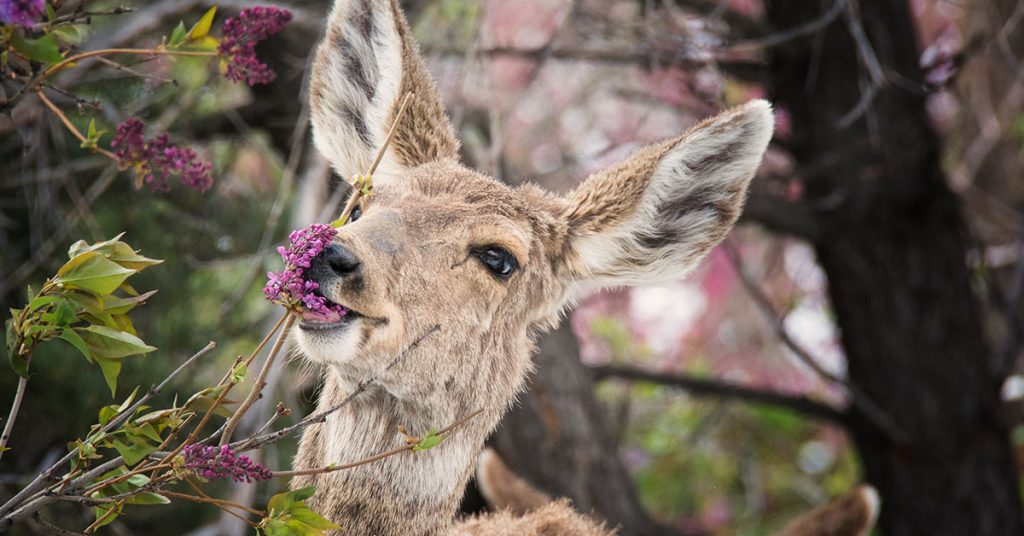
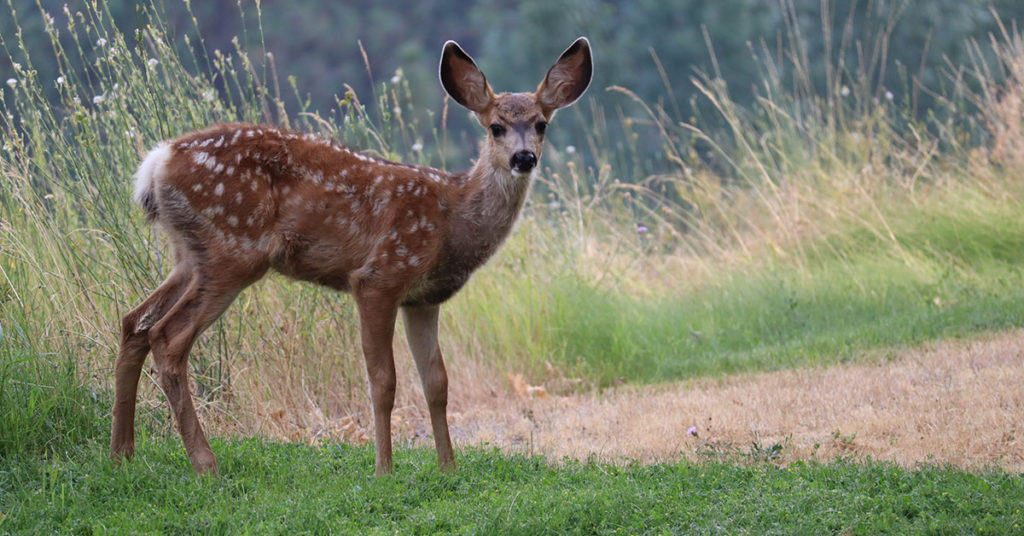
In areas where daylilies have naturalized—such as roadsides and abandoned fields—deer encounter them regularly and learn to seek out similar patches in home gardens. This learned behavior means once deer discover your daylilies, they return night after night, even if other forage is available. I’ve tried rotating my beds, but deer often patrol the same routes they know deliver a reliable snack!
Their habitual visits create well‑trodden trails through your yard, compacting soil and leaving little room for other plants to establish. You may find that your daylily beds become gateways for deer to reach other prized perennials and vegetables.
Lack of Competing Forage in Monoculture Beds

Monoculture plantings—where large swaths of daylilies dominate—offer deer an all‑you‑can‑eat buffet with minimal effort. In contrast, mixed‑plant borders that include tough, deer‑resistant species break up the buffet line and discourage prolonged grazing. I once replaced half my daylily bed with lavender and boxwood, and deer visits dropped significantly because competing plants lacked the tender appeal!
Introducing structural diversity with shrubs and grasses also supports nesting for beneficial insects like mason bees, creating a balanced environment where deer feel less welcome—but pollinators continue to thrive.
Nighttime Nectar Production

Some varieties of daylily open their flowers in the early evening and hold nectar through the night. Deer, with their crepuscular feeding habits, take advantage of these nighttime food sources. Watching the gentle unfolding of blooms under moonlight is magical—until you realize deer are doing the same and picking every blossom!
These nighttime blooms also support nocturnal pollinators such as moths, which nest in garden margins. Preserving those habitats is important, but so is protecting your flowers—so consider strategic barriers or raised beds to keep deer at bay while allowing moths access.
Absence of Natural Predators in Urban Gardens

In suburban and urban settings, natural deer predators like coyotes and mountain lions are often scarce, leaving deer populations unchecked. Your daylilies become easy targets with little risk, as deer roam gardens freely. I empathize with the frustration—sometimes the only “guardian” around is a scarecrow or motion‑activated sprinkler!
Encouraging native predator habitat—such as brush piles for foxes—can help, but fencing remains the most reliable deterrent. A well‑designed barrier keeps deer out while still allowing songbirds and beneficial insects to move in and nest among your daylilies.