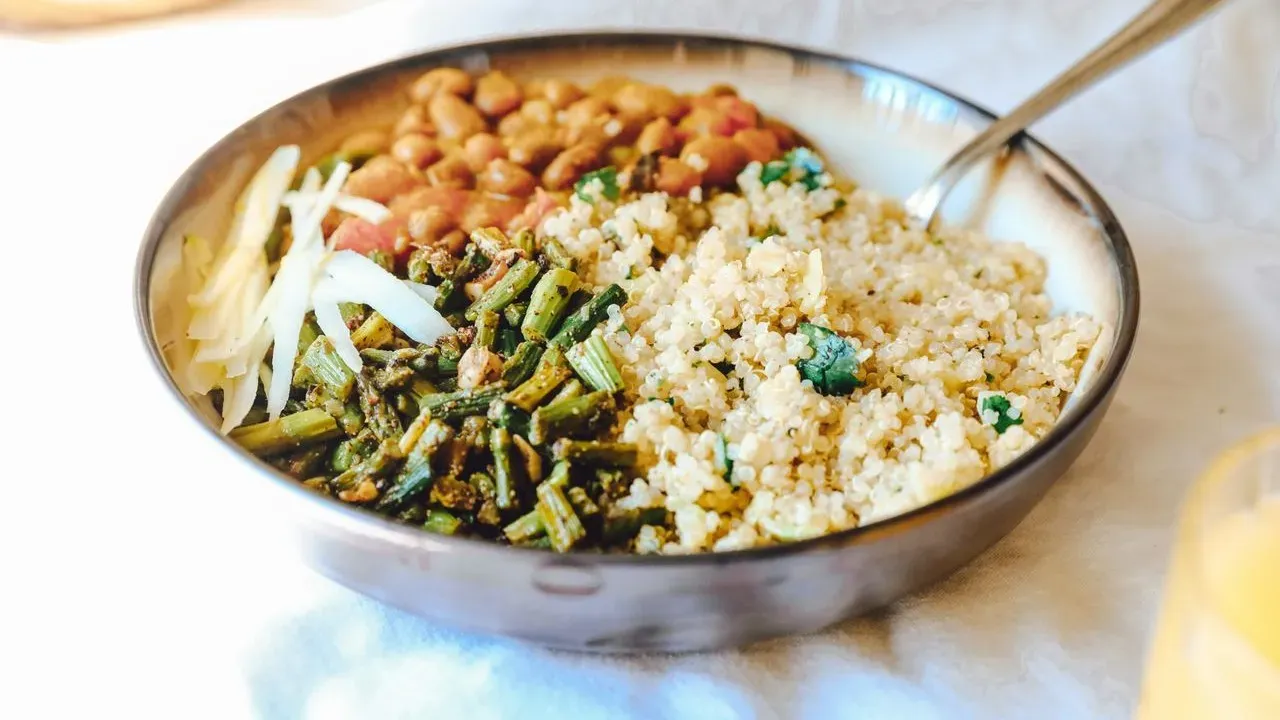

The arrival of mid-September brings a familiar urgency to home cooks and gardeners alike. Peak produce from backyard plots and local markets will soon give way to cooler-weather crops. David Tanis has assembled a vegetarian dinner menu that highlights exactly those fleeting flavors. ([1])
Why the Timing Matters
Late-summer vegetables reach their sweetest, most concentrated state right before the first cool nights arrive. Tomatoes, corn, peppers, and eggplants deliver maximum flavor now, yet they disappear quickly from gardens and farm stands. Tanis’s approach turns that narrow window into a complete meal rather than a scattered collection of side dishes.
Gardeners who have tended plants through the heat of July and August often find themselves with more produce than they can use in a single sitting. A thoughtfully planned menu solves the surplus problem while celebrating the season at its height. The recipes emphasize simple techniques that let the vegetables speak for themselves.
Building a Cohesive Menu
A successful end-of-summer dinner balances bright, fresh elements with a few richer notes to satisfy a range of appetites. Tanis pairs lighter starters and salads with more substantial vegetable mains and a simple dessert that still feels seasonal. The result is a meal that feels generous without requiring hours at the stove.
Vegetable-forward cooking at this time of year also reduces reliance on heavier proteins. Home cooks can stretch a single market haul across multiple courses while keeping every plate vibrant. The menu works equally well for weeknight gatherings or a relaxed weekend dinner with friends.
Practical Tips for Gardeners
Harvest in the morning when possible so produce stays crisp until cooking time. Group ingredients by how they will be used: quick-pickled or raw preparations first, then grilled or roasted items that can share the same heat source. This approach minimizes both waste and cleanup.
Many of the vegetables at their peak right now store well for a day or two if kept properly. Eggplants and peppers benefit from a cool countertop rather than the refrigerator. Corn and delicate greens should move straight from garden to table for the best texture and flavor.
Looking Ahead
Once the menu is prepared, the same principles carry forward into early fall. Root vegetables and hardy greens will soon take center stage, but the lessons learned from late-summer abundance remain useful. Tanis’s recipes offer a reliable template for turning whatever the garden provides into a satisfying meal.
AI Disclaimer: This article was created with the assistance of AI tools and reviewed by a human editor.