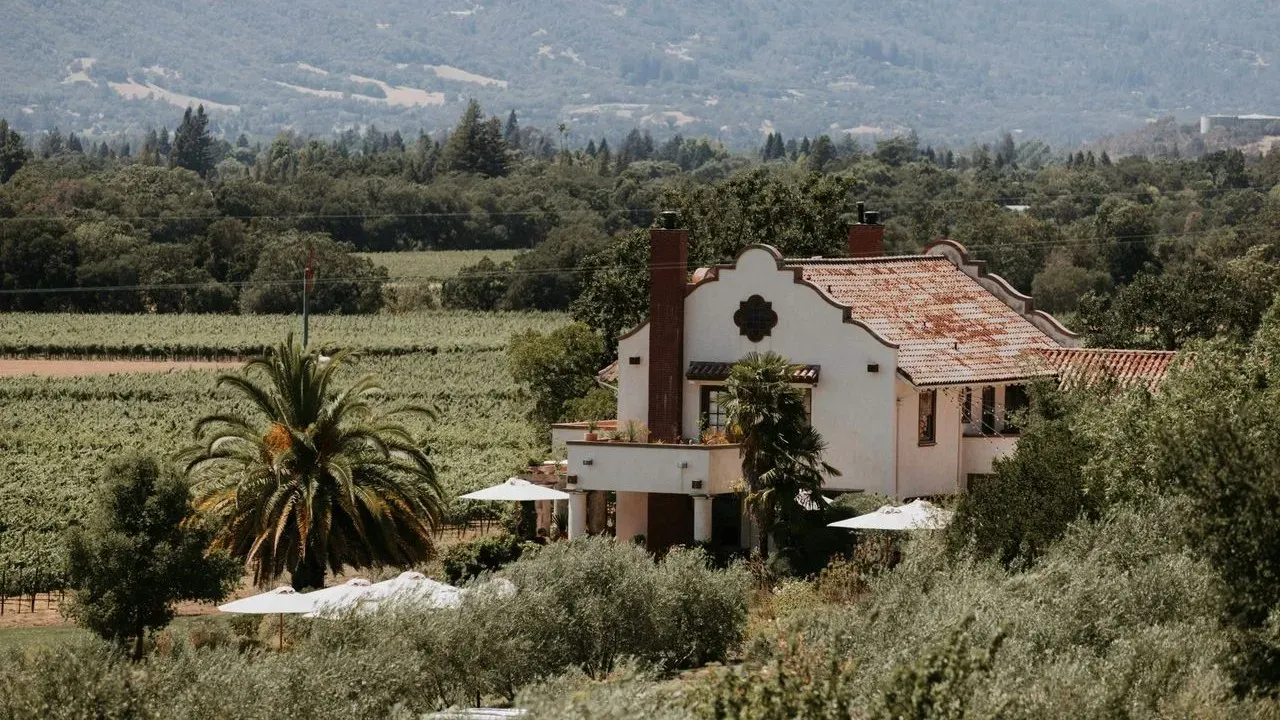

David Hirsch saw potential in a stretch of California coastline that most considered too harsh for serious grape growing. The windswept Sonoma Coast, with its fog, steep slopes, and proximity to the Pacific, had long been overlooked by the wine industry. Hirsch took a different view and helped turn the area into a respected source of premium pinot noir and chardonnay.
A Risky Start on Rugged Land
Hirsch purchased property in the late 1970s and began planting vines in 1980. The site sat just a couple of miles from the ocean in what is now recognized as the true Sonoma Coast. Few others had attempted commercial vineyards in such an exposed location at the time.
The decision required patience and conviction. Early plantings focused on pinot noir, a variety known for its sensitivity to climate and soil. Hirsch also introduced chardonnay blocks that would later prove equally distinctive. The work demanded constant adaptation to the maritime conditions that define the region.
From Grapes to a Dedicated Winery
For years Hirsch supplied fruit to established producers who recognized the quality of his grapes. The cool climate and varied soils produced wines with bright acidity and complex flavors that stood out. Demand grew steadily among winemakers seeking distinctive coastal expressions.
In 2002 Hirsch took the next step and opened his own winery. This allowed greater control over the final product and the chance to showcase the unique character of the estate. The move marked a shift from grower to full producer while maintaining the focus on site-specific wines.
Shaping a New Wine Region
Hirsch’s efforts helped establish the Sonoma Coast as a serious contender in American wine. The area’s pinot noir and chardonnay gained attention for their elegance and sense of place. Other growers followed, drawn by the success of early plantings like those at Hirsch Vineyards.
The transformation did not happen overnight. It took decades of trial, refinement, and a willingness to work with the land rather than against it. Hirsch’s approach emphasized the natural advantages of the foggy, windswept terrain that many had dismissed.
A Lasting Agricultural Legacy
Today the Sonoma Coast stands as one of California’s premier wine regions, known worldwide for its cool-climate varieties. Hirsch’s pioneering work laid essential groundwork for that reputation. His story illustrates how one person’s vision can reshape perceptions of an entire landscape.
The influence extends beyond individual bottles. It speaks to the broader possibilities of matching the right grapes to challenging environments. Hirsch demonstrated that careful observation and persistence could unlock quality in unexpected places.
AI Disclaimer: This article was created with the assistance of AI tools and reviewed by a human editor.