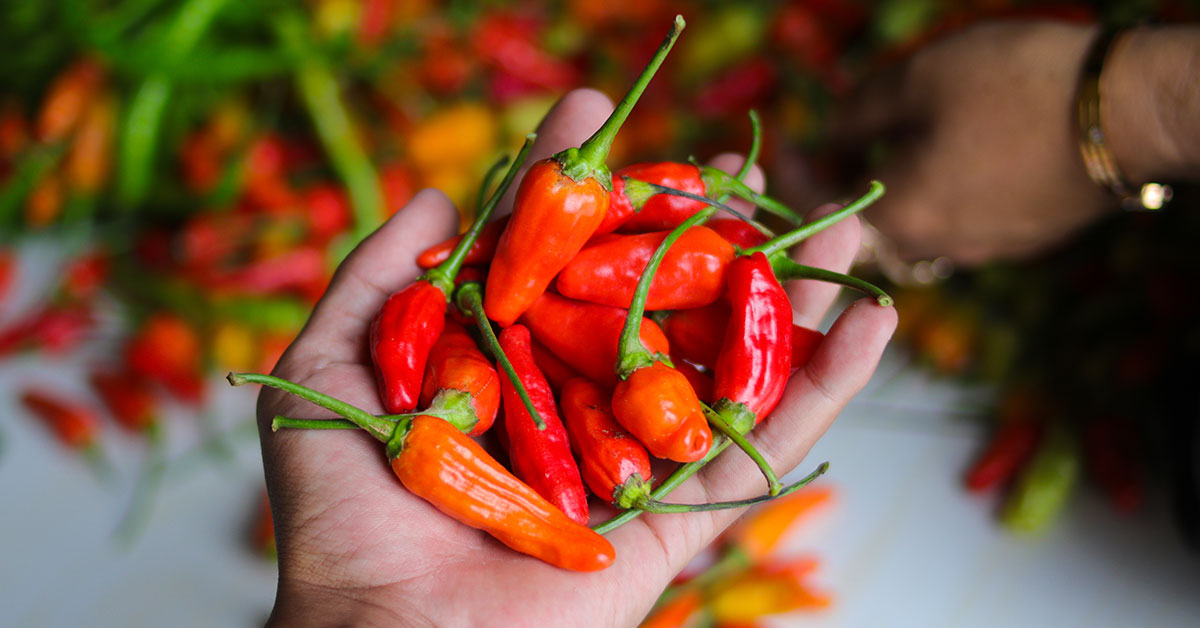

The Datil pepper plant is a unique and flavorful pepper that is native to the town of St. Augustine, Florida. This pepper is known for its sweet and fruity taste, followed by a spicy kick that can range from mild to hot.
The Datil pepper plant grows best in warm and humid climates, and it has become a popular ingredient in many regional dishes in Florida and beyond. We will explore the history, characteristics, and uses of the Datil pepper plant.
What is a Datil Pepper?
The Datil Pepper is a variety of hot pepper that originated in St. Augustine, Florida. It is a small, yellowish-orange pepper that packs a punch in terms of heat. The heat level of the Datil Pepper is similar to that of habanero but with a slightly sweeter taste.
The plant itself is a member of the Capsicum chinense species, which includes other popular peppers like the habanero and scotch bonnet. Datil Peppers grow to be about 2-3 feet tall and produces small, thin-walled peppers that are about 1-2 inches long.
The Datil Pepper Plant is known for being a bit finicky to grow, as it requires a warm and humid climate to thrive. It is best grown in zones 9-11, which includes parts of Florida, Texas, and southern California. However, with the proper care and attention, it is possible to grow Datil Peppers in other regions as well.
Overall, the Datil Pepper is a unique and flavorful addition to any garden. Its distinct taste and heat level makes it a popular choice for hot sauce makers and chili enthusiasts alike.
What do datil peppers taste like?
The Datil pepper is a unique and flavorful addition to any garden. This pepper is known for its distinct taste, which has been compared to a habanero pepper with a sweeter, fruitier flavor. The Datil pepper is also known for its intense heat, with a rating of 100,000 to 300,000 on the Scoville scale.
When eaten fresh, the Datil pepper has a bright and fruity taste, with a subtle sweetness. It is often used in Caribbean and Creole cuisine, where it is added to sauces, marinades, and spice rubs. The Datil pepper is also popular for making hot sauces, which can range from mild to extremely hot.
When dried, the Datil pepper takes on a smoky flavor that is perfect for adding depth to dishes like chili or stews. It can also be ground into a fine powder and used as a spice.
Overall, the Datil pepper plant is a versatile and flavorful addition to any garden. Whether you are looking to add some heat to your dishes or simply want to experiment with new flavors, the Datil pepper is a great choice.
Starting a Datil Pepper Plant from Seed
If you’re looking to grow Datil peppers, starting them from seed is a great way to ensure that you have a healthy and productive plant. Here are the steps to start your Datil pepper plant from seed:
- Choose the right season: Datil pepper plants need warm weather to thrive, so it’s best to start your seeds indoors in late winter or early spring. This will give your plant plenty of time to grow before you transplant it outside.
- Choose the right seeds: Look for high-quality Datil pepper seeds from a reputable source. You can find them online or at your local gardening store. Make sure the seeds are fresh and haven’t expired.
- Prepare the soil: Fill a seedling tray with a high-quality potting mix. Make sure the soil is moist but not waterlogged.
- Plant the seeds: Place one or two seeds in each cell of the seedling tray, and cover with a thin layer of soil. Press down gently to ensure good seed-to-soil contact.
- Provide proper care: Keep the soil moist but not waterlogged, and place the seedling tray in a warm, sunny spot. The ideal temperature for germination is between 75-85 degrees Fahrenheit. You can use a seedling heat mat to help maintain a consistent temperature.
- Transplant the seedlings: Once your seedlings have grown to be about 2-3 inches tall and have at least two sets of true leaves, they’re ready to be transplanted. Plant them in a larger container or in your garden, making sure to give them plenty of space to grow.
- Provide ongoing care: Water your Datil pepper plant regularly and fertilize with a balanced fertilizer every two to three weeks. As the plant grows, you may need to stake it to keep it upright. Harvest the peppers when they’re ripe and enjoy the spicy flavor of your homegrown Datil peppers! How to grow datil pepper plant. If you’re looking to spice up your garden and your palate, growing the datil pepper plant could be just the thing for you. This pepper is native to the St. Augustine area of Florida and boasts a heat level comparable to the habanero pepper. Here are the steps to successfully grow your own datil pepper plant.
- Choose Your Location
The datil pepper plant thrives in warm, sunny locations with well-draining soil. Choose a spot in your garden that gets at least six hours of sunlight per day and has good drainage. - Prepare the Soil
Before planting, it’s important to prepare the soil. Datil peppers prefer slightly acidic soil with a pH between 6.0 and 6.5. Mix in compost or well-rotted manure to improve soil quality and drainage. - Plant the Seeds
Plant datil pepper seeds ¼ inch deep and 18-24 inches apart. Water thoroughly after planting. - Watering and Fertilizing
Datil peppers require consistent watering but be careful not to overwater as this can lead to root rot. Water when the top inch of soil feels dry. Fertilize once a month with a balanced fertilizer. - Support the Plant
As your datil peppers grow, they may need support to keep the stems from breaking due to the weight of the peppers. Use stakes or a tomato cage to keep the plant upright. - Harvesting
Once the datil peppers turn yellow or orange, they are ready to be harvested. Use gloves when harvesting as the oils from the pepper can cause skin irritation.
By following these steps, you can successfully grow your own datil pepper plant and enjoy the spicy flavor it brings to your dishes.
When and how to harvest datil peppers:
Datil peppers are a favorite among many gardeners and chefs alike due to their unique flavor and heat. If you have grown datil peppers, you may be wondering when and how to harvest them. Here are some tips to help you get the most out of your datil pepper harvest.
- Timing: Datil peppers typically take around 90-100 days from seed to maturity. You can start harvesting datil peppers once they have turned their signature bright orange color. Leaving the peppers on the plant too long can cause them to become overly ripe and lose their distinctive flavor.
- Method: The best way to harvest datil peppers is to use pruning shears or scissors to snip the peppers off the plant. Be sure to wear gloves as datil peppers are quite spicy and can cause skin irritation.
- Storage: Once harvested, you can store datil peppers in the refrigerator for up to two weeks. You can also freeze them for later use by placing them in a sealed plastic bag and removing as much air as possible.
- Yield: Depending on the size of your datil peppers, you can expect to harvest anywhere from 20-50 peppers per plant. It’s best to harvest datil peppers frequently throughout the growing season to encourage continued growth and production.
In conclusion, harvesting datil peppers is a simple process that can yield a bountiful and flavorful crop. With the right timing and method, you can enjoy the unique taste of datil peppers in your favorite dishes all year long.