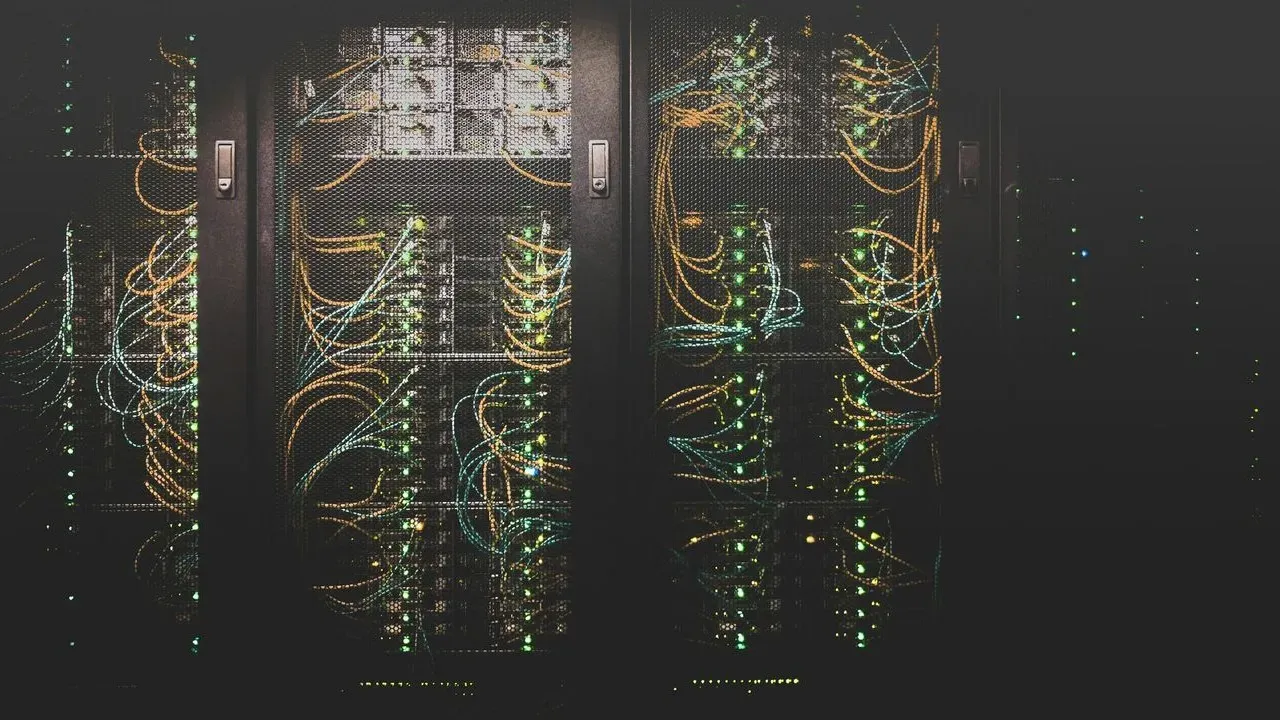

Data centers consume vast amounts of electricity and release substantial heat as a byproduct. As artificial intelligence drives new construction, that heat has drawn fresh attention from architects seeking practical reuse. One studio has proposed a hybrid structure that places servers out of view while channeling their warmth into a public wellness facility.
Why Reuse Matters Now
The surge in data center development coincides with rising energy demands from AI systems. Traditional designs vent excess heat into the atmosphere, representing a lost resource. Proposals that capture and redirect it can reduce overall energy waste while providing tangible local benefits.
Forma, a New York architecture firm, developed its concept several years ago. The design envisions servers installed below ground, with heat transferred upward through simple engineering to maintain comfortable water temperatures in pools above. This setup keeps the technical infrastructure concealed and integrates it into everyday public space.
The Bathhouse Proposal
The project, called Pink Thermal Baths, places the data center in a subterranean layer. Heat exchangers move warmth from the servers to the bathhouse facilities overhead. In one illustrated scenario set in a California desert location, the above-ground portion spans roughly 32,000 square feet and offers pools for public use.
Forma describes the arrangement as a shift from linear energy consumption to a more circular approach. Electricity powers the servers, and the resulting heat supports a community amenity rather than dissipating unused. The firm has presented the idea as a model for future hybrid buildings that serve both technological and social functions.
Practical Considerations
Such integrations require careful planning around temperature levels and system efficiency. Data center heat is typically moderate, making it suitable for applications like pool heating without extensive additional processing. Location matters, as steady demand for warmth improves the economics of recovery.
Similar efforts elsewhere have shown measurable results. Some facilities already route server heat into district systems or directly to nearby buildings, cutting reliance on conventional fuel sources. The Forma concept extends this principle to a visible public setting.
Looking Ahead
Architectural experiments like this highlight opportunities to align infrastructure growth with community needs. As more data centers come online, designs that embed heat recovery from the start could become more common. The approach remains conceptual for now, yet it illustrates a concrete path for turning an industrial byproduct into a shared resource.
Continued refinement will depend on technical performance, regulatory support, and local interest in the resulting spaces. The core idea, however, points toward buildings that deliver more than their primary function.
AI Disclaimer: This article was created with the assistance of AI tools and reviewed by a human editor.