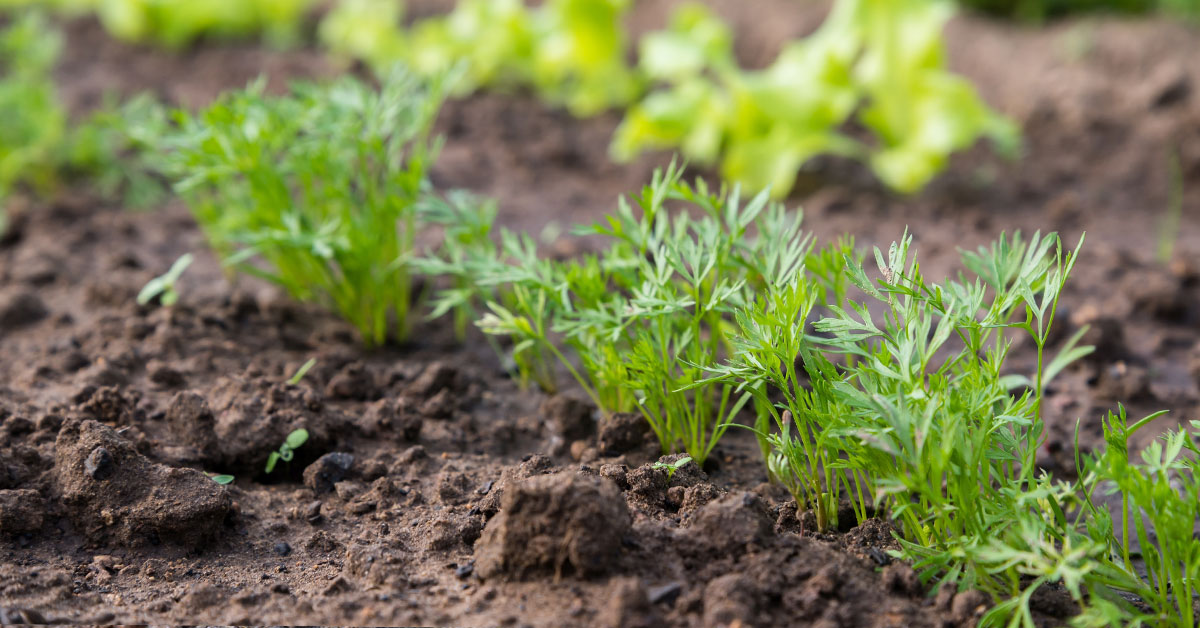

The Danvers Carrot is a versatile and flavorful vegetable, as well as being a favorite among gardeners. Known for its vibrant orange color, crisp texture, and naturally sweet taste.
In this article, we will explore the art of growing Danvers Carrots, providing you with valuable tips and tricks to ensure a bountiful harvest.
What is a Danvers Carrot?
When it comes to carrots, the Danvers Carrot variety stands out for its unique qualities and rich history. Originally developed in the late 19th century in Danvers, Massachusetts, this heirloom carrot has become a favorite among gardeners and carrot enthusiasts around the world.
The Danvers Carrot is a biennial plant that belongs to the Apiaceae family, commonly known as the carrot family. It is known for its distinct shape, which is cylindrical and tapered at one end, with a slightly blunt tip. The color of the Danvers Carrot can vary, ranging from vibrant orange to a deep red-orange hue.
One of the distinguishing features of the Danvers Carrot is its exceptional flavor. It has a sweet and crisp taste, making it ideal for snacking, juicing, or incorporating into various culinary dishes. The high sugar content in this carrot variety contributes to its delectable flavor profile.
In addition to its taste, the Danvers Carrot boasts excellent storage capabilities. Its thick skin and dense flesh allow it to be stored for extended periods without losing its flavor or texture. This makes it a popular choice for those who want to stock up on carrots and enjoy their nutritional benefits throughout the year.
The Danvers Carrot also thrives in a variety of growing conditions, making it suitable for both home gardeners and commercial farmers. Additionally, it is known for its ability to adapt to different soil types and climates, making it a reliable choice for those living in diverse regions.
What does a Danvers Carrot taste like?
When it comes to carrots, there are numerous varieties available, each with its own unique taste and characteristics. In this blog section, we will explore the flavor profile of the Danvers carrot, a popular heirloom variety. So, what exactly does a Danvers carrot taste like? Let’s find out!
Sweet and Earthy: One of the defining features of Danvers carrots is their natural sweetness. These carrots have a pleasantly sweet taste that is often described as being similar to honey or brown sugar. The sweetness is balanced with a subtle earthy undertone, giving the carrot a well-rounded flavor.
Mild and Nutty: Compared to some other carrot varieties, Danvers carrots have a milder flavor. The nuttiness of this variety adds an interesting dimension to its taste, making it a favorite among carrot enthusiasts. The mildness allows the carrot to be versatile in various culinary applications.
Juicy and Crisp: Danvers carrots are known for their crisp texture and juicy bite. When you take a bite into a fresh Danvers carrot, you’ll experience a satisfying crunch, followed by a burst of refreshing juiciness. This makes them a delightful snack on their own or a great addition to salads, stir-fries, and soups.
Versatile in Cooking: Due to its taste profile, the Danvers carrot is a versatile vegetable that can be used in a wide range of culinary preparations. The natural sweetness makes it a perfect ingredient for both sweet and savory dishes. You can enjoy it raw in salads or as a dipper for hummus, or cook it in soups, stews, roasted dishes, or even bake it into delectable carrot cakes.
How to start from seed
With its sweet and crunchy taste, this heirloom variety can easily be cultivated with a little planning and care. In this article, we will guide you through the process of choosing the right seeds, preparing the soil, sowing the seeds, watering and care, as well as thinning and maintenance.
- Choosing the Right Seeds:
Selecting high-quality seeds is essential for successful Danvers Carrot cultivation. Look for reputable seed suppliers or gardening centers that provide reliable and certified organic Danvers Carrot seeds. Opt for fresh seeds, preferably no more than 2 years old, to ensure good germination rates. - Preparing the Soil:
Before sowing the seeds, it’s crucial to prepare optimal growing conditions for your Danvers Carrots.
a. Choose a location: Select a sunny spot in your garden where the carrots will receive at least 6 hours of direct sunlight per day.
b. Soil preparation: Carrots prefer well-draining soil, free from rocks and other debris. Loosen the top 6 to 8 inches of soil using a garden fork or tiller. Furthermore, remove any weeds, as they can interfere with carrot growth. - Sowing the Seeds:
To ensure productive growth, follow these steps for sowing Danvers Carrot seeds:
a. Time your sowing: Carrots are cool-season crops, so sow seeds around 2 to 4 weeks before the last expected frost date in spring or in late summer to early fall for a fall harvest.
b. Sowing depth: Sprinkle the Danvers Carrot seeds across the prepared soil, aiming for a spacing of 2 inches between each seed. Additionally, cover the seeds lightly with approximately ¼ inch of soil.
c. Row spacing: Create rows that are approximately 12-18 inches apart to allow room for the roots to develop.
d. Watering: Gently water the soil after sowing, making sure not to displace the seeds. Maintain consistent moisture during the germination period. - Watering and Care:
Proper watering and care are vital throughout the growth cycle of your Danvers Carrots:
a. Watering: Regularly water the carrots to keep the soil consistently moist, especially during dry spells. Avoid excessive irrigation, which can cause the carrots to crack or develop other deformities.
b. Mulching: Apply a layer of organic mulch, such as straw or shredded leaves, to retain moisture and suppress weed growth.
c. Fertilization: Danvers Carrots require minimal fertilization. However, incorporating compost or well-rotted manure into the soil during preparation can provide essential nutrients. - Thinning and Maintenance:
As the carrot seedlings emerge, it’s important to thin them and maintain optimal growth conditions:
a. Thinning: When the seedlings reach approximately 2 inches in height, thin them to maintain a spacing of 2-3 inches between each plant. This allows each carrot enough room to develop fully.
b. Weed control: Regularly remove weeds around the carrot plants, taking care not to disturb the shallow carrot roots.
c. Pest management: Watch out for common carrot pests such as carrot rust flies or aphids. Apply organic pest control methods, such as floating row covers and companion planting, to keep these pests at bay.
How to grow this vegetable in your garden
Danvers carrot is a popular and versatile vegetable that is loved by gardeners and cooks alike. Known for its sweet and crisp flavor, this carrot variety can be enjoyed fresh, used in salads, or cooked in various dishes. This will guide you through the process of growing Danvers carrots, from preparing the soil to harvesting the perfect crop.
Choosing the Right Location: The first step in growing Danvers carrots is selecting the right location for your garden. Carrots thrive in full sun, so choose a spot that receives at least six to eight hours of direct sunlight each day. Additionally, make sure the soil is well-draining and free from rocks or debris that can hinder the growth of the carrots.
Preparing the Soil: Preparing the soil is crucial for successful carrot cultivation. Start by removing any weeds and grass from the area. Carrots prefer loose, well-draining soil, so consider adding organic matter like compost or well-rotted manure to improve its texture and fertility. Use a garden fork or tiller to break up any compacted soil and create a loose bed for the carrots.
Planting Danvers Carrot Seeds: Danvers carrots can be grown from seeds, which are readily available at garden centers or online. Sow the seeds directly into the prepared soil, spacing them about 2 inches apart. Gently press the seeds into the soil, ensuring they are covered with a thin layer of soil, about 1/4 inch deep. Additionally, water the area thoroughly after planting to ensure good seed-to-soil contact.
Watering and Care: Carrots need consistent moisture to grow properly, but overwatering can lead to rotting of the roots. Keep the soil evenly moist by watering regularly, especially during dry spells. Avoid overhead watering, as wet foliage can increase the risk of diseases. Furthermore, mulching around the carrot plants can help retain moisture and prevent weed growth.
Thinning and Weeding: As the carrot seedlings emerge, it is essential to thin them to ensure adequate space for each plant to grow. Thin the seedlings to about 2 to 3 inches apart, removing the weaker ones. Thinning helps prevent competition for nutrients and encourages the development of larger, healthier carrots. Additionally, regular weeding is also necessary to prevent weeds from choking the carrot plants.
Harvesting Danvers Carrot: Danvers carrots typically take around 70 to 80 days to mature, depending on the specific variety and growing conditions. The carrots are ready for harvest when they have reached their mature size, usually around 6 to 8 inches in length. Gently loosen the soil around the carrot, taking care not to damage the roots, and gently pull the carrot out. Rinse off any soil and enjoy the sweet, crunchy goodness of your homegrown Danvers carrots!
Storing and Using Danvers Carrot: After harvesting, Danvers carrots can be stored in a cool, dark place for several weeks. Trim the tops of the carrots, leaving about an inch of stem, to prevent moisture loss. Carrots can be used in a variety of dishes, from soups and stews to stir-fries and salads. They can also be grated for carrot cakes or enjoyed as a healthy snack with dip.