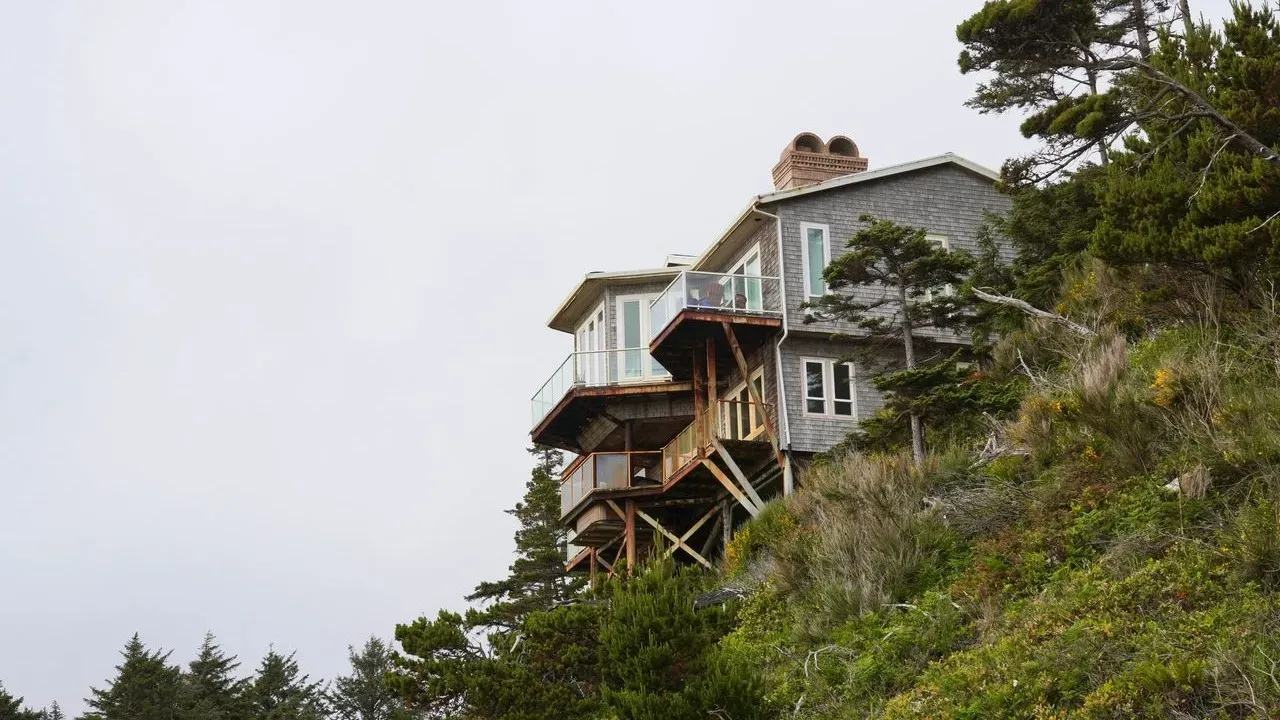

In Dana Point, California, a homeowner watches closely as winter approaches and coastal conditions shift. His residence, valued at roughly $10 million, sits on a bluff where erosion has already narrowed the margin of safety. The coming months bring the added variable of a potentially strong El Niño pattern, which historically intensifies wave action and rainfall along the Southern California shoreline.
The Home’s Exposed Location
The property occupies a stretch of coastline where bluffs have retreated over time. Natural processes have left portions of the structure closer to the edge than originally planned. Local records show similar sites have required repeated interventions to stabilize foundations and redirect drainage. Residents in the area have long balanced scenic views against the realities of living on dynamic land. Engineers who inspect these parcels note that soil composition and wave exposure vary even within short distances. For this particular home, recent assessments have focused on how additional moisture could accelerate movement along existing fracture lines.
El Niño Patterns and Coastal Effects
El Niño events alter ocean temperatures and atmospheric circulation, often producing heavier surf and increased precipitation in California. A stronger episode, sometimes described as a “super” event, can extend the period of elevated wave energy into spring. Forecasters track these developments through buoy data and satellite observations that feed seasonal outlooks. Past strong episodes have coincided with accelerated bluff retreat in several coastal communities. The combination of saturated soil and persistent wave undercutting tends to remove material at the base of cliffs more rapidly than average conditions. Homeowners receive updated guidance from county offices when models indicate elevated risk.
Steps Taken by the Owner
The resident has consulted geotechnical specialists and reviewed drainage improvements around the foundation. Measures under consideration include reinforcing retaining structures and adjusting irrigation to limit additional water infiltration. Insurance discussions have also taken place to clarify coverage for storm-related damage. Local permitting rules require documentation of site conditions before major work begins. The process involves coordination with both engineering firms and municipal planning departments. Timing matters because construction windows can close once winter storms arrive.
Considerations for Similar Properties
Other cliffside residences along the same coastline face comparable exposure. Property values reflect both the appeal of ocean proximity and the costs associated with ongoing maintenance. Real estate disclosures in the region now routinely address erosion history and projected climate influences. Municipal agencies continue to study long-term adaptation options, including setback requirements for new construction. Existing owners weigh the expense of protective measures against the possibility of future relocation. These decisions unfold against a backdrop of changing insurance availability and lending standards for high-risk parcels. The situation in Dana Point illustrates the practical trade-offs that accompany premium coastal real estate. Homeowners and local officials alike track seasonal forecasts while evaluating engineering solutions that fit both regulatory and budgetary constraints.
AI Disclaimer: This article was created with the assistance of AI tools and reviewed by a human editor.