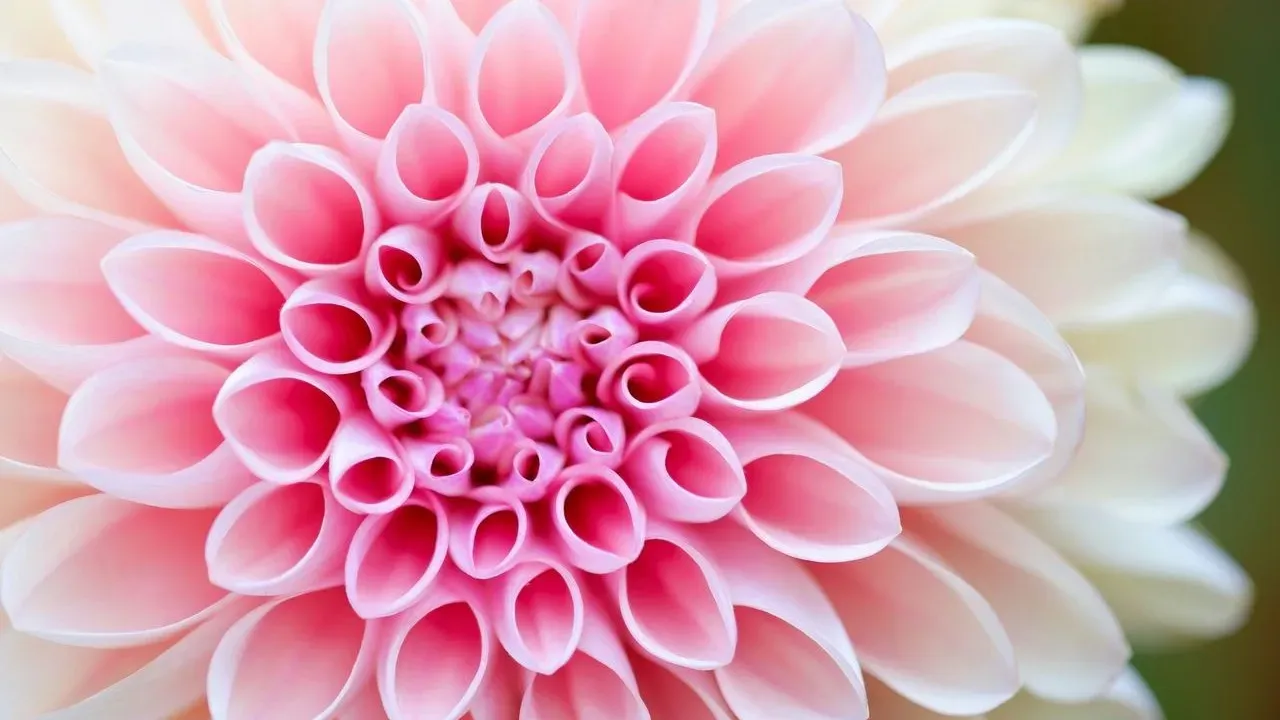

Many gardeners find themselves drawn to dahlias for their bold late-season color and substantial blooms, yet the same plants often prompt quiet reconsideration once the full cycle of care becomes clear. The tension between admiration and the practical demands of maintenance surfaces repeatedly in conversations among experienced growers. One recent reflection captured this push and pull with particular clarity.
The Initial Attraction
Dahlias deliver striking visual impact precisely when many other perennials begin to fade. Their range of forms, from compact singles to dinner-plate doubles, and their ability to fill a border with saturated tones make them tempting additions during visits to other gardens. Social media amplifies the effect by showcasing effortless-looking arrangements that mask the infrastructure required to keep stems upright and flowers fresh. The result is a recurring cycle of renewed interest followed by renewed awareness of the work involved.
Daily and Seasonal Demands
Deadheading ranks high among the recurring tasks that test patience. Distinguishing viable buds from spent blooms grows more difficult as plants mature, and the process must be repeated frequently to maintain appearance. Staking adds another layer, because heavy flower heads readily collapse without discreet support. Soil conditions matter as well; evenly moist, nutrient-rich ground and full sun produce the strongest performance, yet many home landscapes fall short on one or both counts. These requirements accumulate into a schedule that can feel at odds with the relaxed enjoyment many seek from their gardens.
Winter Storage and Multiplication
In colder regions the cycle extends beyond the growing season. Tubers must be lifted after frost, cleaned, and stored in conditions that prevent drying or rot. One practical approach involves removing old foliage, wrapping clumps in absorbent material such as an old towel, and placing them in sealed bags kept in a frost-free space. Plants grown in containers can remain in their pots with occasional light watering. Successful overwintering often yields more tubers than were planted the previous year, which then require division or additional containers the following spring. The expansion can quickly outpace available space and attention.
A Measured Compromise
Some gardeners resolve the conflict by narrowing their choices rather than abandoning the plants entirely. Single-flowered varieties with bronze foliage tend to require less intervention because they do not demand constant deadheading to remain attractive. These selections continue to provide late color while fitting more comfortably into mixed borders without the same level of oversight. The approach acknowledges both the genuine pleasure the flowers bring and the realistic limits of time and resources most home gardeners face. The decision ultimately rests on matching plant selection to the conditions and commitment available in each garden. Dahlias reward careful placement and consistent attention with extended seasonal interest, yet they also illustrate how even beloved plants can shift from delight to obligation when their full requirements are taken into account.
AI Disclaimer: This article was created with the assistance of AI tools and reviewed by a human editor.