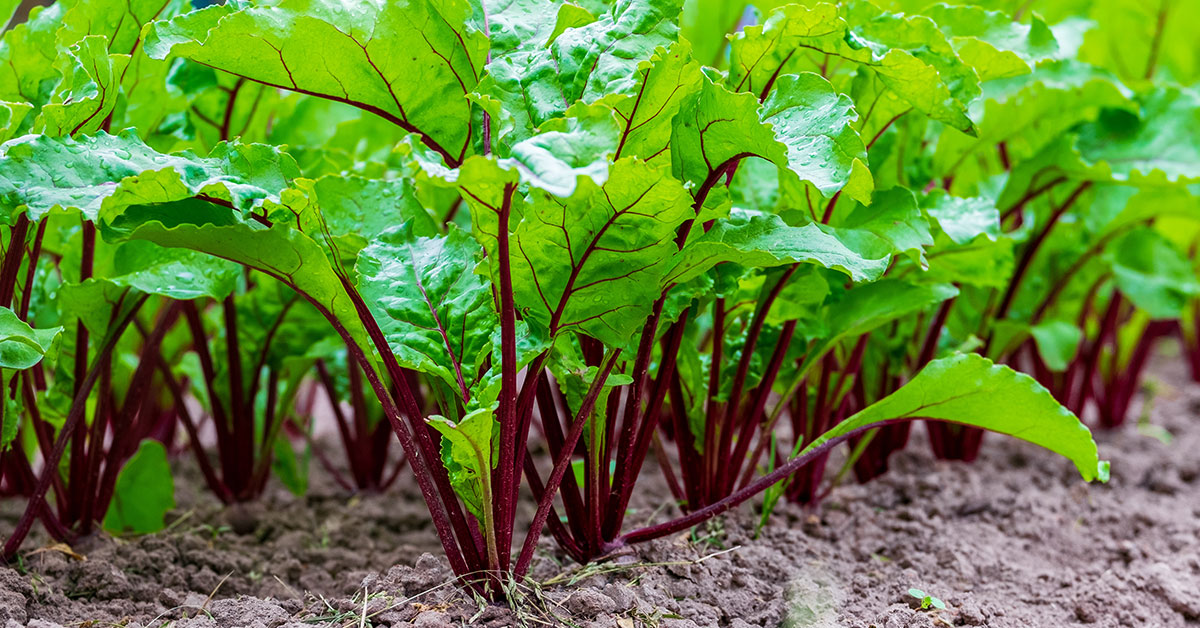

Cylindra Beet is known for its elongated shape and rich earthy flavor, this lesser-known variety has been gaining popularity among gardeners and food enthusiasts alike.
We will talk about Cylindra Beets, exploring their origins, optimal growing conditions, planting techniques, and tips for a bountiful harvest.
What is a Cylindra Beet?
Cylindra Beet, also known as the “Formanova” beet, is a cylindrical-shaped beetroot with a deep red color. It belongs to the species Beta vulgaris and is a variety of beet that has been cultivated for centuries. While its exact origins are unknown, beets in general are believed to have originated in the Mediterranean region and were later introduced to Europe and other parts of the world.
One of the most distinguishing features of Cylindra Beet is its shape. Unlike traditional round beets, Cylindra Beet takes on a cylindrical form, growing up to 6-8 inches long and 2-3 inches in diameter. This unique shape makes it easier to slice and dice, making it a popular choice for salads, roasting, and pickling.
Cylindra Beet offers a sweet and earthy flavor that is slightly milder compared to other beet varieties. Its tender and juicy flesh, along with its vibrant color, make it an excellent addition to various culinary preparations. Whether you prefer to enjoy it raw in salads, roasted as a side dish, or pureed into soups, the flavor of Cylindra Beet is versatile and pairs well with a range of ingredients.
Like all beets, Cylindra Beet is packed with essential nutrients. It is an excellent source of dietary fiber, providing digestive benefits and promoting a healthy gut. It is also rich in vitamins A and C, as well as minerals such as potassium and iron. Additionally, beets are known for their antioxidant properties, which can help reduce inflammation and support overall health.
What does a Cylindra Beet taste like?
When it comes to beets, the Cylindra Beet is a unique variety that stands out for its particular taste. Known for its elongated shape and deep red color, the Cylindra Beet offers a flavor that is both earthy and subtly sweet.
Unlike some other beet varieties that can have a strong, overpowering taste, Cylindra Beets are often described as having a milder and more delicate flavor. This makes them a great option for those who may be new to beets or prefer a less pronounced beet taste.
The earthy undertones of the Cylindra Beet provide a rich and complex flavor profile. It can be likened to the taste of freshly dug soil, which gives it a grounding and comforting quality. This earthiness is often complemented by a natural sweetness that adds depth to the overall flavor.
When cooked, Cylindra Beets retain their sweet and earthy flavor, making them a versatile ingredient in various dishes. Whether roasted, boiled, or pickled, Cylindra Beets maintain their unique taste while also absorbing the flavors of spices, herbs, and other ingredients they are cooked with.
The texture of the Cylindra Beet is also noteworthy. Its elongated shape lends itself well to slicing or dicing, making it perfect for adding to salads, soups, or even as a roasted side dish. When cooked, Cylindra Beets have a tender and slightly firm texture, providing a satisfying bite.
Overall, the taste of Cylindra Beets can be described as a harmonious combination of earthy notes and natural sweetness. This unique flavor profile, along with its versatility in the kitchen, makes Cylindra Beets a delightful addition to any meal.
How to start from seed
Starting Cylindra Beet from seed is an excellent way to ensure a successful harvest. Before you begin, it is important to choose the right seeds. Look for high-quality seeds that are specifically labeled as Cylindra Beet. These seeds are known for their cylindrical shape and deep red color.
Preparing the Soil: The next step in starting Cylindra Beet from seed is to prepare the soil. Beets prefer well-drained soil with a pH level between 6.0 and 7.5. Begin by removing any weeds or debris from the planting area. Loosen the soil using a garden fork or tiller to a depth of about 8-10 inches. This will ensure that the beet roots have enough room to grow.
Sowing the Seeds: Once the soil is prepared, it is time to sow the seeds. Cylindra Beet seeds should be planted about 1 inch deep, spaced 2-3 inches apart. It is recommended to create rows that are approximately 12-18 inches apart to allow for easy access and proper growth. Gently cover the seeds with soil and lightly press down to ensure good seed-to-soil contact.
Watering and Care: Watering is crucial during the germination and growth stages of Cylindra Beet. Keep the soil consistently moist but not waterlogged. Beets can be sensitive to overwatering, so it is important to strike a balance. Water deeply once or twice a week, depending on the weather conditions and the moisture level of the soil. Mulching around the plants can help retain moisture and control weeds.
Thinning and Transplanting: As the seedlings emerge and grow, they will need to be thinned to allow for proper spacing. Once the seedlings have reached a height of about 2-3 inches, thin them to a spacing of 4-6 inches apart. This will give the remaining plants enough room to develop into full-sized beets. The thinned seedlings can be transplanted to another area if desired.
Fertilizing: Cylindra Beets are heavy feeders and require regular fertilization for optimal growth. About three weeks after planting the seeds, apply a balanced fertilizer according to the package instructions. Repeat this process every four to six weeks throughout the growing season. Be sure not to over-fertilize, as this can lead to excessive leaf growth and smaller roots.
Harvesting: Cylindra Beets are typically ready for harvest 60-70 days after sowing the seeds. The beets should be around 6-8 inches long and have a deep red color. To harvest, gently loosen the soil around each beet with a garden fork and carefully lift them from the ground. Remove the tops, leaving about an inch of the stem intact, as this helps the beets stay fresh longer.
How to grow this vegetable in your garden
This vegetable is known for its sweet flavor and tender texture, making it a popular choice among beet enthusiasts. If you’re interested in growing your own Cylindra beets, these instructions will guide you through the process, providing you with helpful tips and insights.
- Selecting and Preparing the Soil:
Before starting your Cylindra beet growing journey, it’s crucial to choose the right soil for optimal growth. Beets prefer well-drained soil with a pH level between 6.0 and 7.5. Ensure that the soil is rich in organic matter and free from rocks, as they can hinder root development. Before planting, loosen the soil and remove any weeds or debris from the area. - Planting Cylindra Beet Seeds:
Cylindra beet seeds can be sown directly into the garden bed or started indoors and later transplanted. If you choose to start indoors, sow the seeds in biodegradable pots 4-6 weeks before the last frost date. Plant the seeds 1-2 inches deep and keep the soil consistently moist until germination occurs. Once the seedlings have developed their first true leaves, they can be transplanted into the garden bed, spacing them 3-4 inches apart. - Watering and Fertilizing:
Beets require regular watering to thrive. Keep the soil consistently moist, but not waterlogged, throughout the growing season. Be cautious not to let the soil dry out completely, as this can lead to smaller and less flavorful beets. Apply a balanced fertilizer or organic compost to the soil before planting, and consider side-dressing with nitrogen-rich fertilizer as the beets mature to encourage leafy growth. - Thinning and Mulching:
Once the seedlings have emerged, thin them out to ensure proper spacing. Thin the plants to one every 3-4 inches, as overcrowding can result in stunted growth. Mulching around the plants will help retain moisture, suppress weed growth, and provide temperature regulation. Use organic mulch, such as straw or wood chips, and apply it around the beets, leaving a small space around the base of the plant for air circulation. - Harvesting Cylindra Beets:
Cylindra beets are typically ready for harvest around 55-70 days after planting, depending on the desired size. The elongated shape of Cylindra beets makes them easy to identify when they are ready to be harvested. Gently pull the beets out of the soil, being careful not to damage the roots. Harvest them when they reach a desired size, usually around 6-8 inches long. Remember to remove the leafy tops, leaving about an inch of stem attached to the beet.
Growing your own Cylindra beets can be a rewarding experience. By following these steps for soil preparation, planting, watering, fertilizing, thinning, mulching, and harvesting, you’ll be well on your way to enjoying this unique and delicious variety of beet straight from your garden.