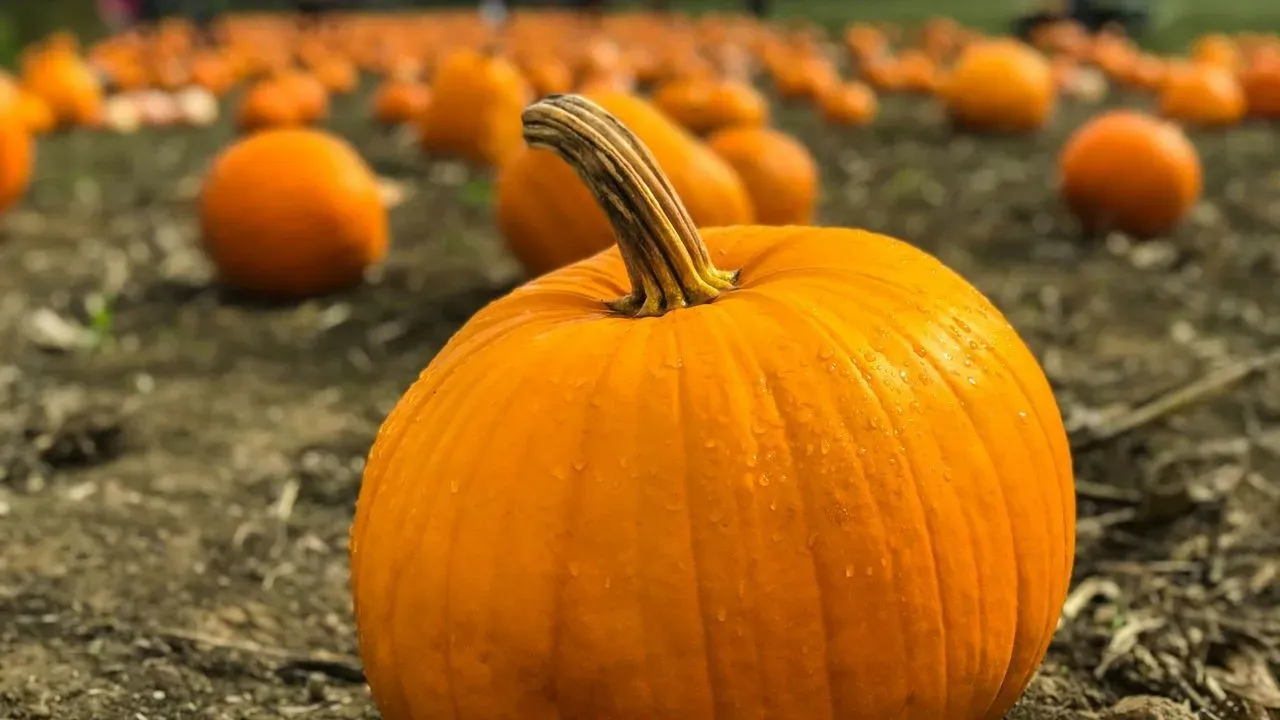

Gardeners who time their pumpkin harvest correctly and follow a short curing step often enjoy fresh fruit well into the following spring. The process relies on natural hardening of the rind rather than special equipment or chemicals. Many homegrown pumpkins and winter squashes can remain usable for three to six months when handled properly after picking. ([1])
Recognizing Maturity in the Field
Winter squashes typically reach harvest readiness between early September and mid-October in most regions. At that point the vines begin to yellow and the stems turn tan and dry. A fingernail pressed against the rind should leave only a slight dent rather than puncturing through to the flesh.
Frost damage ruins storage potential, so fruit should be gathered before any hard freeze arrives. Leaves and tendrils that fade on their own provide a reliable visual cue that the squash has finished developing on the vine. Varieties that still show green skin or soft stems are usually not ready and will not keep well later.
Handling the Harvest With Care
Each pumpkin or squash is cut from the plant with at least three inches of stem attached. The stem acts as a natural barrier against rot and disease, so the fruit is lifted from underneath rather than by the stem itself. Minor surface marks from contact with the ground are common and do not affect the interior quality.
Any fruit showing bruises, cracks, or soft spots should be set aside for immediate use. These imperfections tend to worsen during storage and can spread problems to nearby sound specimens. Gentle treatment at this stage helps the rind continue to toughen without new injuries.
The One-Week Curing Step
After harvest, pumpkins benefit from a brief period of warm, well-ventilated conditions that harden the outer skin and slow respiration. Ideal temperatures range from 80 to 85 degrees Fahrenheit with high humidity, though many gardeners achieve good results by placing the fruit in the warmest available outdoor spot or a sheltered indoor area. Direct sun is helpful but not required, and the fruit must stay dry throughout.
The curing period usually lasts about seven days. During this time the rind becomes more resistant to mold and bacteria while starches inside gradually convert to sugars. Certain varieties, including butternut and kabocha types, continue to improve in flavor for several additional weeks after curing is complete.
Not every winter squash requires this step. Members of the Cucurbita pepo group, such as acorn and delicata, can lose storage life if cured and are best eaten within two or three months of harvest without the extra treatment.
Long-Term Storage Practices
Once cured, the fruit moves to a cool, dry location kept between 50 and 60 degrees Fahrenheit with moderate humidity. Single-layer placement on shelves allows regular inspection for any developing soft spots or dark marks. Prompt removal of affected pieces protects the rest of the crop.
Storage life varies by variety and rind thickness. Thicker-skinned types such as hubbard or kabocha often remain sound for four to six months, while thinner-skinned options last closer to two or three. Refrigeration is unnecessary and shortens usable time for whole fruit.
Practical Outcomes for Home Growers
A modest planting of winter squash can supply soups, roasts, and side dishes from fall through early spring when curing and storage are managed carefully. The same principles apply whether the harvest comes from a backyard garden or a small community plot. Attention to timing and handling at the start of the season determines how much of the crop remains usable months later.
AI Disclaimer: This article was created with the assistance of AI tools and reviewed by a human editor.