

There’s a particular kind of person who will refresh an online nursery’s restock page at seven in the morning, credit card in hand, for a single leaf cutting that costs more than a decent dinner out. That person is a rare variegated plant collector, and their numbers have been quietly growing into a genuine cultural force.
There is a significant and growing market for rare, variegated, and unique plants, driven by collectors and those seeking statement pieces. What started as a niche corner of the houseplant hobby has become something far more layered, touching on identity, aesthetics, science, and the very human desire to own something nobody else has.
You See Beauty Where Others Just See a Leaf
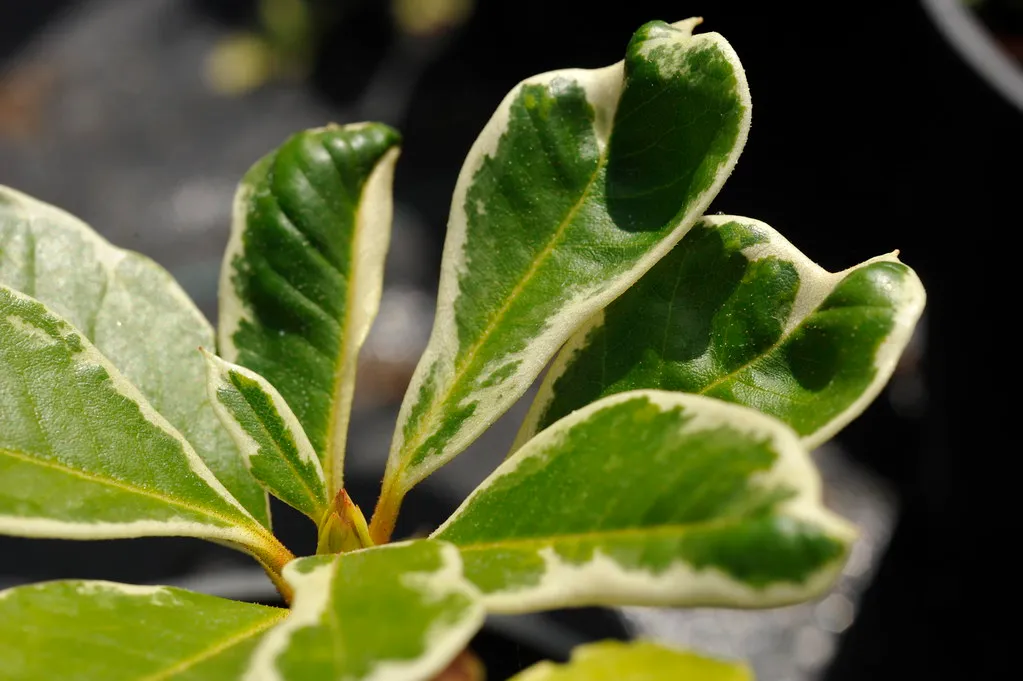
The fascination with variegated leaves, those with multiple colors, marbling, or stripes, shows no real sign of waning. Variegated plants deliver stunning pops of pattern and visual intrigue without requiring blooms. There’s a quiet confidence in that preference: you don’t need a flower to make something beautiful.
With certain varieties, vibrant green leaves are dramatically splashed with yellow variegation, and no two leaves are alike, making each specimen a living work of art. Collectors tend to notice this. They’re the type of person who pauses at texture, at the way light falls on a surface, at irregularity rather than perfection.
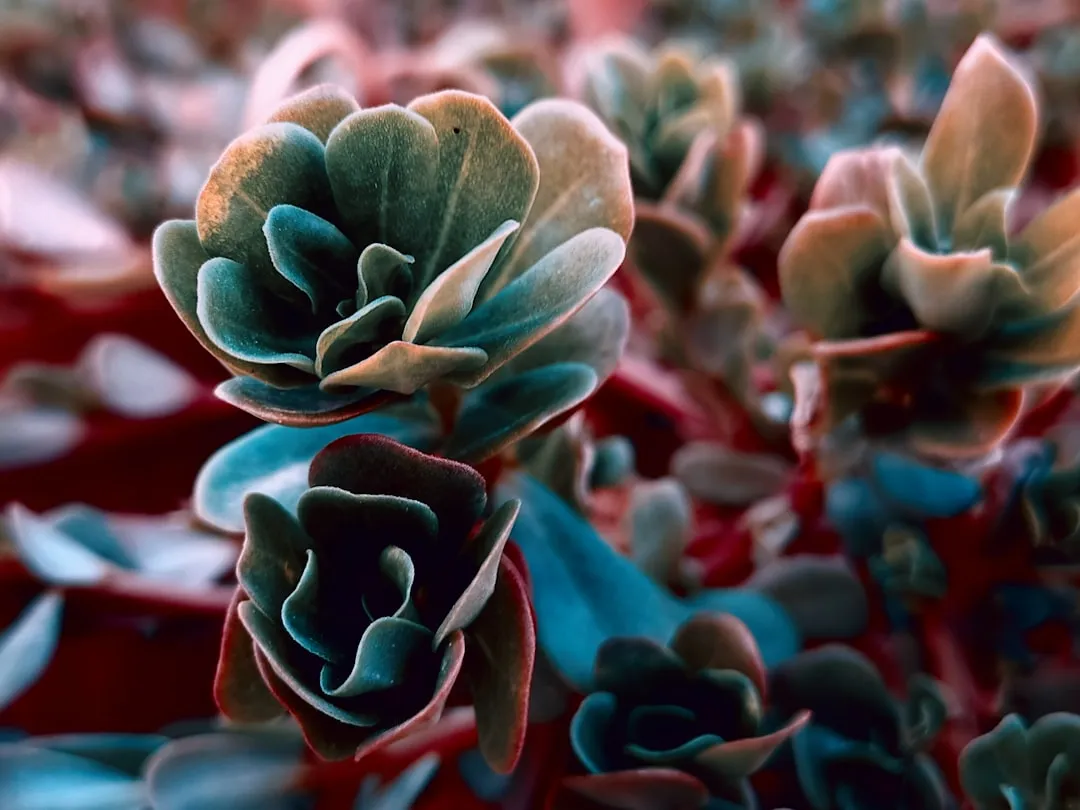
Beyond classic greens and variegated whites, collectors clamor for unique foliage hues, especially reds, pinks, and dramatic near-blacks. It’s a sensibility that runs deeper than interior decoration.
You’re Part of a Market That Has Genuinely Exploded
According to several recent industry analyses from major market research firms, the global indoor plant market was valued at approximately 20 to 21 billion dollars in 2025. That’s not a hobbyist figure. That’s an industry.
Online platforms are expected to grow at a compound annual growth rate of over ten percent through 2031, significantly faster than the overall market. The rare plant corner of that world is pulling a disproportionate share of the energy and attention.
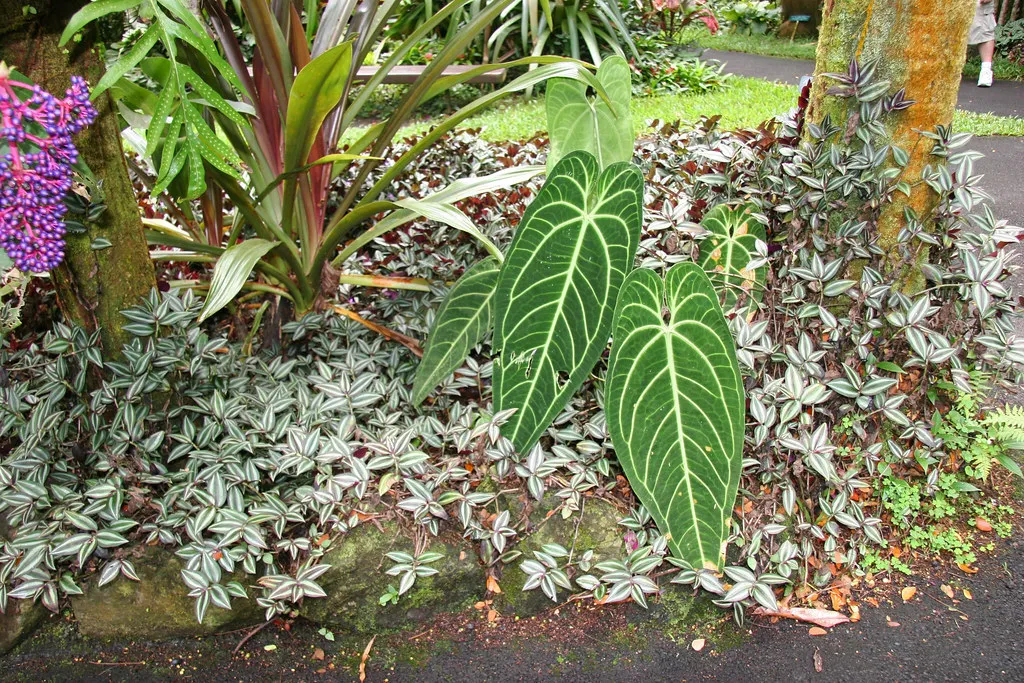
Collector plants such as variegated monsteras, dark-leaf philodendrons, and velvet-leafed anthuriums are the rage, sometimes fetching prices in the hundreds of dollars, instead of the cheap and basic peace lilies and snake plants of previous eras. The hobby has quietly developed its own premium tier.
You Belong to a New Generation of Status Seekers

In an era of mass production and fast consumption, younger buyers, especially Gen Z and millennials, turn to curated plant collections as a way to assert individuality and invest in something meant to last. It’s a form of self-expression that has almost nothing to do with trends for the sake of trends.
The new status plant draws value not just by how it looks, but by its rarity, documented origin, and the story it carries home. Provenance matters here just as it does with wine, art, or vintage clothing.
Limited drops sell out within minutes, and screenshots of confirmed orders circulate like trophies. What once felt like a quiet hobby now moves at the pace and with the pride of a collector’s market. The social layer of it is real and intentional.
You Have Strong Opinions About Tissue Culture
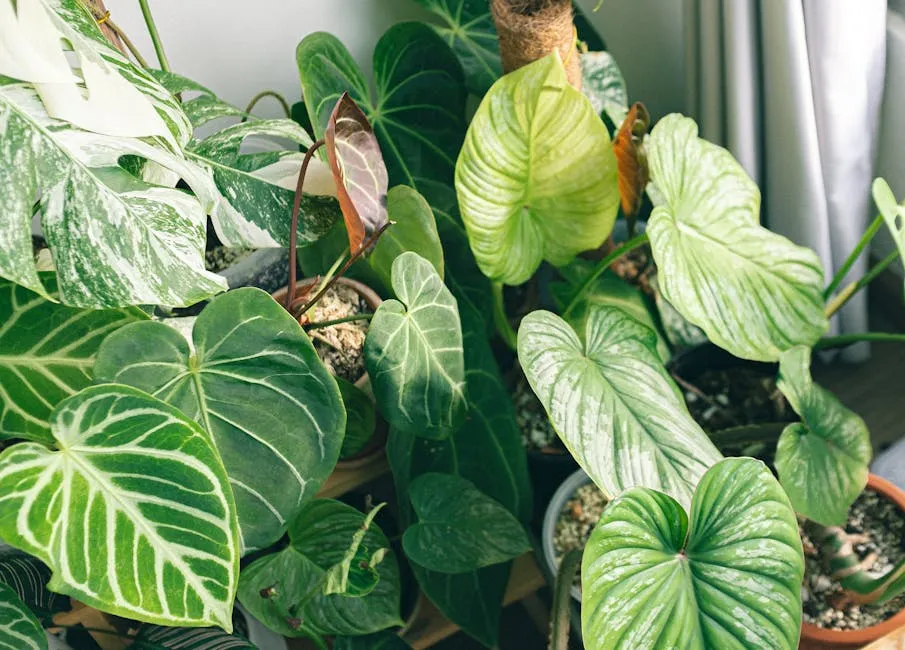
Tissue culture makes rare plants more affordable and widely available. By cloning a single specimen hundreds or thousands of times, growers can meet collector demand without depleting wild populations. That’s a genuine conservation benefit, not just a commercial one.
The Monstera Thai Constellation is one of the best examples of this: a plant that was prohibitively expensive five years ago is now within reach for serious collectors because of tissue culture. For many collectors, that accessibility is welcome. For some purists, it’s complicated.
As tissue culture increases availability, certain plants may lose their rarity-driven value. While this benefits accessibility, it can impact collector markets focused on exclusivity. Your stance on that tension probably reveals a lot about your collecting philosophy.
You Understand That Some Plants Will Always Cost a Fortune
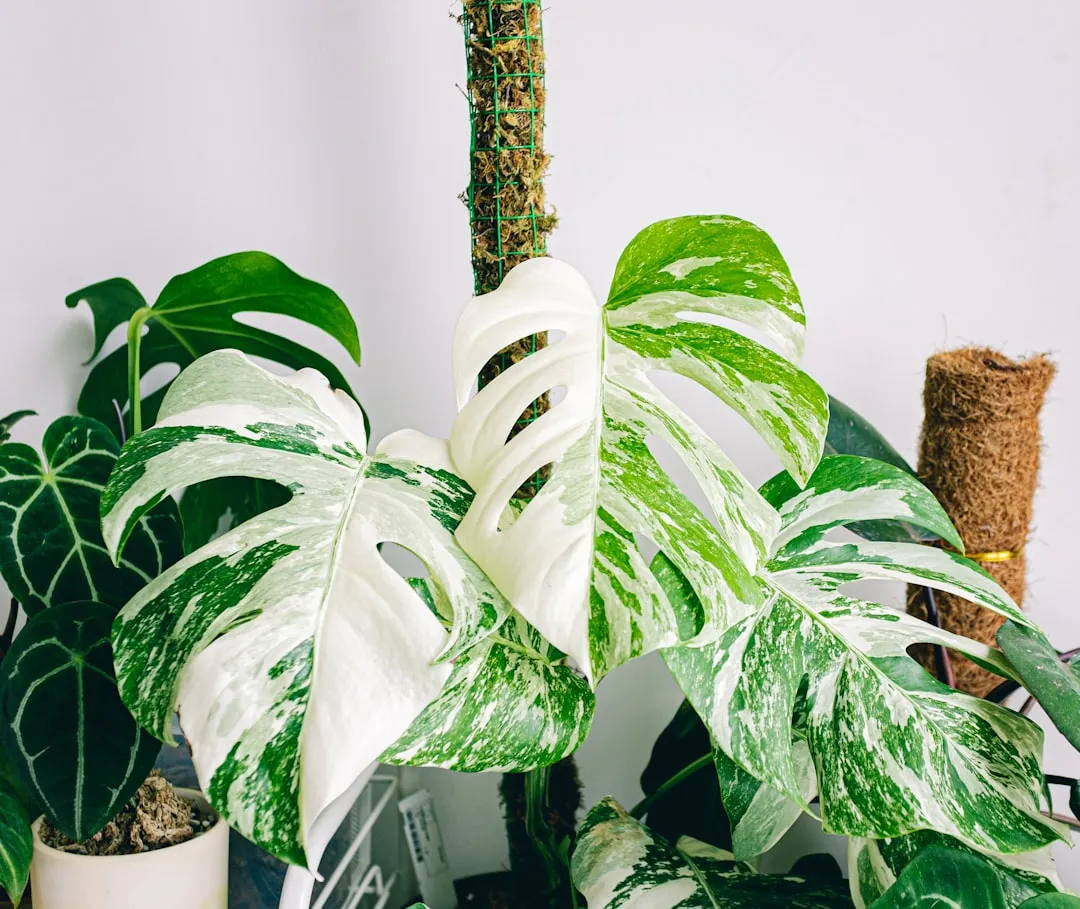
Variegated monsteras, for example, are chimeral and grow incredibly slowly. A cutting can take two years to develop into a sellable plant. Tissue culture hasn’t been successful at maintaining the variegation pattern. Every plant has to come from a cutting, and every cutting is a risk.
Because variegated plants grow slower due to reduced photosynthesis, it takes longer to get a cutting-ready plant in the first place. A regular pothos might give you multiple cuttings in six months. A variegated pothos might take a year or more to produce the same amount of propagation material.
Prices stay elevated not because sellers are greedy, but because production is genuinely difficult and time-consuming. The collector who truly understands this has done their homework and respects the biology behind the price tag.
You Follow a Wish List Like Other People Follow a Bucket List
Garden Media Group’s trend report places collecting at the center of the conversation, and certain windows of the year become the moment when enthusiasts trade cuttings, secure preorders, and map out wish lists. For dedicated collectors, the wish list is a living document.
For many buyers, the thrill now starts long before checkout, as they track release dates and compare lineage details in online forums. Limited drops sell out within minutes. There’s genuine anticipation involved, not unlike waiting for tickets to something rare.
Sought-after specimens include Variegated Anthurium Warocqueanum, Philodendron Spiritus Sancti, Monstera Esqueleto, Philodendron El Choco Red, Variegated Euphorbia, Hoya Callistophylla, and Syngonium Mojito. Each name on that list carries its own lore within collector communities.
Your Collection Is Part of Your Online Identity
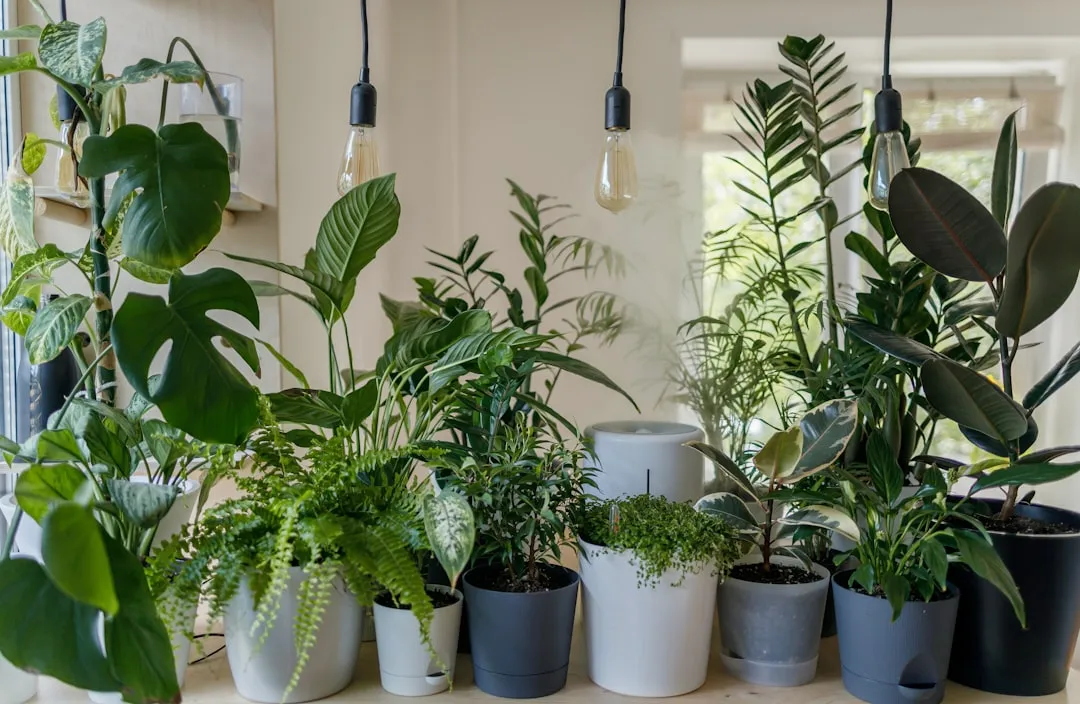
Collectors use plants to express personal taste, whether that means lining a shelf with variegated aroids or designing a space around compact statement foliage. As photos circulate, plant collecting becomes part of online identity, with each tagged cultivar showing preference and knowledge.
Social platforms have turned plants into lifestyle signifiers, as short-form videos and curated feeds elevate rare foliage and creative planters to viral status. The resulting peer-to-peer influence migrates from homes into co-working hubs, cafes, and boutique hotels. The aesthetic has legs beyond the windowsill.
A survey of over a thousand people who buy houseplants found that social media is causing a big increase in demand. The loop between online community and purchase behavior is hard to ignore at this point.
You Know How to Spot a Fraud Cutting
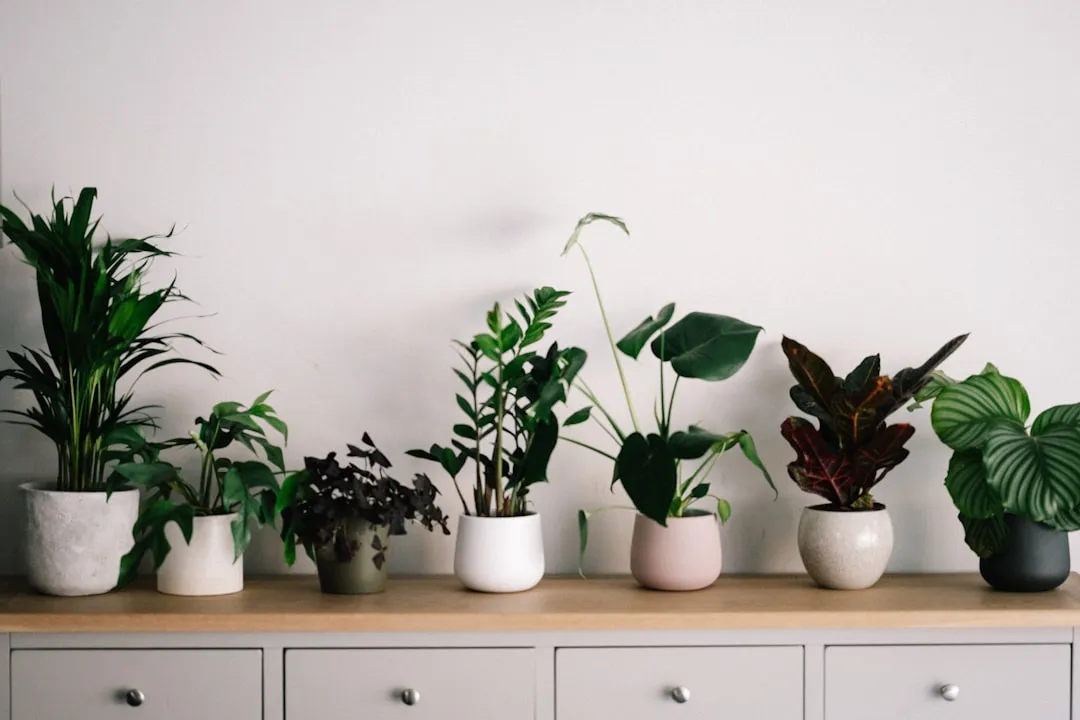
Collectors seek stable variegation, not random mutations that may revert to green. As a result, reputable sellers often disclose whether a plant was tissue cultured or propagated from a known mother plant. That knowledge separates the serious collector from the casual buyer.
The speed of online sales carries risks, as consumer protection agencies report periodic complaints about counterfeit cuttings and misidentified cultivars sold online. Experts advise buyers to request clear photos, confirm botanical names, and review seller histories before completing a transaction.
The U.S. Patent and Trademark Office maintains a database that includes thousands of patented ornamental plants. Since patents give breeders exclusive rights for 20 years from the filing date, availability can remain limited, and prices often stay high when demand spikes. Knowing how to cross-check that database is a collector skill worth having.
You’re Drawn to Plants That Are Literally Alive With Science
Expect to see more new and exciting plant varieties, particularly hybrids and variegated forms, becoming available through advancements in tissue culture. The science behind what you’re collecting is genuinely interesting, not just decorative.
Highly sought-after forms such as Alocasia Black Velvet Albo and Anthurium Ace of Spades Variegated can be reliably multiplied in quantity through tissue culture, making these species accessible to collectors who would otherwise wait years for a cutting.
Their unique color combinations require selective breeding or tissue culture, making them more expensive to produce and slower to propagate. As demand has increased, so have prices. You’re essentially collecting the results of years of horticultural research.
You’re Quietly Building Something That Has Lasting Personal Value
Plant parenting has emerged as a genuine identity category. A survey of two thousand American millennials found that roughly seven in ten identified as plant parents, for whom taking care of plants involves an emotional commitment almost comparable to parenting children. The emotional investment is real and widely shared.
In this climate, the new status plant draws value not just by how it looks, but by its rarity, documented origin, and the story it carries home. Every plant in a serious collection has a story: where it came from, how long the waitlist was, how carefully it was acclimated.
The demand for plants that stand out is driving a new wave of enthusiasm among plant lovers, making each collection a testament to individuality. There’s something genuinely meaningful about that, in a world where most things are easily replicated.
Conclusion
Rare variegated plant collectors are, at their best, patient, curious, visually literate people who have found a hobby that rewards both knowledge and care. The market data confirms that this corner of the plant world is not a passing phase.
What your collection says about you is ultimately pretty straightforward: you find value in things that take time, that resist easy reproduction, and that look unlike anything else on the shelf. In a world optimized for speed and sameness, that’s a quiet and genuine form of resistance.
AI Disclaimer: This article was created with the assistance of AI tools and reviewed by a human editor.