

There’s nothing quite like the burst of color and life these resilient bulbs bring as they push through frosty soil. Crocuses not only signal that warmer days are ahead, but they also create a magical tapestry that attracts beneficial insects and adds a touch of nature’s artistry to your landscape.
Throughout my gardening adventures, I’ve learned that crocuses are a perfect blend of beauty, hardiness, and ecological benefits. Native to Europe, Asia, and North Africa, these delightful plants are non-invasive and require minimal maintenance—qualities that make them ideal for even novice gardeners. Their early blooms often serve as a haven for bees and other pollinators, and sometimes even offer tiny micro-nests for nature’s helpers.
Aesthetic Appeal and Seasonal Impact
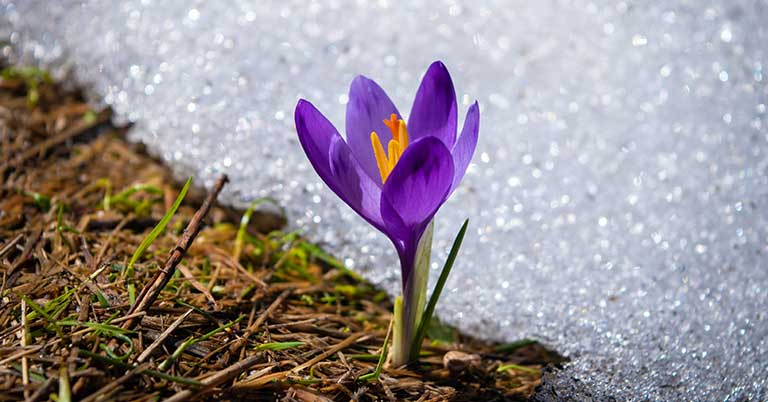
Crocuses are a visual delight that transform dull winter gardens into vibrant landscapes with their vivid hues of purple, yellow, white, and even bi-colored blooms! These little wonders push through the cold soil in late winter or early spring, creating an instant splash of color that signals the arrival of warmer days. I’ve always been fascinated by the way their delicate petals contrast beautifully with the bare ground, adding an almost ethereal quality to the landscape. Their presence not only enhances the overall aesthetics but also serves as a natural reminder that life endures even in harsh conditions!
Beyond their sheer beauty, crocuses play a significant role in setting the seasonal tone for the garden. Their early appearance encourages gardeners and nature lovers alike to look forward to a season of growth and renewal. When I see a carpet of crocuses, it feels like nature is inviting me to celebrate the change in seasons with hope and excitement! Their timely blooms create a natural focal point that blends seamlessly with other spring perennials, making them indispensable for any year-round garden design.
Ecological and Pollinator Benefits
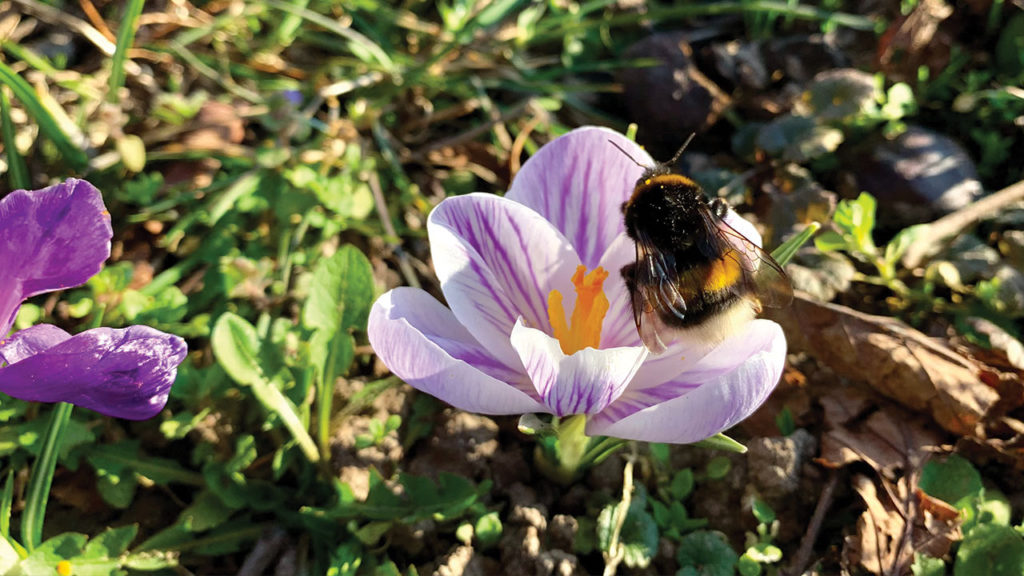
Crocuses are not only stunning; they’re also ecological powerhouses that support a healthy garden ecosystem. Native to regions in Europe, Asia, and North Africa, these bulbs are perfectly adapted to survive winter’s chill and emerge early in the season, providing vital nectar for bees and early pollinators. I’ve noticed that when crocuses bloom, small bees and even solitary wasps are drawn to their vibrant flowers, sometimes even using the natural crevices for brief nesting or foraging stops—a wonderful bonus for those who value biodiversity!
Moreover, crocuses’ non-invasive nature means they coexist harmoniously with other garden plants, maintaining the natural balance without overpowering the space. Their early nectar production plays a crucial role in supporting pollinator populations at a time when few other flowers are available. This mutual benefit not only enhances the garden’s productivity but also contributes to the overall health of the local ecosystem. For gardeners passionate about sustainable practices, crocuses are an ecological gem that bolsters nature’s own cycles!
Easy Maintenance and Non-Invasiveness
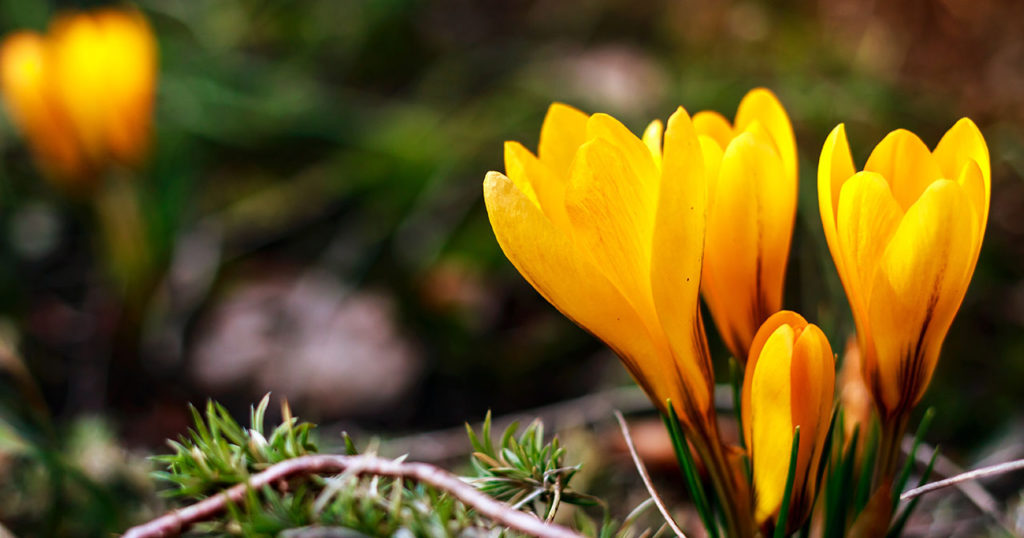
One of the reasons I’m so enthusiastic about crocuses is their incredibly low-maintenance nature. These resilient bulbs are designed to flourish in challenging conditions with minimal intervention, making them perfect for busy gardeners and first-timers alike! Once planted, crocuses require little more than a well-drained spot and a little seasonal care, and they naturally self-regenerate year after year without crowding out other plants—a relief for anyone who’s ever struggled with invasive species in their garden.
Their non-invasive behavior means that crocuses provide brilliant color and ecological benefits without the worry of overgrowth or unwanted spreading. This ease of care allows you to enjoy a pristine, well-organized garden where each bloom can shine. For those frustrated by plants that demand constant attention or take over garden spaces, crocuses offer a delightful, hassle-free solution that rewards you with annual bursts of color and life!
Native Heritage and Botanical Characteristics
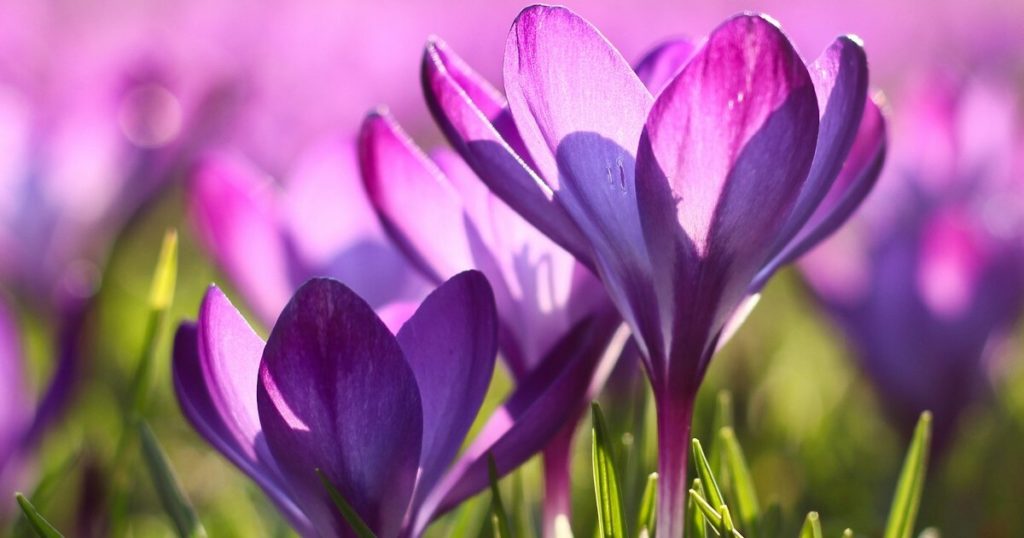
Crocuses have a rich botanical heritage, with species native to various regions including Europe, Asia, and North Africa. Their long history in these regions means they are well-adapted to a range of climates, particularly the cool, wet winters and dry summers characteristic of their natural habitats. I’m continually inspired by the rugged resilience of these plants; their ability to emerge from frozen ground is nothing short of miraculous! Their slender, grass-like leaves and cup-shaped blooms add a touch of refined elegance to any garden setting.
From a botanical perspective, crocuses are fascinating due to their unique reproductive cycle and natural dormancy period. They are among the first flowers to bloom each spring, setting the stage for a season of growth and renewal. This early emergence not only provides vital food for pollinators but also contributes to a dynamic ecosystem where even the smallest insects can find shelter and nesting sites. For gardeners who appreciate both beauty and scientific wonder, crocuses offer an endless source of inspiration and joy!
Tips for Planting and Growing More Crocuses
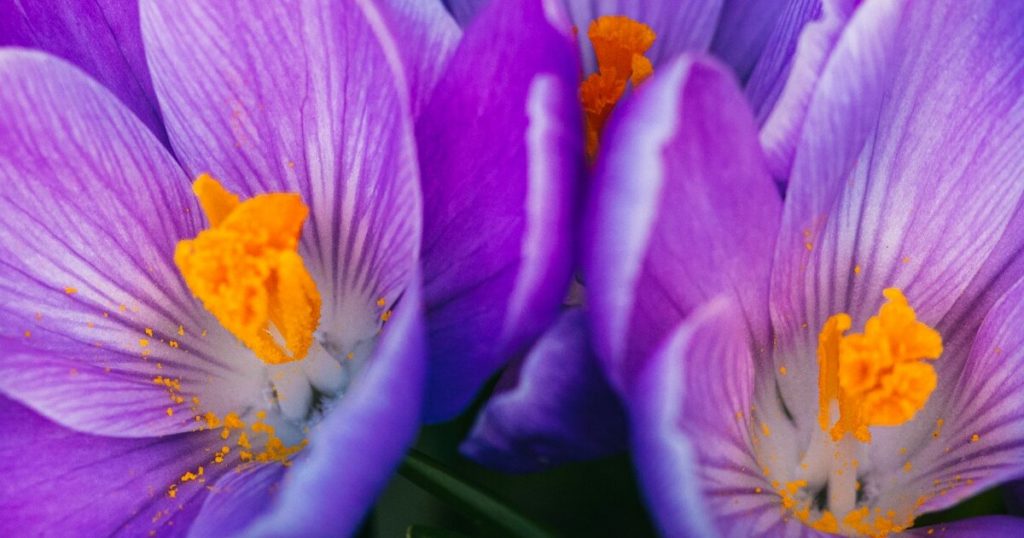
If you’re considering adding more crocuses to your garden, here are a few tips from my own experiences that can help ensure success. These bulbs should be planted in well-drained soil and in areas that receive plenty of sunlight—conditions that mimic their native habitats. I always recommend planting them in clusters to create a natural, cascading effect that not only looks beautiful but also improves their survival rate by attracting more pollinators! Additionally, it’s important to give them a little space so that each plant has room to expand without competition.
Once established, crocuses are incredibly forgiving, but a little care goes a long way. Mulching lightly over the planted area can help retain moisture and regulate soil temperature during the transition from winter to spring. I’ve found that leaving the foliage undisturbed after flowering allows the bulbs to gather energy for the next season, ensuring a robust display year after year. For those who love a low-maintenance yet enchanting garden, following these simple tips will help you enjoy the full magic of crocuses for many springs to come!