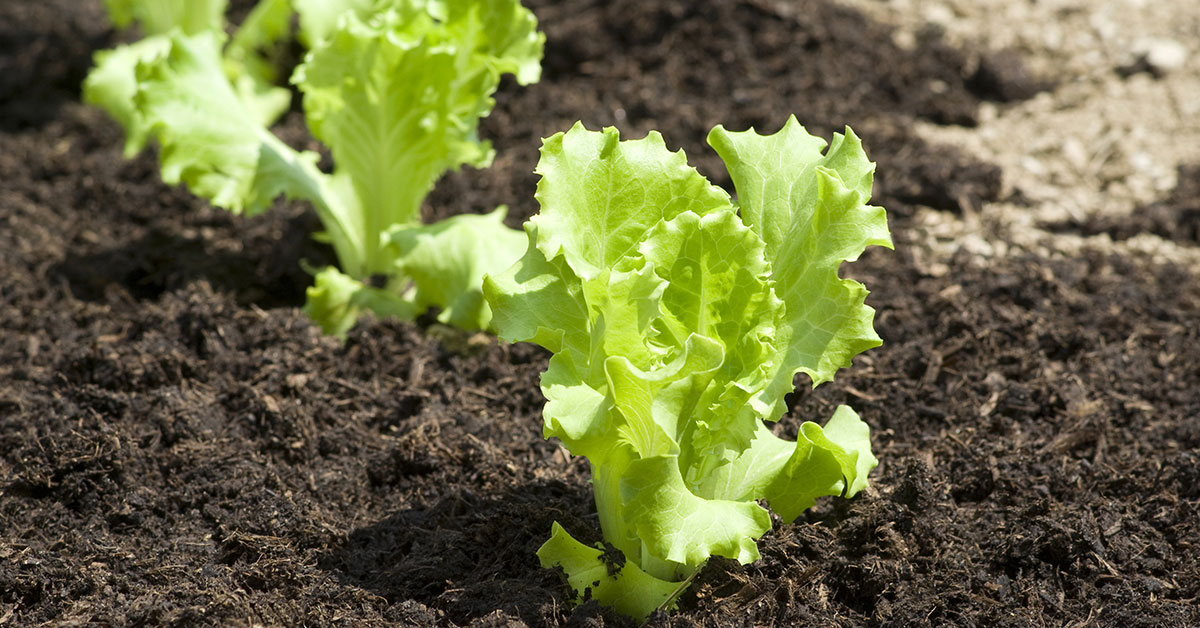

Crisphead lettuce, also known as iceberg lettuce, is a popular variety prized for its crisp texture and refreshing taste. Whether you’re a seasoned gardener or a beginner with a green thumb, growing your crisphead lettuce can be a rewarding and fulfilling experience.
We will focus on crisphead lettuce cultivation, providing you with valuable insights, tips, and tricks to help you grow this delightful leafy green in your backyard.
What is Crisphead Lettuce?
Crisphead lettuce belongs to the lettuce family, scientifically known as Lactuca sativa. It is characterized by its tightly packed, round-shaped head with crisp, pale green leaves. The name “iceberg lettuce” comes from the fact that it was historically transported in ice to keep it fresh during long journeys. Its dense structure and ability to retain moisture contribute to its popularity as a salad ingredient.
Crisphead lettuce stands out for its unique appearance. The heads are tightly packed, with the outer leaves forming a protective layer around the inner, more tender leaves. The leaves are thick and crunchy, with a juicy, watery texture. The color of crisphead lettuce can vary from pale green to light yellow, and it often has a mild, slightly sweet flavor.
It is widely cultivated and available throughout the year. It grows best in cooler climates, as excessive heat can cause the heads to bolt or turn bitter. This lettuce variety requires well-drained soil and regular watering to ensure optimal growth. It is often harvested when the heads are firm and compact, typically around 70-90 days after planting.
While crisphead lettuce is low in calories, it is also relatively low in nutritional content compared to other lettuce varieties. It contains small amounts of vitamins A, C, and K, as well as some dietary fiber and minerals such as potassium and calcium. However, it is important to note that crisphead lettuce primarily serves as a refreshing and hydrating addition to meals rather than a significant source of nutrients.
What does Crisphead Lettuce taste like?
When it comes to lettuce varieties, Crisphead Lettuce is one of the most popular choices. This lettuce variety is known for its crisp texture and refreshing taste, making it a favorite among salad enthusiasts and sandwich lovers alike. If you’ve ever wondered what Crisphead Lettuce tastes like, read on to discover its unique flavor profile.
Crisphead Lettuce, also commonly referred to as Iceberg Lettuce, has a mild and subtly sweet taste. Its flavor is delicate and refreshing, making it a great base for salads and a perfect complement to other ingredients. The mildness of Crisphead Lettuce allows it to take on the flavors of dressings and toppings, making it a versatile choice for various culinary creations.
The crisp texture of Crisphead Lettuce adds an enjoyable crunch to any dish. With its tightly packed leaves, biting into a fresh leaf of Crisphead Lettuce releases a satisfying crunch that is often associated with this lettuce variety. This delightful crunch is one of the reasons why Crisphead Lettuce is a popular choice for sandwiches and burgers, adding a refreshing texture to every bite.
While some lettuce varieties have a slightly bitter or peppery taste, Crisphead Lettuce is known for its mildness and lack of bitterness. This makes it a favorite among those who prefer a milder flavor in their salads or wraps. Its neutral taste makes it an excellent canvas for various flavors, allowing the other ingredients in a dish to shine.
When it comes to nutrition, Crisphead Lettuce is low in calories and high in water content, making it a hydrating and guilt-free choice for those watching their calorie intake. While it may not be as nutrient-dense as darker leafy greens like spinach or kale, Crisphead Lettuce still provides essential vitamins and minerals, such as vitamin K, vitamin A, and folate.
How to start from seed
If you’re a fan of fresh, crunchy salads, then growing your crisphead lettuce is a must. These instructions will guide you through the process of starting crisphead lettuce from seed, so you can enjoy a bountiful harvest of this delicious and nutritious green.
- Choosing the Right Seeds:
The first step is to select the right seeds. Look for reputable seed suppliers or visit your local garden center to find a variety specifically labeled as crisphead lettuce. It’s essential to choose quality seeds that are fresh and viable for successful germination. - Preparing the Soil:
Crisphead lettuce thrives in well-draining soil that is rich in organic matter. Begin by preparing the soil in your garden bed or container. Loosen the soil with a garden fork or tiller to a depth of around 6 inches. Remove any rocks, weeds, or debris and incorporate compost or well-rotted manure to improve the soil’s fertility and moisture-holding capacity. - Sowing the Seeds:
These seeds are tiny, so it’s crucial to sow them thinly and evenly. Create shallow furrows in the prepared soil, about a quarter of an inch deep. Space the furrows at least 12 inches apart to allow the lettuces to grow without crowding each other. Gently sprinkle the seeds along the furrows and cover them with a thin layer of soil or compost. - Watering and Care:
After sowing the seeds, water the soil gently to ensure proper hydration. Keep the soil consistently moist throughout the germination period, which usually takes around 7 to 14 days. Avoid overwatering, as excessive moisture can lead to rot or fungal diseases. As the seedlings emerge, thin them out, leaving the healthiest and strongest ones with enough space to grow. - Providing Optimal Growing Conditions:
Crisphead lettuce prefers cool temperatures, so it’s ideal to grow it in spring or fall when the weather is mild. Ensure your lettuce plants receive at least 6 hours of direct sunlight daily. If you’re growing in warmer regions, consider providing some shade during the hottest part of the day. - Managing Pests and Diseases:
Like any other garden plant, crisphead lettuce is susceptible to pests and diseases. Keep an eye out for common pests such as aphids, slugs, and snails, and take appropriate measures to control their population. Regularly inspect your plants for signs of diseases like lettuce mosaic virus or fungal infections, and promptly address any issues to prevent the spread.
How to grow this veggie in your garden
Crisphead lettuce is a popular choice for salads due to its crisp and refreshing texture. If you’re interested in growing your crisphead lettuce at home, follow these simple steps to ensure a successful harvest.
- Choose the Right Variety:
Before you begin growing crisphead lettuce, it’s important to select the right variety. Look for varieties that are known for their compact heads and resistance to bolting, such as ‘Great Lakes’ or ‘Iceberg.’ These varieties are well-suited for home gardens and will produce delicious, crunchy heads of lettuce. - Prepare the Soil:
Crisphead lettuce thrives in well-draining soil that is rich in organic matter. Start by preparing the soil in your garden bed or containers. Remove any weeds or debris and loosen the soil to a depth of at least 6 inches. Incorporate compost or well-rotted manure to improve soil fertility. - Sow the Seeds or Transplants:
You have two options when it comes to starting crisphead lettuce: sowing seeds directly into the soil or using transplants. If you choose to sow seeds, plant them about 1/4 inch deep and space them 6-8 inches apart. If using transplants, carefully place them in the soil, ensuring that the crown of the plant is level with the soil surface. - Provide Adequate Water:
Lettuce plants require consistent moisture to grow properly, so be sure to water them regularly. Aim to keep the soil evenly moist but not waterlogged. Avoid overhead watering, as it can lead to disease issues. Instead, use a soaker hose or drip irrigation to deliver water directly to the soil. - Protect from Extreme Temperatures:
It prefers cool weather and can be sensitive to extreme temperatures. If you’re growing lettuce during the hot summer months, provide shade or use row covers to protect the plants from excessive heat. Similarly, if you’re growing lettuce in the colder months, consider using a cold frame or greenhouse to shield the plants from freezing temperatures. - Harvesting:
This plant typically takes around 70-90 days to reach maturity. When the heads feel firm and the outer leaves are tightly wrapped, it’s time to harvest. Use a sharp knife to cut the head off at the base, just above the soil line. If you prefer, you can also harvest individual leaves as they mature, allowing the plant to continue producing.