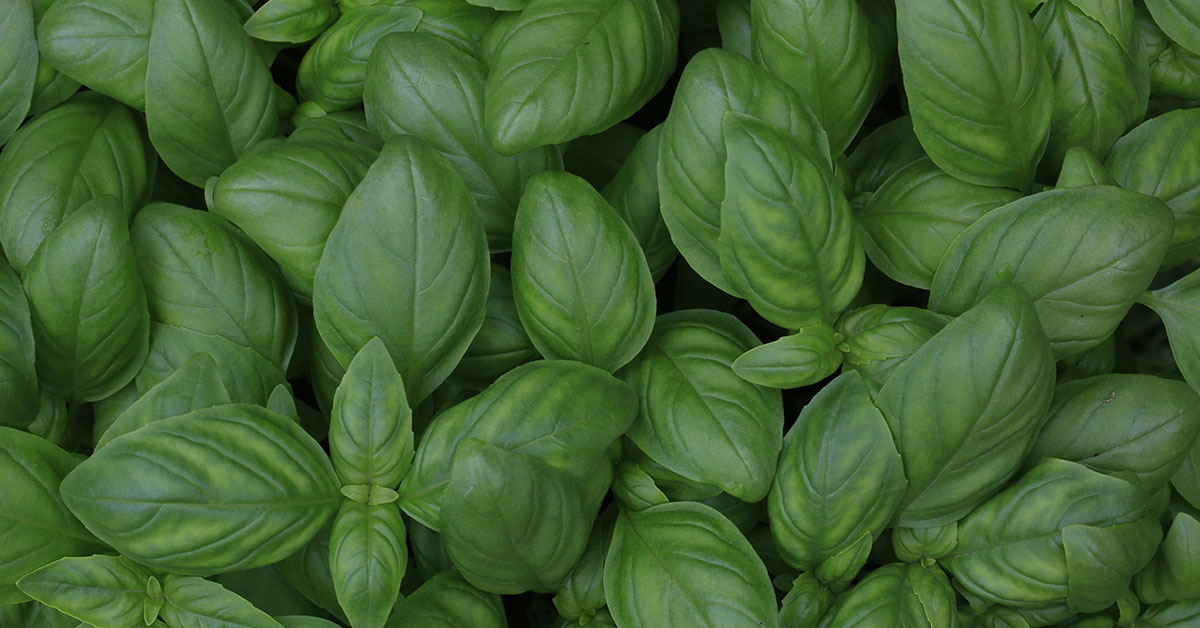

Winter often brings challenges for gardeners, especially when it comes to maintaining a thriving herb garden. The shorter days and colder temperatures can make it seem impossible to grow fresh herbs indoors, but with the right strategies, you can enjoy a lush and productive herb garden all winter long. Whether you’re a seasoned gardener or just starting out, creating an indoor herb garden can add both beauty and functionality to your home during the colder months.
Embarking on the journey of indoor winter gardening opens up a world of possibilities. Imagine having fresh basil, thyme, and rosemary at your fingertips, enhancing your culinary creations even when the weather outside is bleak. Not only do herbs add flavor to your dishes, but they also bring vibrant greenery and delightful aromas into your living space. Let’s explore the essential steps and tips to successfully cultivate a winter herb garden indoors, ensuring your herbs remain healthy, flavorful, and full of life throughout the season!
Choosing the Right Herbs for Winter Indoors

Selecting the appropriate herbs is the foundation of a successful indoor winter garden. Herbs like Basil (Ocimum basilicum), native to tropical regions of Asia, thrive in warm, sunny environments and can flourish indoors with sufficient light. While basil is not considered invasive, it requires regular watering and warmth to prevent it from wilting. Another excellent choice is Rosemary (Rosmarinus officinalis), native to the Mediterranean region. Rosemary is a hardy herb that prefers bright light and well-drained soil, making it ideal for indoor cultivation during the winter months.
Thyme (Thymus vulgaris), originating from Europe and Asia, is another superb option for indoor gardens. Thyme is non-invasive and enjoys full sunlight, making it a perfect candidate for sunny windowsills. Parsley (Petroselinum crispum), native to the Mediterranean, is also well-suited for indoor growing. It requires a bit more attention to watering and prefers slightly cooler indoor temperatures. By selecting a variety of herbs that complement each other in terms of light and care requirements, you can create a diverse and resilient indoor herb garden that remains productive throughout the winter.
Providing Adequate Lighting for Your Herb Garden

Lighting is a critical factor in the success of your indoor winter herb garden. Herbs need ample light to perform photosynthesis and grow robustly. Placing your herbs near south-facing windows is ideal, as these areas receive the most sunlight throughout the day. If natural light is limited, investing in grow lights can make a significant difference. LED grow lights are energy-efficient and provide the full spectrum of light that herbs need to thrive, ensuring your plants receive consistent and adequate illumination even on the darkest winter days.
Understanding the light requirements of each herb is essential for optimal growth. For instance, basil and rosemary prefer bright, direct light, while parsley and thyme can tolerate slightly lower light levels. Using a combination of natural and artificial lighting allows you to cater to the specific needs of each herb. Additionally, rotating your plants regularly ensures that all sides receive equal light exposure, promoting even growth and preventing your herbs from leaning towards the light source. By carefully managing your garden’s lighting, you can create a vibrant and healthy indoor herb garden that flourishes all winter long!
Selecting Containers and Soil for Indoor Herbs

Choosing the right containers and soil is pivotal for the health and productivity of your indoor winter herb garden. Opt for containers with good drainage to prevent water from pooling at the bottom, which can lead to root rot. Terracotta pots are an excellent choice as they are porous and allow excess moisture to evaporate, helping to maintain a healthy root environment. Additionally, consider using self-watering pots if you tend to forget regular watering, as they provide a consistent supply of moisture to your herbs.
The soil you select should be well-draining and rich in nutrients to support the growth of your herbs. A high-quality potting mix designed for indoor plants is ideal, as it provides the necessary aeration and drainage. Incorporating perlite or vermiculite into the soil can enhance its drainage properties, ensuring that your herbs receive the right balance of moisture and air. Understanding the specific soil preferences of each herb, such as rosemary’s need for slightly sandy soil, will help you create an optimal growing medium that fosters healthy and vibrant herbs throughout the winter season.
Maintaining Optimal Temperature and Humidity

Maintaining the right temperature and humidity levels is crucial for the success of your indoor winter herb garden. Most herbs prefer a temperature range between 65-75°F (18-24°C) during the day and slightly cooler at night. Avoid placing your herbs near drafts, heating vents, or cold windows, as extreme temperature fluctuations can stress the plants and inhibit their growth. Consistent temperatures help your herbs thrive, ensuring they remain healthy and productive throughout the winter months.
Humidity is another important factor to consider, as dry indoor air can lead to brittle leaves and hinder herb growth. To maintain adequate humidity levels, you can use a humidifier or place a tray filled with water and pebbles near your herb containers. Grouping your herbs together can also create a microenvironment with higher humidity, benefiting all the plants simultaneously. Regularly misting your herbs with water can provide a temporary boost in humidity, helping to keep your herbs lush and vibrant even in the driest winter conditions.
Watering and Fertilizing Your Indoor Herbs
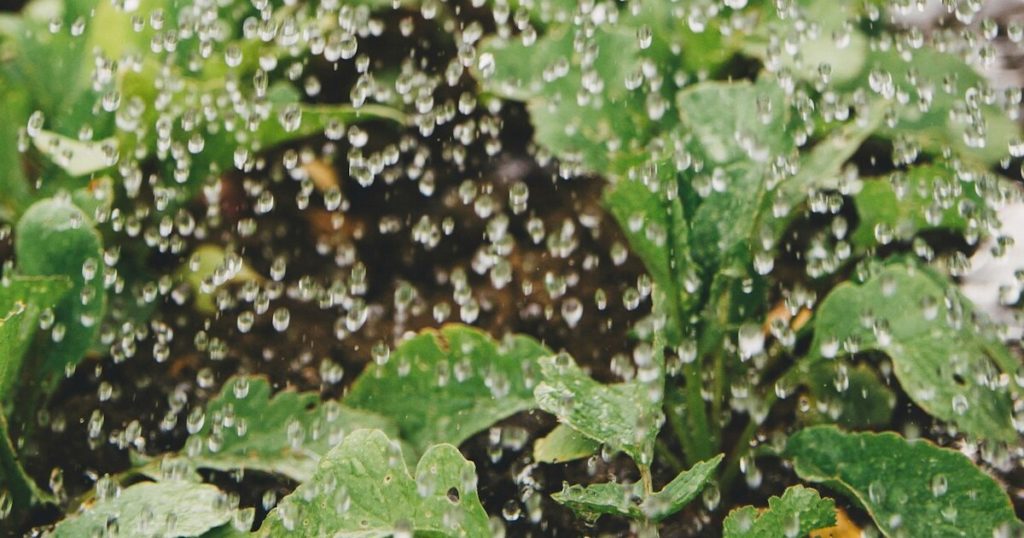
Proper watering and fertilizing are essential components of maintaining a healthy indoor winter herb garden. Overwatering is a common mistake that can lead to root rot and other plant diseases, so it’s important to allow the top inch of soil to dry out between waterings. Herbs like rosemary and thyme prefer their soil to dry out more completely, while parsley and basil may require slightly more frequent watering. Using a moisture meter can help you accurately gauge when your herbs need water, ensuring you provide the right amount without overdoing it.
Fertilizing your herbs during the winter months supports their growth and vitality. A balanced, water-soluble fertilizer applied every four to six weeks can provide the necessary nutrients your herbs need to stay healthy and productive. Organic options, such as compost tea or fish emulsion, are excellent choices as they supply a steady release of nutrients without the risk of over-fertilization. Understanding the specific nutritional needs of each herb, such as basil’s preference for higher nitrogen levels, will help you tailor your fertilizing routine to promote robust growth and flavorful herbs throughout the winter season.
Pest Control and Plant Health

Maintaining plant health and controlling pests is a common concern for indoor gardeners, especially during the winter months when pests can easily take over. It’s such a bummer when pests like aphids or spider mites invade your indoor herb garden, threatening the health of your beloved plants. Regularly inspecting your herbs for signs of pests, such as discolored leaves or sticky residues, allows you to address issues before they become severe. Introducing natural pest control methods, like neem oil or insecticidal soap, can effectively manage infestations without harming your herbs.
Preventative measures are key to keeping your indoor herb garden pest-free. Ensuring proper air circulation around your plants helps prevent the damp conditions that pests thrive in. Additionally, maintaining a clean gardening environment by removing fallen leaves and debris reduces the likelihood of pest infestations. Healthy, well-maintained herbs are more resistant to pests and diseases, so focusing on overall plant health through proper watering, lighting, and fertilizing is essential. By staying vigilant and proactive, you can enjoy a vibrant and pest-free indoor herb garden all winter long!
Pruning and Harvesting Techniques

Pruning and harvesting are vital practices for sustaining the health and productivity of your indoor winter herb garden. Regular pruning encourages bushier growth and prevents your herbs from becoming leggy. For example, pinching back the tips of basil plants promotes the development of multiple stems, resulting in a fuller and more robust plant. Similarly, trimming rosemary and thyme helps maintain their shape and encourages new growth, ensuring a continuous supply of fresh herbs for your culinary needs.
Harvesting your herbs correctly is equally important to avoid stressing the plants. When picking leaves or stems, use sharp scissors or pruning shears to make clean cuts just above a leaf node. This technique allows the plant to regenerate and produce new growth. It’s important to harvest in the morning when the oils in the herbs are most concentrated, enhancing their flavor and aroma. By incorporating regular pruning and mindful harvesting into your gardening routine, you can enjoy a bountiful and thriving indoor herb garden throughout the winter months, keeping your kitchen stocked with fresh, flavorful herbs!
Arranging Your Indoor Herb Garden
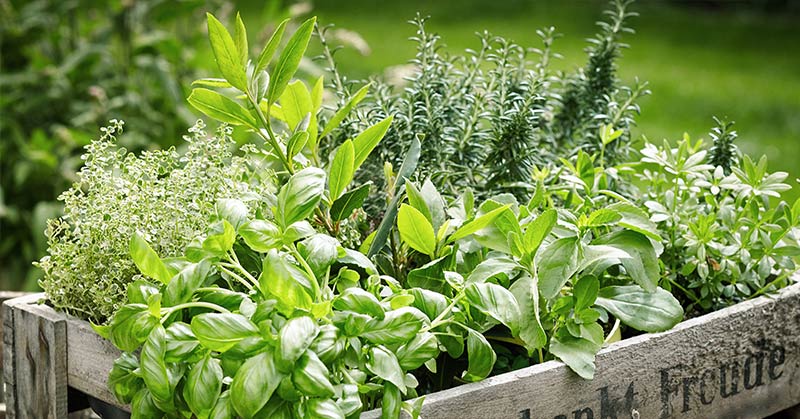
Arranging your indoor herb garden thoughtfully can enhance both the functionality and aesthetics of your space. Start by grouping herbs with similar light and water requirements together, creating a cohesive and manageable garden setup. Using stylish containers that complement your home décor not only makes your herbs easily accessible but also adds a touch of greenery and vibrancy to your living space. For example, placing basil and parsley in decorative pots on a sunny windowsill creates a visually appealing and practical arrangement that keeps your herbs within easy reach for cooking.
Vertical gardening techniques can also be incredibly effective for maximizing space, especially in smaller homes or apartments. Installing wall-mounted shelves or using tiered plant stands allows you to grow a variety of herbs without taking up valuable countertop space. This approach not only keeps your herbs organized and easily accessible but also creates a stunning green display that brightens up any room. By carefully arranging your indoor herb garden, you can create a beautiful and efficient space that supports healthy plant growth and enhances the overall ambiance of your home during the winter months!
Incorporating Smart Technology for Indoor Herb Gardening

Embracing smart technology can take your indoor winter herb garden to the next level, ensuring your herbs receive the optimal care they need even when you’re busy or away. Automated watering systems, such as self-watering pots or drip irrigation setups, provide consistent moisture to your herbs, reducing the risk of overwatering or underwatering. Smart sensors can monitor soil moisture levels and notify you when your herbs need water, ensuring they remain hydrated without requiring constant attention.
Additionally, smart lighting systems allow you to adjust the intensity and duration of light exposure based on your herbs’ specific needs. LED grow lights with adjustable settings can mimic natural sunlight patterns, promoting healthy growth and preventing your herbs from becoming leggy. Integrating smart technology not only simplifies the maintenance of your indoor herb garden but also enhances its productivity and health. By leveraging these advanced tools, you can create a high-tech and efficient indoor garden that thrives effortlessly throughout the winter season!