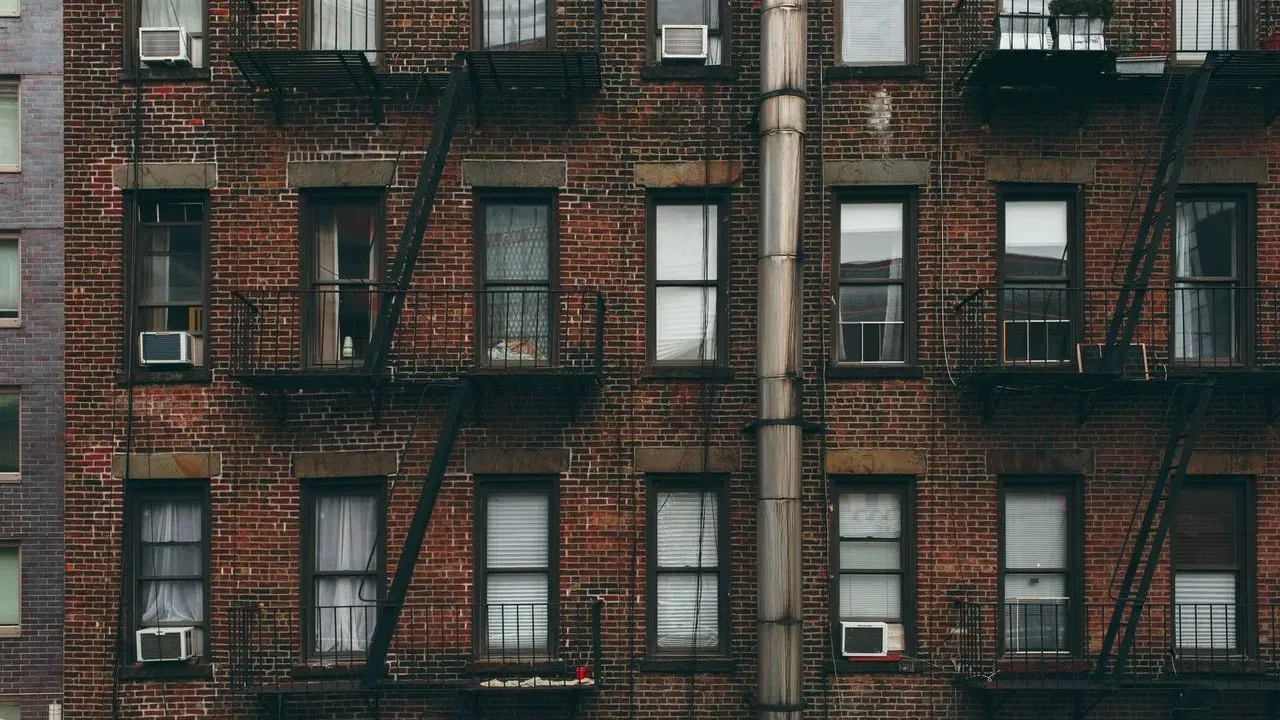

Eight people died on Wednesday, November 11, when a three-story building at 1321 Flatbush Avenue in Brooklyn fell into a neighboring construction site. ([1])The New York Post has reported that city building inspectors overlooked large cracks across the facade for more than a decade and never required them to be corrected. The claim raises a pointed question about how a building showing visible damage could remain in use, and whether warning signs were recognized at the time.
The people behind the death toll
City officials have identified the victims, and two of them were children, ages 9 and 10. ([2])About 18 other people were injured, and many residents were left searching for housing and belongings in the hours and days that followed. The building contained apartments and a ground-floor store, which meant the disaster reached far beyond a single household.
Neighbors had reported vibrations from the excavation next door, and at least one witness saw bricks falling from the structure moments before it gave way. Those accounts have become central to how investigators are framing the early timeline.
What the paper trail shows
Public records reviewed in the days after the collapse point to damage that was documented well before November. The findings include the following:
- A pre-construction survey filed with the Department of Buildings on March 5 described visible cracks in the collapsed building’s exterior. ([3])
- Records obtained by FOX 5 New York show the building was rated in poor condition months before the collapse. ([4])
- A preconstruction plan by the engineering firm Quiver League described the facade facing the construction site as in poor condition with noticeable cracks. ([5])
- The building reportedly carried 98 unresolved housing violations. ([3])
The Post’s account of cracks ignored for more than a decade goes further than these documents, which trace the visible damage to the months before the collapse. Whether earlier inspections recorded the same conditions is a question the city has yet to answer publicly.
The adjacent excavation and an ignored order
The collapse is also tied to the work next door. In March, the Department of Buildings issued a stop-work order after inspectors found demolition underway without adequate overhead protection for neighboring properties. ([3])City records indicate the development team had previously ignored that order, which places the spotlight on oversight of the construction firms as well as the apartment building itself. ([5])
The response has been broad. The city is now inspecting 160 construction sites connected to the companies behind the project. ([6])Some officials have acknowledged that more inspection staff is needed. ([7])
What remains unresolved
No official cause has been announced. ([6])The Department of Buildings is investigating alongside the city’s Department of Investigation and the Brooklyn District Attorney’s office. ([5])Mayor Zohran Mamdani said he was “incredibly troubled” by reports that the building had been listed in poor condition months before the deaths. ([4])
For residents of nearby buildings, the practical questions are immediate. Whether their homes are sound, and how inspectors will judge the structures that remain, will shape how much confidence the public can place in the review. For the families of the eight people who died, the investigation will determine whether the warning signs that were on record were acted on in time. Those answers have not yet come, and the next official findings will show whether the cracks recorded before November were treated as a warning or as routine.
AI Disclaimer: This article was created with the assistance of AI tools and reviewed by a human editor.