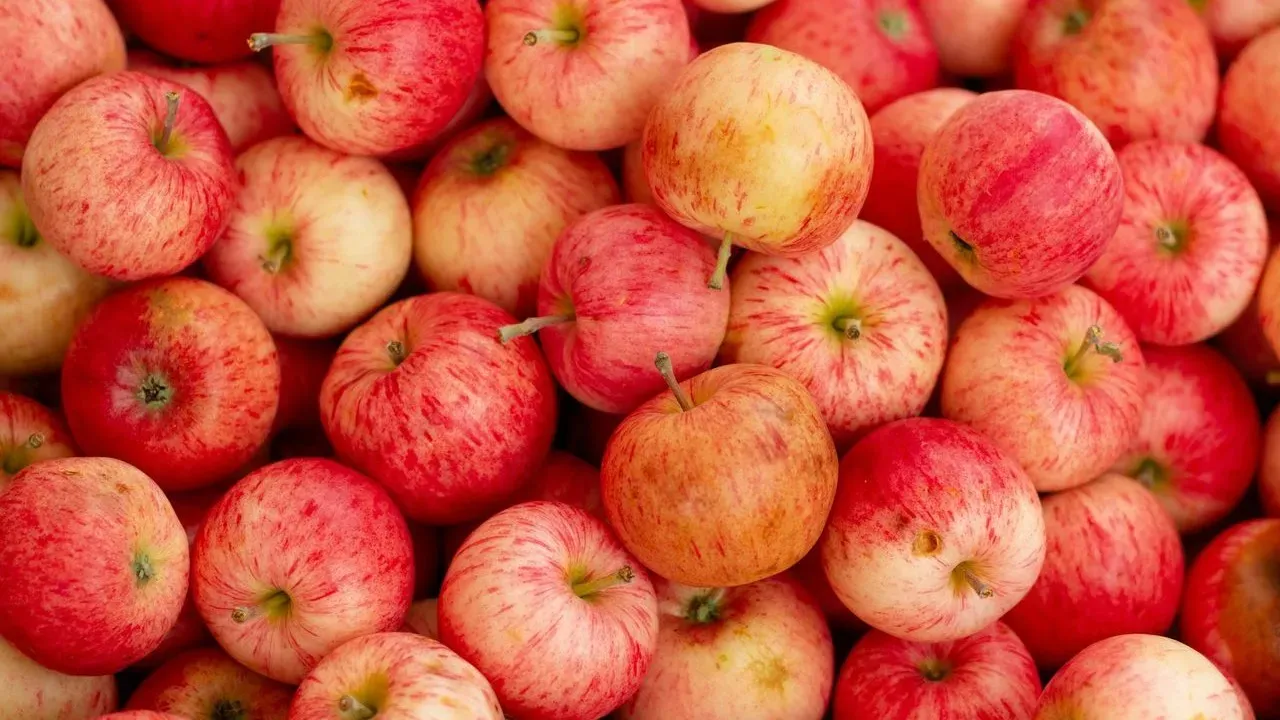

Many neighborhoods host crab apple trees that residents pass without a second glance, yet these compact fruits hold unexpected flavor and versatility for those willing to explore them. Foraging locally reduces reliance on distant orchards while turning an everyday sight into a practical harvest. The trees thrive across much of the United States and Canada in zones 4 through 8, often appearing in yards, parks, and along paths with little care required.
Why These Trees Stand Out
Crab apple trees remain modest in height and fit easily into developed spaces, producing reliable crops even in dry seasons when larger fruit trees falter. Their spring blossoms provide brief but striking displays of white or pink before the fruit sets. Because the trees need minimal maintenance unless disease appears, they represent a low-effort addition to urban and suburban landscapes. People often overlook them because harvesting takes more time than picking standard apples and the raw fruit tastes sharply sour. Still, the effort yields ingredients that reward experimentation in the kitchen. The name itself traces back centuries, possibly linked to the fruit’s tart character or older regional terms for similar small apples.
Selecting and Gathering Fruit
Taste serves as the simplest test for a promising tree. A single bite reveals whether the fruit carries genuine apple notes beneath the acidity or remains overly tannic and astringent. Dark red specimens frequently prove more bitter, while firmer, juicier ones with balanced sourness show greater promise for cooking. Collection requires patience, as filling even a modest bag can take considerable time. Canvas sacks or paper bags work well for transport, and timing matters because windfalls can rot quickly on the ground. Refrigeration extends freshness briefly, though the fruit bruises easily and benefits from prompt processing once home.
Practical Kitchen Applications
Cooks can adapt crab apples to several straightforward preparations that minimize tedious coring. Rinsing, trimming blemishes, and roughly chopping the fruit often suffices for jelly or sauce, where straining removes skins and seeds. Some varieties soften rapidly during simmering, while others retain shape, allowing flexibility in texture. A handful added to regular applesauce introduces bright acidity and deeper color. Juicing the fruit for fermentation produces a distinctive vinegar, and patient cooks have turned suitable batches into dense fruit pastes similar to membrillo. Persistent winter fruit on less palatable trees can still flavor infusions when the flesh mellows through natural drying.
Looking Ahead
Foragers who return to productive trees season after season discover both reliable yields and quiet enjoyment of the surrounding setting. The practice encourages closer observation of local plants and reduces waste from ornamental varieties that otherwise go unused. With careful selection and simple techniques, crab apples move from neglected ornament to valued seasonal ingredient.
AI Disclaimer: This article was created with the assistance of AI tools and reviewed by a human editor.