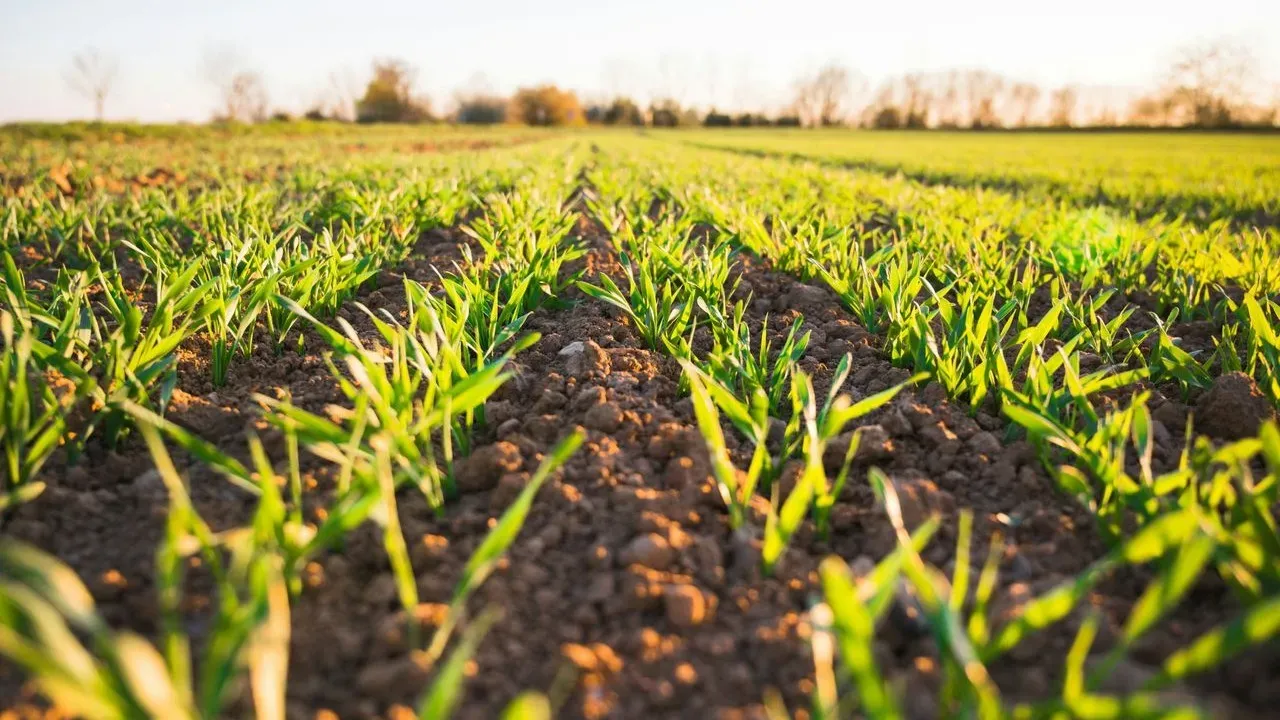

Gardeners clearing beds this October often wonder what comes next. Leaving soil exposed invites nutrient loss, compaction, and weeds. Cover crops offer a practical alternative that works for any home garden, large or small. The choice hinges on two factors: what the soil lacks and the current season.
Why Bare Soil Costs More Than It Seems
Soil left uncovered through winter loses structure and fertility. Rain compacts the surface while nutrients leach away. The underground network of microbes and earthworms also suffers without active plant growth to sustain it. Cover crops reverse that decline. Their roots create channels for better drainage and aeration. Above-ground growth adds organic matter that feeds soil life once the plants are cut down. Many varieties also crowd out weed seedlings before they take hold.
Matching Cover Crops to Fall Needs
Fall planting windows favor certain species that establish quickly before cold sets in. Winter rye builds biomass and prevents erosion. Oats and tillage radishes often winterkill, leaving little spring cleanup. Legumes such as crimson clover or hairy vetch add nitrogen while protecting the ground. Gardeners should consider soil conditions first. Compacted beds benefit from deep-rooted options like radishes. Areas low in nitrogen suit nitrogen-fixing legumes. Climate and expected frost dates further narrow the list. Most seeds broadcast easily and need only light raking and steady moisture to start.
Simple Steps From Seed to Soil Improvement
Sowing requires little equipment. Scatter seeds over prepared beds, rake lightly, and keep the surface moist until germination. Water occasionally through dry spells. Termination timing matters. Cut plants at flowering with the chop-and-drop method, leaving foliage as mulch and roots in place. Wait two to four weeks before new plantings so decomposition begins without tying up nitrogen. A thin compost layer then creates a ready seedbed for spring crops.
Pitfalls That Undermine Results
Several common errors reduce effectiveness. Perennial clovers can regrow from roots and become persistent in vegetable beds. Allowing any cover crop to set seed turns a helpful plant into a future weed problem. Edible types such as field peas should be cut before pods form to preserve maximum soil benefit. These steps keep the process straightforward. An empty bed becomes an active contributor to long-term garden health rather than a liability. The right cover crop planted at the right time quietly restores what the previous season took away.
AI Disclaimer: This article was created with the assistance of AI tools and reviewed by a human editor.