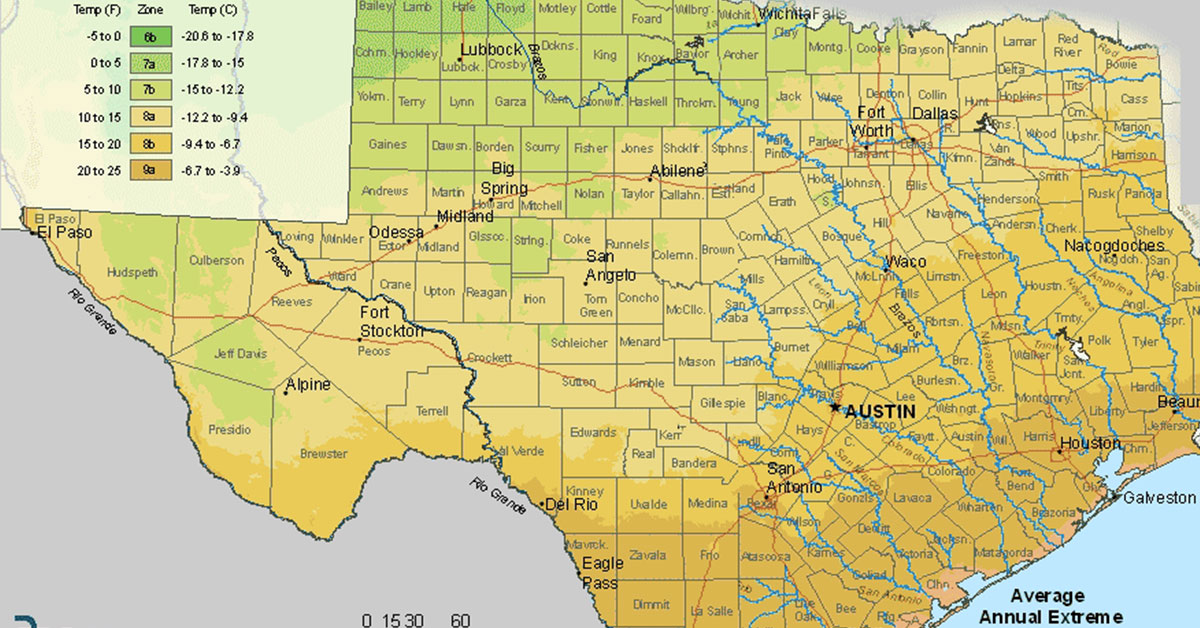

Welcome to the vibrant and diverse world of gardening in Corpus Christi, Texas! Nestled along the Gulf Coast, this coastal city offers a unique gardening experience with its warm climate and rich soil. One of the key factors to consider when planning your garden in Corpus Christi is the USDA hardiness zone, which plays a crucial role in determining which plants will thrive in this region.
Corpus Christi falls within the USDA hardiness zone 9a, which means that gardeners here can enjoy a long growing season and have a wide variety of plant options to choose from. In this article, we will explore the significance of the USDA hardiness zone in Corpus Christi gardening, discuss the specific challenges and opportunities it presents, and provide valuable tips and recommendations to help you create a flourishing garden in this beautiful coastal city.
What is Corpus Christi’s USDA hardiness zone?
The USDA hardiness zone is a system developed by the United States Department of Agriculture (USDA) to categorize regions based on their average annual minimum temperatures. This information is crucial for gardeners and plant enthusiasts as it helps determine which plants are likely to thrive in a particular area.
Corpus Christi, located in southern Texas, falls under USDA hardiness zone 9b. This means that the average annual minimum temperature in this region ranges from 25 to 30 degrees Fahrenheit (-3.9 to -1.1 degrees Celsius). It is important to note that this is just an average, and extreme weather events can sometimes result in lower temperatures.
The hardiness zone classification provides valuable guidance for gardeners in Corpus Christi when selecting plants for their gardens. Plants that are suitable for zone 9b are generally those that can tolerate mild winters and thrive in hot and humid summers. Some popular plant choices for this zone include:
- Tropical and subtropical plants: Corpus Christi’s warm climate allows for the successful cultivation of various tropical and subtropical plants. Examples include hibiscus, bougainvillea, plumeria, and bird of paradise.
- Citrus trees: The warm temperatures in zone 9b make it suitable for growing citrus trees such as oranges, lemons, and grapefruits. These trees require full sun and well-drained soil.
- Palms: Many palm tree species are well-suited to the Corpus Christi area. These include the Mexican fan palm, Canary Island date palm, and the windmill palm. Palms add a tropical touch to the landscape and thrive in the warm climate.
- Succulents and cacti: Due to the arid conditions and occasional droughts in Corpus Christi, succulents and cacti are excellent choices for gardens. Plants like agave, aloe vera, and prickly pear cactus are well-adapted to the hot and dry climate.
- Native plants: Incorporating native plants into your garden is always a good idea. They are adapted to the local climate and require less maintenance. Some native plants suitable for Corpus Christi include Texas sage, lantana, and Gulf muhly grass.
It’s important to keep in mind that while the hardiness zone provides a general guideline, other factors such as soil type, sun exposure, and watering practices also play a significant role in plant success. It’s always a good idea to research specific plant requirements and consult with local nurseries or gardening experts for personalized advice.
When can you plant your garden in Corpus Christi?
In Corpus Christi, the ideal planting times for various plants can be determined by considering its USDA hardiness zone, which is Zone 9a. This zone indicates the average minimum winter temperature range of 20 to 25 degrees Fahrenheit (-6.7 to -3.9 degrees Celsius). Here are some guidelines for planting in Corpus Christi based on this hardiness zone:
- Spring Planting: Spring is an excellent time to start planting in Corpus Christi. As the temperatures start to warm up, it is safe to plant frost-tolerant vegetables, such as tomatoes, peppers, cucumbers, beans, and squash, in late February or early March. You can also begin planting annual flowers like marigolds, petunias, and zinnias during this time.
- Summer Planting: Corpus Christi experiences hot and humid summers, so it’s important to choose heat-tolerant plants for summer planting. This includes vegetables like okra, sweet potatoes, and southern peas. Additionally, you can plant heat-loving flowers such as sunflowers, vinca, and portulaca.
- Fall Planting: Fall is another favorable season for planting in Corpus Christi. As the temperatures start to cool down, you can plant cool-season vegetables like broccoli, lettuce, spinach, and carrots in September or early October. Fall is also a good time to plant perennial flowers, trees, and shrubs as they can establish their root systems before winter.
- Winter Planting: While winters in Corpus Christi are relatively mild, it is still possible to experience occasional frosts. It is best to avoid planting frost-sensitive plants during this time. However, you can still plant cold-hardy vegetables like kale, collard greens, and Brussels sprouts. Additionally, you can focus on planting trees, shrubs, and perennials that are suitable for the region’s climate.
Remember, these are general guidelines, and it’s always a good idea to check specific planting recommendations for each plant variety to ensure optimal success. Additionally, local nurseries and garden centers can provide valuable advice and information on the best planting times for specific plants in Corpus Christi.
What grows well in Corpus Christi?
Corpus Christi, Texas falls within USDA hardiness zone 9a, which means it has a minimum average temperature range of 20 to 25 degrees Fahrenheit (-6.7 to -3.9 degrees Celsius). This zone is characterized by mild winters and hot, humid summers. Here is a comprehensive list of plants that typically thrive in Corpus Christi:
- Mexican Fan Palm (Washingtonia robusta)
- Windmill Palm (Trachycarpus fortunei)
- Canary Island Date Palm (Phoenix canariensis)
- Sago Palm (Cycas revoluta)
- Agave (Agave spp.)
- Prickly Pear Cactus (Opuntia spp.)
- Aloe Vera (Aloe barbadensis)
- Desert Marigold (Baileya multiradiata)
- Yucca (Yucca spp.)
- Live Oak (Quercus virginiana)
- Southern Magnolia (Magnolia grandiflora)
- Crape Myrtle (Lagerstroemia indica)
- Texas Ebony (Ebenopsis ebano)
- Mexican Plum (Prunus mexicana)
- Oleander (Nerium oleander)
- Plumbago (Plumbago auriculata)
- Bougainvillea (Bougainvillea spp.)
- Esperanza (Tecoma stans)
- Firebush (Hamelia patens)
- Lantana (Lantana spp.)
- Blackfoot Daisy (Melampodium leucanthum)
- Mexican Petunia (Ruellia brittoniana)
- Purple Coneflower (Echinacea purpurea)
- Zinnia (Zinnia spp.)
- Basil (Ocimum basilicum)
- Rosemary (Rosmarinus officinalis)
- Tomatoes (Solanum lycopersicum)
- Peppers (Capsicum spp.)
- Okra (Abelmoschus esculentus)
- Confederate Jasmine (Trachelospermum jasminoides)
- Asian Jasmine (Trachelospermum asiaticum)
- Purple Heart (Tradescantia pallida)
- Beach Morning Glory (Ipomoea pes-caprae)
- Creeping Fig (Ficus pumila)
Remember to consider factors like soil type, sun exposure, and water requirements when selecting plants for your specific location in Corpus Christi. Additionally, local nurseries and garden centers can provide valuable insights and recommendations based on their experience with the area.
What won’t grow in Corpus Christi?
In Corpus Christi, Texas, the USDA hardiness zone is typically classified as zone 9a. This means that the average minimum winter temperature ranges from 20 to 25 degrees Fahrenheit (-6.7 to -3.9 degrees Celsius). While many plants can thrive in this zone, there are some that may struggle due to the specific climate conditions in Corpus Christi. Here are a few examples:
- Blueberries: Blueberries require a colder winter period to properly fruit, and the mild winters in Corpus Christi may not provide the necessary chilling hours.
- Lilacs: Lilacs are typically better suited to cooler climates and may struggle with the heat and humidity of Corpus Christi.
- Peonies: Peonies are another plant that prefers colder winters and may not perform well in the mild climate of Corpus Christi.
- Hydrangeas: While some varieties of hydrangeas can tolerate the heat, many may struggle with the intense sun and high temperatures in Corpus Christi.
- Rhododendrons: Rhododendrons prefer cooler and more acidic soil conditions than what is typically found in Corpus Christi.
- Tulips: Tulips require a period of cold dormancy in winter, and the mild winters in Corpus Christi may not provide the necessary conditions for them to thrive.
- Lilium (Lilies): Some varieties of lilies may struggle with the heat and humidity of Corpus Christi, although there are heat-tolerant varieties available.
It’s important to note that while these plants may not thrive in Corpus Christi’s climate, it doesn’t mean they are impossible to grow. With proper care, including providing shade, adequate water, and soil amendments, it may be possible to grow these plants in Corpus Christi.