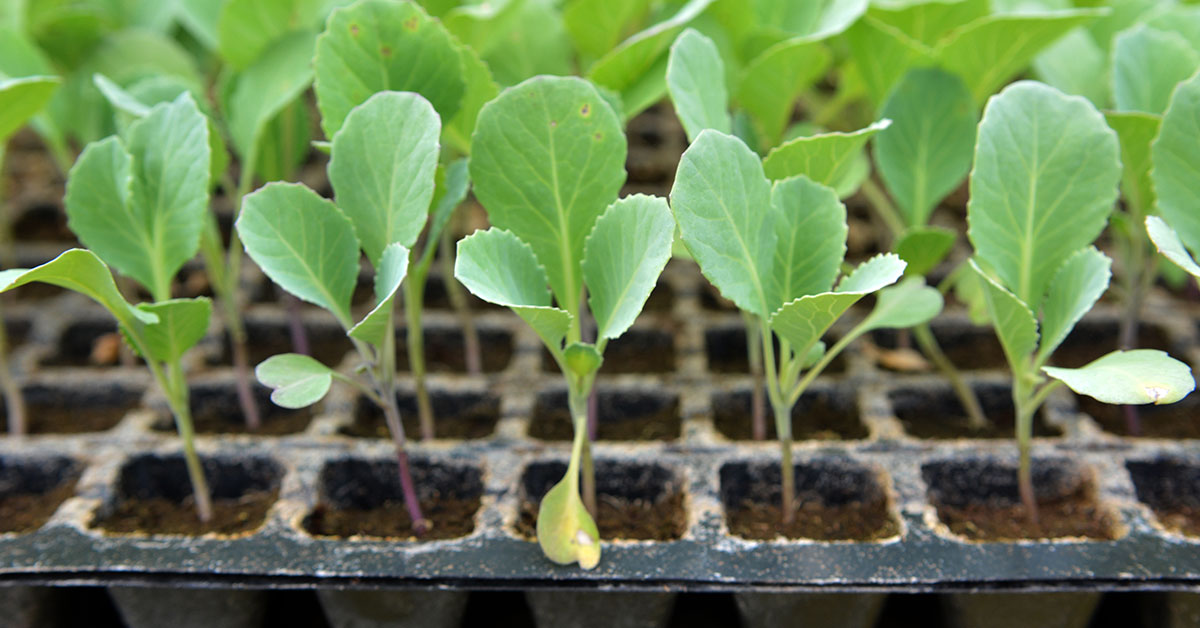

Copenhagen Market Cabbage, also known as Danish Ballhead cabbage, is a beloved variety of cabbage that has gained popularity among gardeners and chefs alike. With its round, compact heads and sweet, crisp leaves, this cabbage variety is a versatile addition to any garden or kitchen. Originally developed in Denmark, Copenhagen Market Cabbage is well-suited for cooler climates, making it a perfect choice for gardeners in northern regions.
In this article, we will explore the characteristics, cultivation tips, and culinary uses of Copenhagen Market Cabbage, allowing both novice and experienced gardeners to appreciate and enjoy this exceptional cabbage variety. Whether you are looking to grow your own fresh produce or elevate your culinary creations, Copenhagen Market Cabbage is a must-have addition to your garden and kitchen.
What is a Copenhagen Market Cabbage?
Copenhagen Market Cabbage, also known as Danish Ballhead Cabbage, is a popular variety of cabbage that originates from Denmark. It is a cool-season vegetable that belongs to the Brassica oleracea family, which also includes other cabbage varieties, broccoli, and cauliflower. This cabbage variety is characterized by its round, compact head that can grow to a medium to large size, typically weighing around 2-4 pounds (0.9-1.8 kilograms). The head is firm and dense, with crisp, pale green leaves that have a slightly waxy texture.
The outer leaves tightly wrap around the head, providing protection and helping to retain moisture. Copenhagen Market Cabbage is known for its excellent flavor and versatility in the kitchen. It has a mild, sweet taste that becomes sweeter after exposure to cold temperatures, making it ideal for coleslaws, salads, stir-fries, sautés, and even fermenting for sauerkraut. This cabbage variety is also prized for its excellent storage ability. When stored in a cool and dry place, it can last for several weeks, allowing you to enjoy its fresh flavor even after the harvest season.
When it comes to cultivation, Copenhagen Market Cabbage is relatively easy to grow. It prefers full sun exposure and fertile, well-draining soil enriched with organic matter. It is recommended to start the seeds indoors around 6-8 weeks before the last frost date and then transplant them outdoors when the soil has warmed up. Adequate spacing between plants (around 12-18 inches or 30-45 centimeters) will ensure good air circulation and encourage healthy growth.
Regular watering, especially during dry periods, is crucial for proper development. Additionally, applying a balanced fertilizer during the growing season can provide the necessary nutrients for robust plant growth. Copenhagen Market Cabbage is a reliable and rewarding vegetable to grow, offering delicious and nutritious harvests. With the right care and attention, you can enjoy this cabbage variety’s fresh, crunchy leaves in your culinary creations.
What does Copenhagen Market Cabbage taste like?
A Copenhagen Market Cabbage has a deliciously crisp and mildly sweet taste. Its flavor is milder compared to other varieties of cabbages, making it a popular choice for those who prefer a more delicate taste. When cooked, it maintains its slight sweetness and develops a tender texture. The leaves are tender and have a refreshing crunch when eaten raw, making it a versatile cabbage for various culinary preparations. Whether enjoyed in salads, stir-fries, or sautés, the Copenhagen Market Cabbage adds a delightful, subtle flavor to any dish.
How to start from seed
Starting Copenhagen Market Cabbage from seeds involves a few steps. Here’s a step-by-step guide to help you get started:
- Choose the right time: Copenhagen Market Cabbage is a cool-season crop, so it’s best to start the seeds indoors 6-8 weeks before the last expected frost date in your area. This will give the plants enough time to grow and develop before transplanting them outdoors.
- Gather supplies: You will need the following supplies to start your seeds:
- Seed starting trays or pots with drainage holes
- Seed starting mix or a mixture of peat moss, vermiculite, and perlite
- Copenhagen Market Cabbage seeds
- Watering can or spray bottle
- Grow lights or a sunny windowsill
- Plastic wrap or a humidity dome (optional)
- Start sowing the seeds: Fill the seed starting trays or pots with the seed starting mix, leaving about 1/4 inch of space below the rim. Moisten the soil lightly with water to make it damp but not soggy.
- Sow the seeds: Place 2-3 seeds in each cell or pot, then cover them with a thin layer of seed starting mix. Gently press down the soil to ensure good seed-to-soil contact.
- Provide proper conditions: Place the trays or pots in a warm location (around 70°F or 21°C) with good air circulation. If you have a heat mat, you can place it under the trays to promote germination. If not, make sure the room temperature stays consistent.
- Ensure moisture: Keep the soil consistently moist but not waterlogged. You can use a spray bottle or a watering can with a fine rose attachment to avoid displacing the seeds. Avoid overwatering, as it can lead to diseases like damping-off.
- Provide adequate lighting: Once the seeds germinate and sprout, they will need around 12-16 hours of bright light per day. If you don’t have access to enough natural sunlight, you can use fluorescent or LED grow lights placed a few inches above the seedlings.
- Thin out the seedlings: Once the seedlings develop their first true leaves, thin them out by removing the weaker ones, leaving only the strongest seedling in each cell or pot. This will prevent overcrowding and promote healthy growth.
- Harden off the seedlings: About a week before transplanting the seedlings outdoors, gradually expose them to outdoor conditions by placing them outside for a few hours each day. Start with a shady spot and gradually increase their exposure to direct sunlight and outdoor temperatures.
- Transplanting: When the seedlings are 4-6 weeks old and all risk of frost has passed, it’s time to transplant them into your garden. Choose a sunny spot with fertile, well-drained soil. Space the transplants about 12-18 inches apart, depending on the size of the cabbage variety.
- Care for the plants: Keep the soil consistently moist throughout the growing season, especially during dry periods. Mulching around the plants can help retain moisture and suppress weed growth. Apply a balanced fertilizer every few weeks to promote healthy growth.
- Harvesting: Copenhagen Market Cabbage typically takes around 70-80 days to mature. Harvest the heads when they reach their full size and are firm to the touch. Cut the heads off at the base using a sharp knife, leaving a few outer leaves intact.
That’s it! With proper care and attention, you’ll be able to enjoy fresh and delicious Copenhagen Market Cabbage from your garden.
Planting and growing Copenhagen Market Cabbage
Planting and growing a Copenhagen Market Cabbage involves several steps. Here is a step-by-step guide to help you:
- Select a suitable location: Choose a spot in your garden that receives full sun for at least 6-8 hours a day. The soil should be well-draining and rich in organic matter.
- Prepare the soil: Clear the area of any weeds or debris. Loosen the soil to a depth of 8-10 inches using a garden fork or tiller. Incorporate organic matter like compost or well-rotted manure to improve the soil’s fertility and drainage.
- Start seeds indoors (optional): If you want an early start, you can start cabbage seeds indoors about 6-8 weeks before the last frost date. Sow the seeds in seed trays or pots filled with seed starting mix. Keep them in a warm (70-75°F) and well-lit location until they germinate.
- Direct sowing: Alternatively, you can directly sow the cabbage seeds in the garden. Plant the seeds ¼ to ½ inch deep and around 18-24 inches apart in rows spaced 24-36 inches apart.
- Watering: Water the seeds or seedlings immediately after planting, keeping the soil consistently moist but not waterlogged. Once the plants are established, provide about 1-1.5 inches of water per week, either through rainfall or supplemental watering.
- Fertilizing: Cabbage plants benefit from regular feeding. Apply a balanced vegetable fertilizer according to the package instructions, usually every 3-4 weeks. Avoid excessive nitrogen, as it can promote leafy growth rather than head formation.
- Thinning and transplanting (if started indoors): When the seedlings have developed their first true leaves, thin them to allow the strongest ones to grow. If you started the seeds indoors, transplant the young cabbage plants into the prepared garden bed, spacing them according to the recommended spacing.
- Mulching: Apply a layer of organic mulch, such as straw or wood chips, around the base of the plants. Mulching helps conserve moisture, suppress weed growth, and regulate soil temperature.
- Pest and disease control: Monitor your cabbage plants regularly for pests like cabbage worms, aphids, or cabbage loopers. Use organic pest control methods, like handpicking or using insecticidal soap, to manage infestations. Keep an eye out for common cabbage diseases like clubroot or black rot, and take appropriate preventive measures if necessary.
- Harvesting: Copenhagen Market Cabbage typically takes about 80-90 days to mature. Harvest the heads when they reach the desired size and are firm to the touch. Use a sharp knife to cut the cabbage heads from the stem, leaving a few outer leaves intact.
By following these steps, you should be able to successfully plant and grow Copenhagen Market Cabbage in your garden. Happy gardening!
When to harvest
The best time to harvest a Copenhagen Market cabbage is when the head reaches its full size and feels firm to the touch. This usually occurs around 70-90 days after transplanting or 100-120 days after sowing the seeds. The cabbage head should be dense and compact, with the outer leaves tightly wrapped around it. Additionally, the head should have a consistent color and show no signs of cracking or splitting. Harvesting too early may result in smaller heads, while waiting too long may cause the cabbage to become overgrown and lose its optimal flavor and texture.