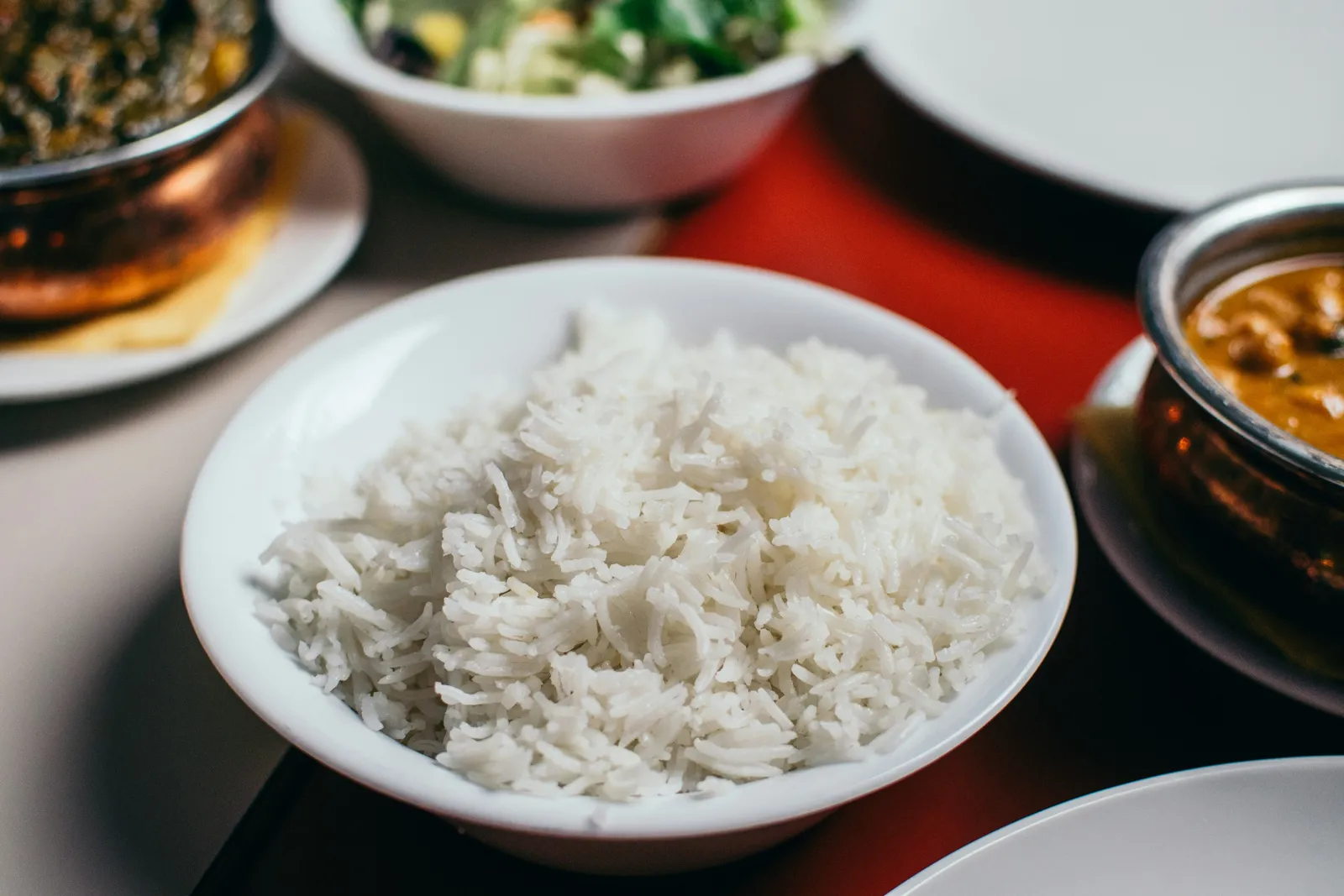

A home cook prepares a generous pot of rice on a Sunday afternoon, sets it aside to cool while finishing kitchen chores, and later transfers it to the refrigerator. By Tuesday the rice looks and smells perfectly normal, so it goes into a stir-fry for dinner. Hours later, illness sets in. This sequence illustrates a food safety issue that catches many people off guard because cooked rice does not follow the usual patterns of spoilage. The core problem stems from a common bacterium that survives ordinary cooking and produces heat-stable toxins once the rice sits at room temperature. Standard sensory checks fail here, and reheating offers no protection once those toxins form. Public health guidance therefore emphasizes strict time limits rather than appearance or smell.
The Bacterium Behind the Problem
Bacillus cereus occurs naturally in soil and on grains. Cooking kills active cells but leaves behind resilient spores. When cooked rice cools slowly at room temperature, those spores germinate and multiply quickly. As the bacteria grow they release two distinct toxins. One produces diarrhea symptoms several hours after consumption, while the other triggers vomiting much sooner. The vomiting toxin resists heat, so bringing the rice back to a high temperature eliminates the bacteria without removing the poison already present. This mechanism explains why fried rice carries a particular reputation for causing illness. Traditional preparation often involves cooking rice in advance, allowing it to cool on the counter, and then stir-frying it later. The cooling interval gives the spores time to become active and generate toxins before the final heating step.
Time Limits That Actually Matter
Food safety authorities set clear windows for cooked rice. It must move into the refrigerator within two hours of cooking, or within one hour when the kitchen temperature exceeds 90 degrees Fahrenheit. Once refrigerated at 40 degrees Fahrenheit or below, the rice remains safe for three to four days. Freezing extends usability to one or two months when the rice is cooled rapidly and stored in airtight portions. These limits exist because even refrigeration only slows bacterial activity rather than stopping it completely. After four days the risk of toxin accumulation rises even if the rice shows no obvious change. Uncooked rice presents far less concern; white varieties stay stable for years in a sealed, cool, dry container, while brown rice lasts six to twelve months before its natural oils can turn rancid.
Recognizing When Rice Should Be Discarded
Visible or olfactory signs provide limited reassurance with cooked rice. The toxins can reach dangerous levels without producing any sour odor, sliminess, mold, or discoloration. Time therefore serves as the more reliable indicator. Rice left out beyond the two-hour window or held in the refrigerator past four days warrants disposal regardless of how it appears. When conventional spoilage does occur, the indicators include a fermented smell, a sticky coating on the grains, fuzzy growth of any color, or unexpected yellowing or gray tones. Any of these signs means the entire batch should be thrown away.
Practical Steps for Safe Handling
Several straightforward habits reduce the risk substantially. Spread freshly cooked rice in a thin layer on a baking sheet or divide it into shallow containers so it cools below 70 degrees Fahrenheit within two hours. Transfer it promptly to an airtight container and store it at 40 degrees Fahrenheit or below. Label portions with the date and use them within the recommended window. Reheat only to 165 degrees Fahrenheit when the rice has been stored correctly; repeated reheating cycles should be avoided because each cooling period creates another opportunity for spore germination. For larger batches that will not be finished quickly, freezing offers the safest long-term option. Portion the cooled rice into freezer-safe bags or containers, label them, and reheat directly from frozen or after overnight thawing in the refrigerator. Use thawed rice within twenty-four hours and never refreeze it.
– Refrigerate cooked rice within two hours (one hour above 90°F).
– Use refrigerated cooked rice within three to four days.
– Reheating does not neutralize toxins already formed.
– Fried rice carries elevated risk when rice cools at room temperature before stir-frying.
Proper storage turns leftover rice into a convenient staple rather than a hidden hazard. Following the two-hour rule and the three-to-four-day refrigerator limit keeps meals safe without requiring constant vigilance over appearance or smell.
AI Disclaimer: This article was created with the assistance of AI tools and reviewed by a human editor.