

As the frosty winds begin to sweep through your garden, the thought of maintaining vibrant container plants during winter might seem daunting. However, with the right strategies and a bit of creativity, container gardening in cold climates can be both manageable and immensely rewarding! Whether you’re an experienced gardener looking to extend your growing season or a novice eager to keep your plants thriving through the chill, this guide is here to help you navigate the challenges and embrace the beauty of winter container gardening.
I completely understand the frustration of seeing your carefully nurtured potted plants struggle against the cold. It’s such a bummer when frost threatens to undo all your hard work, leaving your garden looking dull and lifeless. But fear not! By selecting the right plants, choosing appropriate containers, and implementing effective care techniques, you can create a lush and resilient container garden that withstands the winter months. Let’s dive into some of my favorite tips and methods for managing potted plants in cold climates, ensuring your garden remains vibrant and full of life even when temperatures drop!
Choosing Hardy Plants for Cold Climates
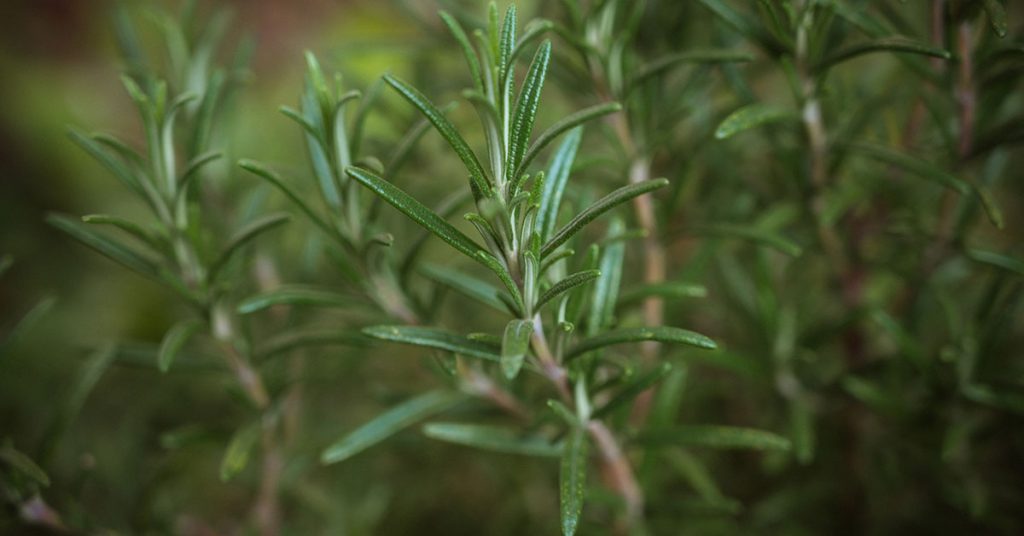
One of the most crucial steps in successful winter container gardening is selecting hardy plants that can withstand cold temperatures and harsh winter conditions. Perennials like heuchera (Heuchera spp.) and winter pansies (Viola spp.) are excellent choices, native to temperate regions and known for their resilience. These plants not only survive the winter but also provide beautiful foliage and blooms that add color to your garden during the dreary months. Additionally, herbs such as rosemary (Rosmarinus officinalis) and thyme (Thymus vulgaris), native to the Mediterranean, thrive in containers and can tolerate cooler climates with proper care.
It’s important to consider whether the plants you choose are invasive in your area. Fortunately, many hardy perennials and herbs are non-invasive and integrate seamlessly into your garden without disrupting local ecosystems. For instance, heuchera attracts beneficial pollinators like butterflies and bees, enhancing the biodiversity of your container garden. By selecting a variety of hardy, non-invasive plants, you ensure that your winter garden remains both beautiful and environmentally friendly. Embracing these robust plants not only guarantees survival through the winter but also sets the stage for a vibrant resurgence come spring!
Insulating Containers
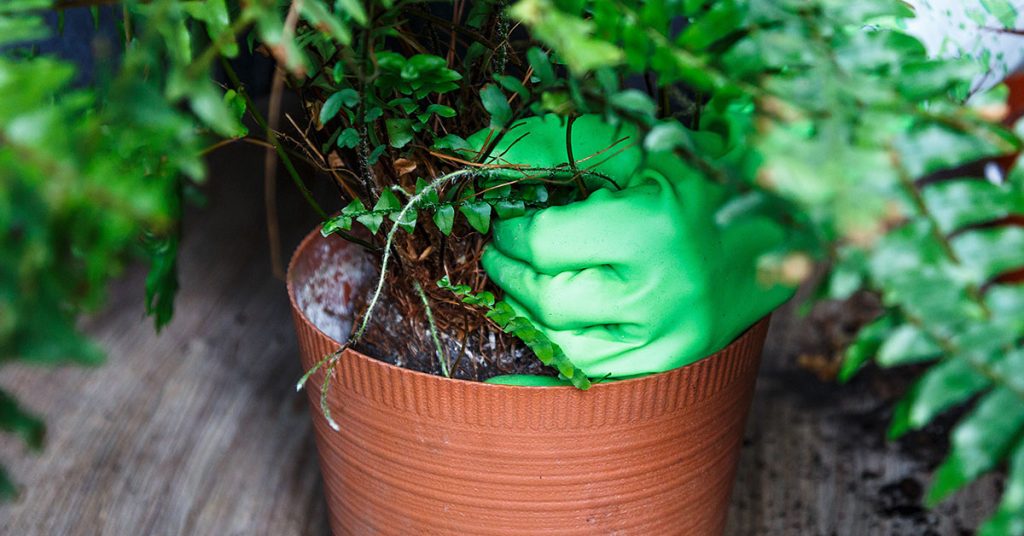
Insulating your containers is essential for protecting your plants from the extreme cold and preventing root damage. One effective method is to wrap the exterior of your pots with materials like burlap, bubble wrap, or horticultural fleece. These insulators help retain heat within the container, creating a more stable environment for your plants’ roots. Additionally, you can elevate your pots off the cold ground by placing them on pot feet or bricks, reducing the risk of frost seeping into the soil and causing freeze-thaw cycles that can harm plant roots.
Another fantastic technique is to use double-walled containers, which provide natural insulation and are specifically designed to withstand colder temperatures. Ceramic and terracotta pots can benefit greatly from this approach, as the additional wall layer helps buffer against temperature fluctuations. For added protection, consider grouping your containers together to create a microclimate that retains warmth and shields your plants from harsh winds. By investing in proper insulation, you ensure that your potted plants remain cozy and healthy throughout the winter, ready to burst into growth when spring arrives!
Providing Adequate Light
Ensuring that your container plants receive adequate light during the winter months is paramount for their survival and growth. With shorter daylight hours and weaker sunlight, supplementing natural light with artificial sources can make a significant difference. LED grow lights are a popular choice among gardeners for their energy efficiency and ability to provide the full spectrum of light that plants need for photosynthesis. Positioning grow lights above your containers for 12-16 hours a day can help mimic the natural sunlight your plants crave, keeping them healthy and vibrant.
For outdoor container gardens, maximize the available natural light by placing pots in the sunniest spots, such as south-facing balconies or patios. Reflective surfaces like white walls or mirrors can help amplify the sunlight reaching your plants, ensuring they receive as much light as possible. Additionally, pruning surrounding foliage or obstructions can prevent shadows from limiting your plants’ exposure to light. By carefully managing both natural and artificial light sources, you create an optimal growing environment that supports the health and productivity of your container garden throughout the winter!
Selecting the Right Containers

Choosing the appropriate containers is a fundamental aspect of winter container gardening, as the right pots can significantly influence your plants’ ability to withstand cold weather. Opt for containers made from materials with good insulation properties, such as plastic or fiberglass, which retain heat better than porous materials like terracotta. These materials help maintain a more consistent soil temperature, protecting plant roots from freezing. Additionally, ensure that your containers have adequate drainage holes to prevent waterlogging, which can lead to root rot during the wetter winter months.
Another important consideration is the size of your containers. Larger pots retain heat longer and provide more stable conditions for your plants, making them ideal for winter gardening. However, if space is limited, you can still succeed by using double pots or wrapping pots with insulating materials to enhance their warmth. Furthermore, consider using self-watering containers to maintain consistent soil moisture levels, reducing the need for frequent watering in cold weather when evaporation rates are lower. By selecting the right containers, you create a robust and supportive foundation for your potted plants, ensuring they thrive even in the coldest climates!
Protecting Plants from Frost

Protecting your potted plants from frost is essential to prevent damage and ensure their survival throughout the winter. One effective method is to use frost covers or blankets specifically designed for plants. These coverings trap heat and create a protective barrier against freezing temperatures, allowing your plants to maintain a more stable environment. For added protection, you can place your containers inside a sheltered area, such as a garage, shed, or greenhouse, where they are shielded from harsh winds and extreme cold.
Another strategy is to use mulching around the base of your plants within the containers. A thick layer of organic mulch, such as straw, shredded leaves, or compost, acts as an insulator, protecting the roots from freezing and maintaining soil moisture levels. Additionally, positioning your containers near heat sources like radiators or under eaves can provide extra warmth during particularly cold spells. It’s such a relief to see your plants weather the frost, knowing that your protective measures have kept them safe and healthy. By implementing these frost protection techniques, you ensure that your container garden remains lush and vibrant, ready to thrive when warmer weather returns!
Watering and Drainage Tips
Proper watering and drainage are critical components of successful winter container gardening. During the colder months, plants generally require less water as their growth slows down. However, it’s important to avoid letting the soil dry out completely, as consistent moisture is still necessary for plant health. Check the soil moisture regularly and water only when the top inch of soil feels dry to the touch. Using a moisture meter can help you accurately gauge when your plants need watering, preventing both overwatering and underwatering.
Ensuring excellent drainage is equally important, as excess water can freeze and damage plant roots. To improve drainage, consider adding a layer of gravel or small stones at the bottom of your containers before adding soil. Additionally, using well-draining potting mixes specifically formulated for container gardening can help prevent water from pooling around the roots. Avoid using heavy garden soil, which can retain too much moisture and lead to root rot in cold conditions. By mastering the art of watering and drainage, you maintain a healthy balance that supports your plants’ needs throughout the winter, keeping them strong and ready to flourish come spring!
Managing Soil and Fertilizer
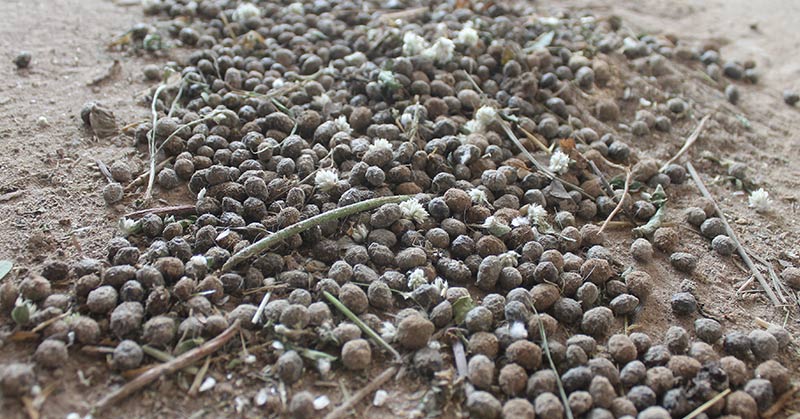
Maintaining healthy soil and providing appropriate fertilizer are essential for keeping your container plants thriving during winter. Use a high-quality potting mix that is well-draining yet rich in organic matter to support robust root growth and nutrient uptake. Adding compost or worm castings to your potting soil can enhance its fertility and structure, providing a steady supply of essential nutrients that your plants need to stay healthy in the colder months. Additionally, consider using slow-release fertilizers that provide a consistent nutrient supply over time, reducing the need for frequent feeding during winter.
It’s also important to refresh the soil in your containers periodically to prevent nutrient depletion and ensure optimal plant health. Gently removing the top layer of soil and replacing it with fresh compost can rejuvenate your container garden, promoting vigorous growth and resilience against winter stress. Be mindful of over-fertilizing, as excessive nutrients can lead to salt buildup in the soil, harming plant roots and inhibiting growth. By carefully managing soil and fertilizer, you create a fertile and supportive environment that sustains your container plants through the winter, ensuring they remain vibrant and productive year after year!
Creating a Winter Herb Garden Layout
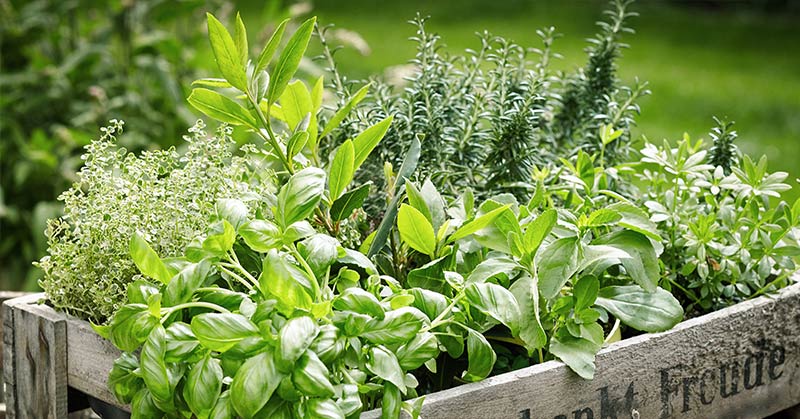
Designing an effective layout for your winter container garden is key to maximizing space, light, and accessibility for your plants. Start by grouping plants with similar light and water requirements together, ensuring each herb receives the optimal conditions it needs to thrive. For instance, place sun-loving herbs like basil and oregano in the brightest spots, while shade-tolerant herbs like mint and parsley can be situated in areas with indirect light. Incorporating raised shelves or tiered plant stands can help you make the most of vertical space, allowing you to grow more herbs without overcrowding your growing area.
In addition to functional grouping, consider the aesthetic aspects of your garden layout to create a visually pleasing arrangement. Using a variety of container sizes, shapes, and colors can add visual interest and make your garden more attractive. Incorporate decorative elements such as trellises for vining herbs like sweet basil or using multi-tiered planters to elevate the overall look of your garden. It’s such a satisfying experience to see your herbs arranged beautifully, making your winter gardening efforts both productive and visually appealing. By carefully planning your winter herb garden layout, you ensure that your herbs are well-organized, easy to care for, and a delightful addition to your home or outdoor space!
Indoor vs Outdoor Container Gardening

Deciding whether to cultivate your container garden indoors or outdoors during winter depends on your local climate and the specific needs of your plants. Indoor container gardening offers a controlled environment where you can manage light, temperature, and humidity levels more easily. Herbs like basil, cilantro, and parsley thrive indoors under grow lights, allowing you to enjoy fresh flavors year-round. Additionally, indoor gardens can serve as beautiful decorative elements, enhancing the aesthetic of your living space with vibrant greenery and aromatic scents.
On the other hand, outdoor container gardening can be equally rewarding, especially in milder climates where plants can withstand cooler temperatures with proper protection. Outdoor gardens benefit from natural light and air circulation, which can be advantageous for certain herbs like rosemary and thyme that prefer drier conditions. Using protective measures such as frost blankets, insulating materials, and strategic placement can help outdoor containers thrive even in colder climates. It’s such a joy to see your herbs flourish both indoors and outdoors, each setting offering unique benefits and challenges. By balancing indoor and outdoor gardening techniques, you can create a versatile and resilient container garden that provides fresh flavors and lush greenery throughout the winter months!