

As the vibrant hues of autumn settle in and the temperatures begin to drop, October is an excellent time to dive into container gardening. Whether you’re working with a small balcony, a cozy patio, or just a sunny windowsill, container gardening offers a versatile and rewarding way to enjoy fresh produce and beautiful blooms without needing a sprawling garden space. Embracing the cooler weather, October provides the perfect opportunity to plant hardy varieties that thrive in limited spaces and add a splash of color and life to your outdoor or indoor sanctuary.
I understand how frustrating it can be to maintain a thriving garden in smaller areas, especially as the seasons change and daylight hours dwindle. It’s such a bummer when pests take over your limited space or when your plants struggle to survive the cooler months. That’s why I’m excited to share some of the best plants and essential practices for container gardening in October. From vibrant flowers that brighten up your space to robust vegetables that keep you nourished through the season, these tips and plant choices will help you create a flourishing container garden that’s both beautiful and productive. Let’s explore the wonderful world of container gardening and make your October gardening endeavors a resounding success!
Pansies
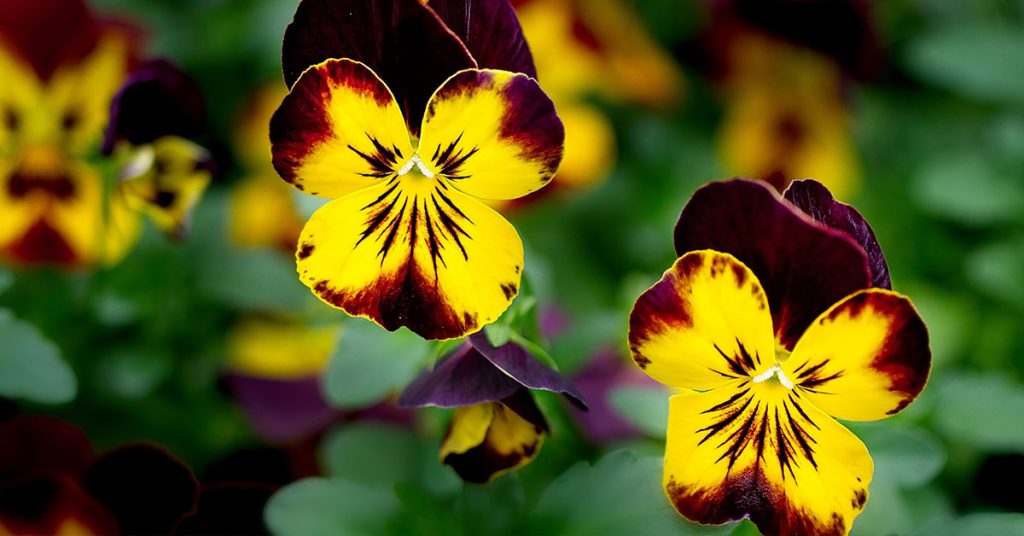
Pansies are a staple for container gardening in October, renowned for their vibrant colors and resilience in cooler temperatures. Native to Europe and Asia, these cheerful flowers come in a wide array of colors, including deep purples, bright yellows, rich oranges, and soft pinks. Their ability to thrive in partial shade and well-drained soil makes them perfect for container settings, whether placed on a sunny balcony or a shaded patio. One of the reasons I adore pansies is their long blooming period, which can extend well into the fall, providing continuous color and cheer as the days grow shorter.
Beyond their stunning appearance, pansies play a crucial role in attracting beneficial pollinators such as bees and butterflies, which help maintain a healthy garden ecosystem. These flowers are generally not considered invasive, making them a safe choice for container gardens without the risk of them spreading uncontrollably. To ensure your pansies thrive, it’s essential to deadhead spent blooms regularly and provide them with adequate water and nutrients. With their hardy nature and vibrant hues, pansies are a fantastic addition to any October container garden, adding both beauty and functionality to your limited gardening space!
Ornamental Cabbage and Kale

Ornamental cabbage and kale are fantastic choices for adding texture and color to your container garden in October. Native to the Mediterranean region, these plants are cultivated for their striking, colorful foliage that ranges from deep purples and bright pinks to crisp whites and vivid greens. Their rosette growth habit and sturdy leaves make them ideal for container settings, providing a beautiful contrast to more traditional fall flowers. One of my favorite varieties is the ‘Red Russian’ kale, which offers tender, flavorful leaves and a stunning color palette that enhances any container garden.
In addition to their aesthetic appeal, ornamental cabbage and kale are beneficial for the garden ecosystem. They attract predatory beetles and other beneficial insects that help manage pests naturally, reducing the need for chemical interventions. These plants are generally not invasive and can be easily managed within the confines of a container. They thrive in cooler temperatures and require well-drained soil and regular watering to maintain their vibrant colors and healthy growth. By incorporating ornamental cabbage and kale into your October container garden, you’re not only enhancing its visual interest but also supporting a balanced and resilient garden environment!
Succulents
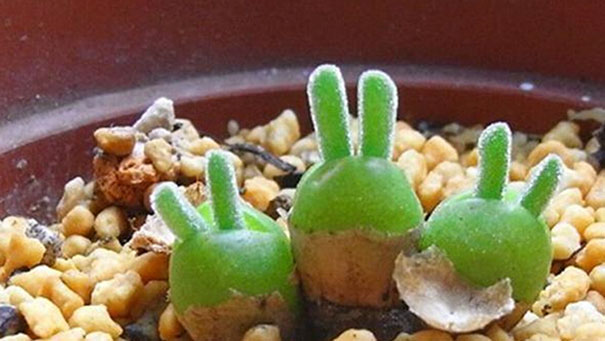
Succulents continue to be a popular choice for container gardening, even in the cooler months of October. Native to arid regions around the world, succulents are prized for their thick, fleshy leaves that store water, allowing them to thrive with minimal care. Their diverse shapes, colors, and textures make them incredibly versatile for various container arrangements, from minimalist terrariums to colorful mixed containers. One of the reasons succulents are so beloved is their ability to adapt to different lighting conditions, although most prefer bright, indirect sunlight to maintain their vibrant appearance.
In addition to their aesthetic appeal, succulents are excellent for those with busy lifestyles or limited gardening experience, as they require infrequent watering and can easily withstand periods of neglect. They also contribute to indoor air purification, removing toxins and improving the overall air quality in your home. While succulents are generally not invasive, it’s important to choose species that are well-suited to your indoor environment to prevent any potential issues. Embrace the charm and simplicity of succulents this October and enjoy their enduring beauty and low-maintenance nature in your container garden!
Container Selection and Soil Preparation

Choosing the right containers and preparing the soil are fundamental practices for successful container gardening in October. When selecting containers, opt for materials that provide good drainage, such as terracotta, ceramic, or plastic pots with drainage holes. The size of the container should be appropriate for the plant’s root system; larger containers are ideal for deep-rooted plants like kale, while smaller pots are perfect for compact flowers like pansies. Additionally, consider the aesthetic aspect—choosing containers that complement your outdoor or indoor decor can enhance the overall beauty of your garden.
Soil preparation is equally important, as it ensures your plants have the necessary nutrients and a healthy root environment. Use a high-quality potting mix that is well-draining yet retains moisture, incorporating organic matter such as compost or peat moss to enrich the soil. Adding perlite or vermiculite can improve aeration and drainage, preventing root rot and other moisture-related issues. Before planting, ensure that each container has adequate drainage to avoid waterlogging, which can be detrimental to plant health. By carefully selecting your containers and preparing the soil, you set the foundation for a thriving and vibrant container garden this October!
Garlic
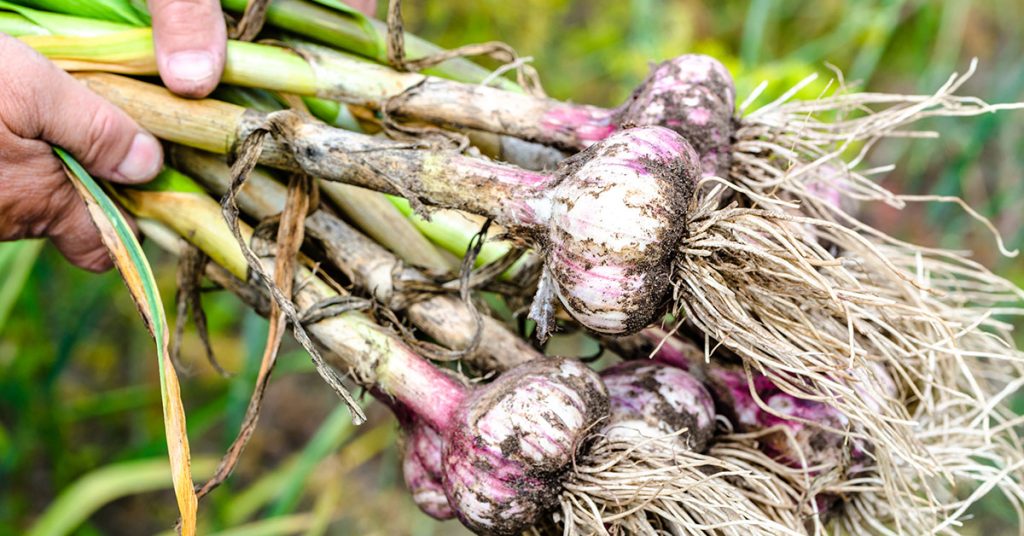
Garlic is an excellent choice for container gardening in October, offering both culinary and ornamental benefits. Native to Central Asia, garlic has been a staple in kitchens and gardens for centuries due to its robust flavor and health benefits. Planting garlic in containers allows you to grow it even in limited spaces, making it perfect for urban gardeners or those with small patios. One of the reasons garlic is so rewarding is its ability to produce large, flavorful bulbs when given the right conditions, including well-drained soil and ample sunlight.
Beyond its culinary uses, garlic is also a natural pest deterrent, helping to protect your container garden from common pests such as aphids and beetles. These plants are not considered invasive, making them a safe addition to your gardening space without the risk of them spreading uncontrollably. Garlic attracts beneficial insects like ladybugs and lacewings, which aid in pest control and promote a healthy garden ecosystem. By incorporating garlic into your October container garden, you’re not only enhancing your culinary repertoire but also supporting sustainable gardening practices that reduce the need for chemical pesticides. Enjoy the dual benefits of fresh garlic and a thriving container garden this fall!
Watering Practices for Container Gardens
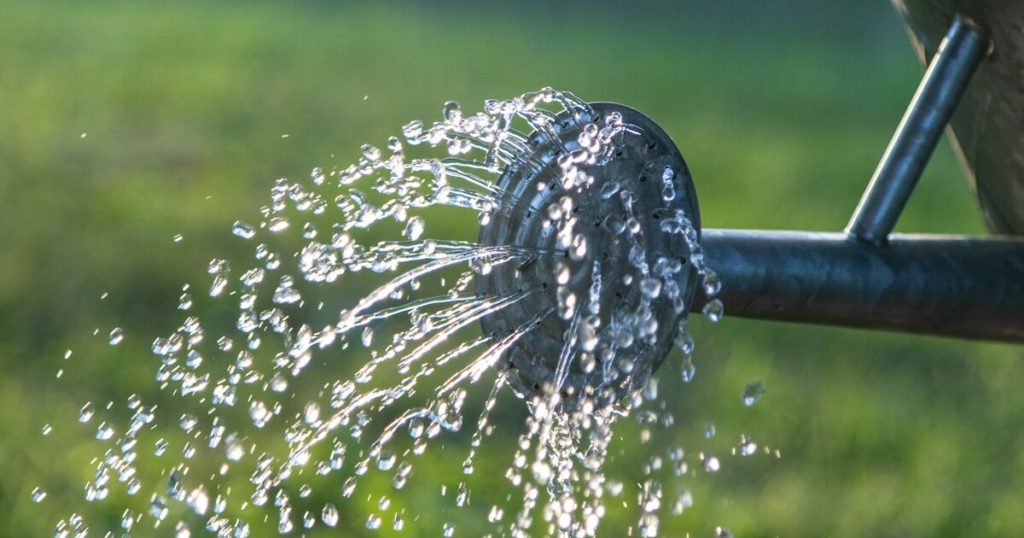
Proper watering practices are crucial for maintaining a healthy container garden in October, especially as the weather cools and rainfall patterns change. Containers can dry out more quickly than traditional garden beds, so it’s essential to monitor moisture levels regularly. I find it helpful to check the soil daily, ensuring it remains consistently moist but not waterlogged. Using self-watering containers or adding a layer of mulch on top can help retain moisture and reduce the frequency of watering, making it easier to manage your limited gardening space.
In addition to regular watering, it’s important to consider the specific needs of each plant. For instance, succulents require less frequent watering compared to leafy greens like kale or lettuce, which need more consistent moisture to thrive. Adjusting your watering schedule based on the type of plants and the current weather conditions will help prevent issues such as root rot or drought stress. Incorporating drip irrigation systems or using watering cans with fine tips can provide more controlled and efficient watering, ensuring your container garden stays healthy and vibrant throughout October. By adopting these thoughtful watering practices, you can enjoy a flourishing and resilient container garden even in limited spaces!
Herbs for Limited Spaces
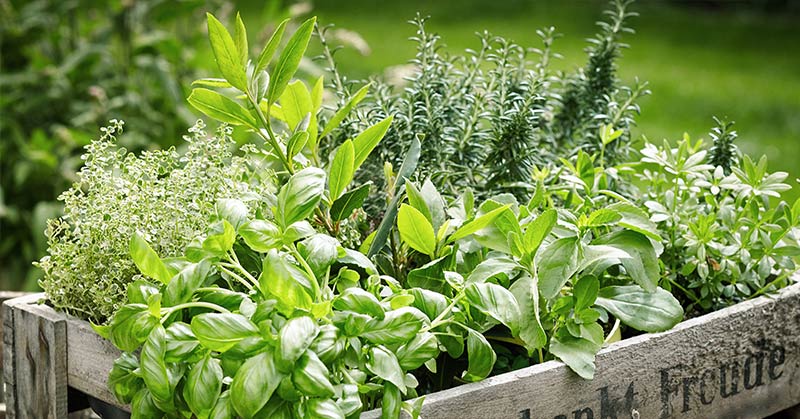
Herbs are a fantastic addition to container gardens in October, offering both beauty and practicality in limited spaces. Native to various regions around the world, herbs like rosemary, thyme, and parsley are well-suited for container gardening due to their compact growth habits and versatility. Planting herbs in containers allows you to grow them indoors or on balconies, providing fresh ingredients for your kitchen year-round. One of my favorite herbs for October is thyme, which thrives in well-drained soil and full sun, adding both flavor and fragrance to your garden.
In addition to their culinary uses, herbs attract beneficial insects such as pollinators and predatory beetles, which help maintain a balanced garden ecosystem. These plants are generally not invasive, making them a safe choice for container gardening without the risk of them spreading uncontrollably. Herbs like rosemary and thyme are also known for their pest-repellent properties, helping to protect other plants in your container garden naturally. By incorporating a variety of herbs into your October container garden, you’re not only enhancing your cooking with fresh, homegrown flavors but also supporting a healthy and sustainable gardening environment. Enjoy the dual benefits of beauty and utility with these versatile herbs in your limited gardening space!