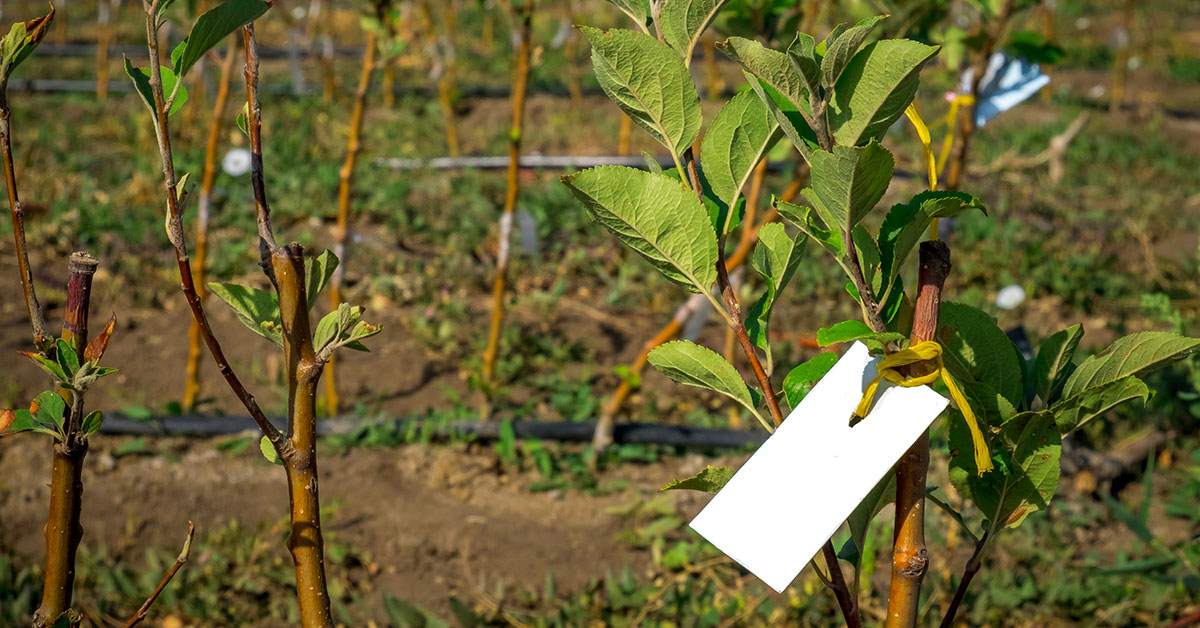

Welcome to the world of growing Conference Pears, where the joy of nurturing and harvesting these delectable fruits knows no bounds. As a gardening expert, I am here to guide you through the process of cultivating Conference Pear trees, sharing my knowledge and experience to help you achieve a bountiful harvest. Known for their exceptional flavor, crisp texture, and versatility in both culinary and dessert preparations, Conference Pears have become a favorite among gardeners and fruit enthusiasts alike.
Whether you are a seasoned gardener or a beginner looking to embark on a fruitful journey, this article will provide you with all the essential information, tips, and tricks to successfully grow Conference Pear trees in your own backyard. So, let’s dig in and discover the secrets to cultivating these remarkable fruits that will surely delight your taste buds and bring beauty to your garden.
What are Conference Pears?
Conference Pear is a popular variety of pear tree known for its excellent flavor and high yields. It is a deciduous tree that can reach a height of 15-20 feet and has an upright, columnar growth habit. The leaves are dark green and glossy, providing an attractive backdrop to the tree’s abundant fruit. The pears themselves are medium to large in size, with a distinctive elongated shape and a yellow-green skin that develops a red blush as it ripens.
Conference Pears have a sweet and juicy flesh with a slightly grainy texture, making them ideal for eating fresh or using in cooking and baking. They are also known for their excellent storage qualities, allowing them to be enjoyed for an extended period after harvest. Conference Pear trees are relatively easy to grow and are suitable for a variety of climates, making them a popular choice for home gardeners and commercial orchards alike.
What do Conference Pears taste like?
Conference pears are known for their delicious flavor profile. They have a sweet and juicy taste with a hint of tartness, making them a perfect balance of flavors. The flesh of the Conference pear is smooth and creamy, providing a delightful texture when bitten into. The sweetness of the pear is often described as honey-like, with subtle floral notes that add to its overall complexity. The flavor intensifies as the pear ripens, becoming even sweeter and more aromatic. Overall, Conference pears offer a delightful combination of sweetness, juiciness, and subtle tartness, making them a popular choice among pear enthusiasts.
How to start Conference Pears from seeds
Growing Conference Pear trees can be a rewarding experience. Here is a guide to help you successfully start and grow Conference Pear trees:
- Choosing the Right Location:
- Conference Pear trees thrive in full sun, so choose a location that receives at least 6-8 hours of direct sunlight per day.
- Ensure the soil is well-draining, as pears do not tolerate waterlogged conditions.
- The soil should be moderately fertile, with a pH level between 6.0 and 7.0.
- Obtaining Graft Stock:
- Conference Pear trees are usually propagated through grafting, where a scion (desired variety) is grafted onto a rootstock.
- Purchase a Conference Pear tree from a reputable nursery or garden center. Make sure it is grafted onto a suitable rootstock, such as Quince A or Quince C.
- Planting the Tree:
- Dig a hole that is wide and deep enough to accommodate the roots of the tree without bending or crowding them.
- Place the tree in the hole, ensuring that the graft union (the swollen area where the scion meets the rootstock) is above the soil line.
- Backfill the hole with the excavated soil, gently firming it around the roots.
- Water the tree thoroughly after planting to settle the soil and eliminate air pockets.
- Watering and Mulching:
- Keep the newly planted Conference Pear tree well-watered, especially during the first year. Water deeply once a week, providing enough moisture to reach the root zone.
- Mulch around the base of the tree with organic matter, such as wood chips or compost. This helps retain soil moisture, suppresses weeds, and regulates soil temperature.
- Pruning and Training:
- Prune the Conference Pear tree during the dormant season (late winter or early spring) to remove any dead, damaged, or crossing branches.
- Train the tree to a central leader system, where a single, upright stem is encouraged to grow straight up. Remove any competing branches that may interfere with the central leader.
- Fertilizing:
- Apply a balanced fruit tree fertilizer in early spring, following the manufacturer’s instructions. Avoid over-fertilizing, as excessive nitrogen can promote vegetative growth at the expense of fruit production.
- Pest and Disease Management:
- Monitor the tree regularly for common pests such as aphids, pear psylla, and codling moth. Use organic insecticides or horticultural oils if necessary.
- To prevent diseases like fire blight, maintain good airflow around the tree by pruning and thinning branches as needed. Apply appropriate fungicides if disease symptoms appear.
- Harvesting:
- Conference Pears are typically ready for harvest in late summer or early autumn, depending on your climate. Harvest when the fruits are firm but not hard, and the skin color has turned from green to yellowish-green.
Remember, growing Conference Pear trees requires patience and consistent care. With proper attention to watering, pruning, and pest management, you can enjoy a bountiful harvest of delicious pears in the years to come.
When to plant Conference Pears outdoors
The ideal time to plant Conference Pear trees is during the dormant season, which is typically in late winter or early spring. This allows the tree to establish its root system before the onset of warmer weather and active growth. Planting in late winter or early spring also minimizes the risk of frost damage to the young tree.
Growing & care guide Conference Pears
Caring for Conference Pear trees requires attention to several key aspects, including planting, watering, fertilizing, pruning, and pest control. Here are some best practices to ensure the healthy growth and productivity of your Conference Pear tree:
- Planting:
- Choose a sunny location with well-drained soil for planting your Conference Pear tree.
- Ensure the soil pH is between 6.0 and 7.0, slightly acidic to neutral.
- Dig a hole that is wide and deep enough to accommodate the tree’s root system.
- Place the tree in the hole, making sure the bud union (the swollen area where the tree was grafted onto the rootstock) is above the soil level.
- Backfill the hole with soil, gently firming it around the roots.
- Water the tree thoroughly after planting to settle the soil.
- Watering:
- Provide regular and consistent watering, especially during dry periods.
- Newly planted trees require more frequent watering until they establish their root system.
- Water deeply, ensuring the moisture reaches the tree’s root zone.
- Avoid overwatering, as it can lead to root rot and other diseases.
- Fertilizing:
- Apply a balanced fertilizer, such as a 10-10-10 or 14-14-14, in early spring before new growth begins.
- Follow the manufacturer’s instructions for the appropriate amount to use based on the tree’s size and age.
- Avoid excessive nitrogen fertilization, as it can promote vegetative growth at the expense of fruit production.
- Pruning:
- Prune Conference Pear trees during the dormant season, typically in late winter or early spring.
- Remove any dead, damaged, or diseased branches.
- Thin out crowded branches to improve air circulation and sunlight penetration.
- Maintain an open center or modified central leader shape for optimal fruit production.
- Avoid heavy pruning, as it can reduce fruiting potential.
- Pest Control:
- Monitor your Conference Pear tree regularly for signs of pests, such as aphids, pear psylla, or codling moth.
- Use organic or chemical insecticides as necessary, following the instructions carefully.
- Apply dormant oil spray during late winter or early spring to control overwintering pests and their eggs.
- Keep the area around the tree clean and free from fallen leaves and debris, as they can harbor pests and diseases.
- Harvesting:
- Conference Pears are typically ready for harvest in late summer or early autumn.
- Harvest the fruits when they are firm but not too hard, with a slight yellow or green color.
- Twist the pear gently from the branch, or use pruning shears if necessary.
- Store the harvested pears in a cool, dry place to ripen fully before consuming.
By following these best practices, you can ensure the health and productivity of your Conference Pear tree, enjoying a bountiful harvest of delicious pears for years to come.
Harvesting guide for Conference Pears
Conference pears are typically harvested in late summer or early fall, usually around September or October, depending on the climate and growing conditions. Here is a step-by-step guide on how to harvest Conference pears:
- Check for ripeness: Before harvesting, make sure the pears are ripe. Conference pears are usually ready to be picked when they have turned a yellowish-green color and have a slight give when gently pressed near the stem. Avoid harvesting pears that are still firm and green, as they will not ripen properly off the tree.
- Use the twist and lift method: To harvest the pears, gently twist and lift them upwards, giving a slight twist at the stem. If the pear comes off easily, it is ready to be harvested. Avoid pulling or tugging forcefully, as this can damage the fruit or the tree.
- Harvest in stages: Conference pears do not all ripen at the same time, so it is best to harvest them in stages. Start by picking the pears that are fully ripe and ready to eat. Leave the slightly underripe pears on the tree to mature further. Check the tree every few days and harvest the remaining pears as they ripen.
- Handle with care: Pears are delicate fruits, so handle them with care to avoid bruising or damaging them. Hold the pears gently by the stem and place them in a basket or container, ensuring they do not get squished or piled on top of each other.
- Store properly: If you are not planning to consume the pears immediately, store them in a cool, dry place such as a cellar or refrigerator. Pears can be stored for several weeks, but check them regularly for any signs of spoilage or rotting.
By following these guidelines, you can ensure a successful harvest of Conference pears. Enjoy the delicious fruits of your labor!