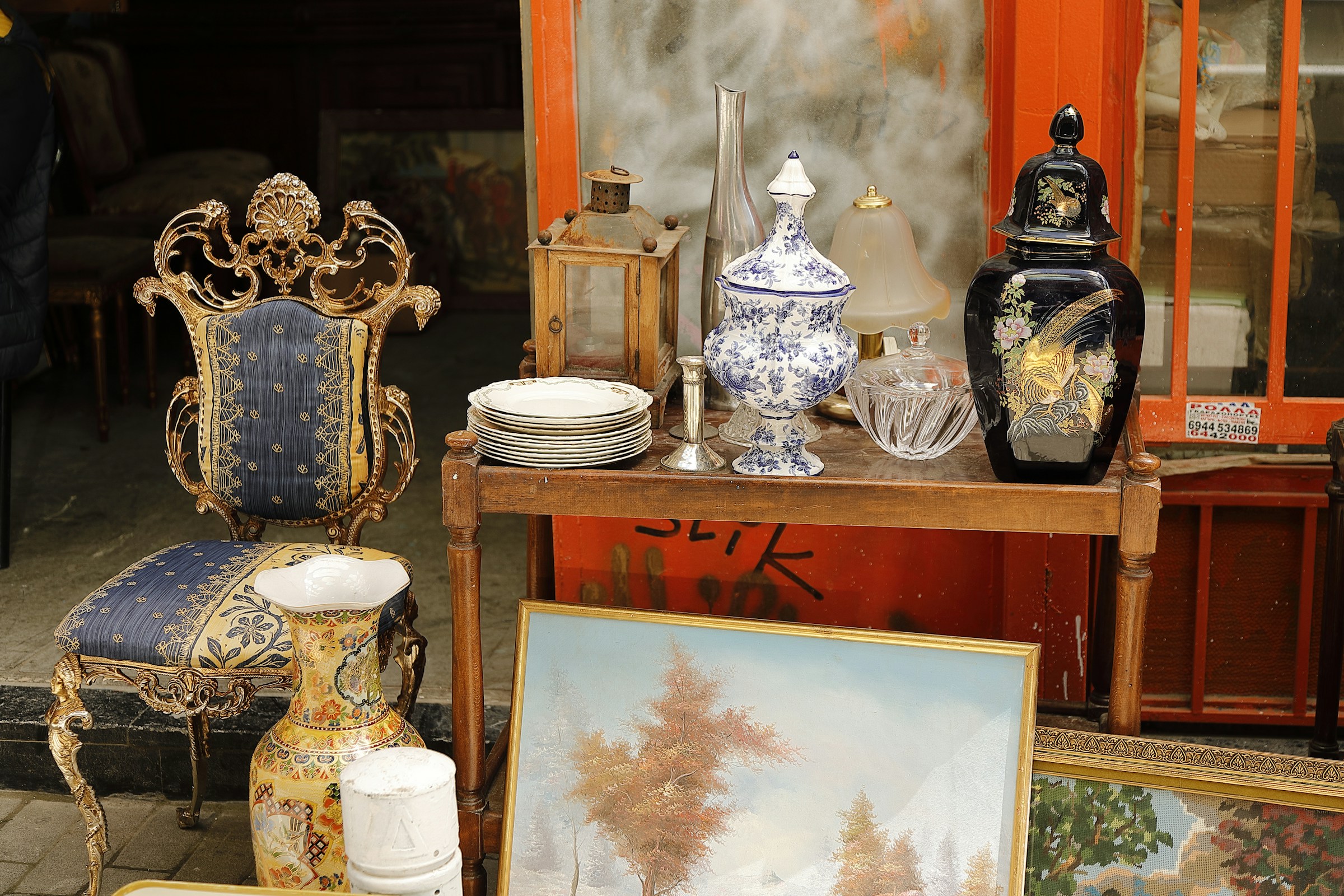

Most people walk past real money every day without realizing it. It’s sitting in the garage, tucked in a kitchen cabinet, or leaning against a basement wall gathering dust. The antiques market in 2025 and 2026 has undergone a real shift, and the items gaining quiet traction are rarely the ones you’d expect.
Across flea markets and estate sales, vintage dealers are quietly cashing in on the stuff most people grew up taking for granted. The hottest finds right now are not museum pieces, but everyday dishes, mirrors, and knickknacks that once felt too ordinary to save. If you’ve been dismissing the old things around your home, it might be worth a second look.
Vintage Pyrex Mixing Bowls and Casseroles
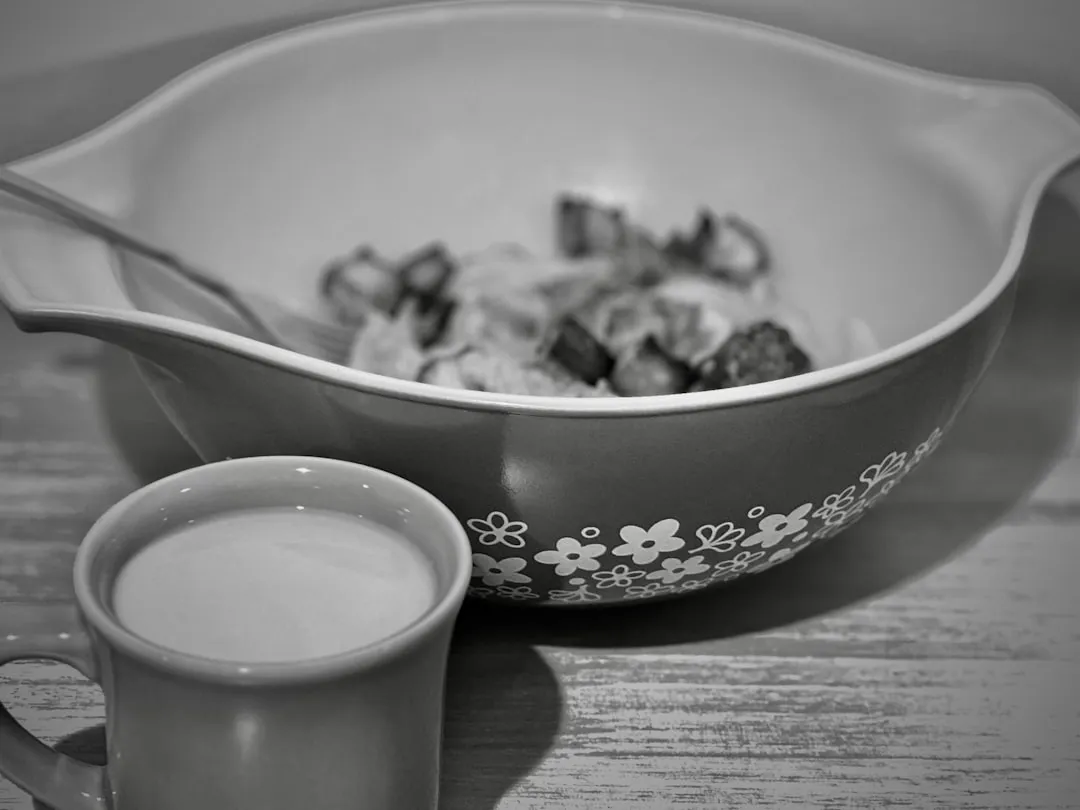
Vintage kitchenware, the colorful, patterned bakeware, cookware, and tableware made from the 1930s through the 1980s, has become one of the fastest-growing collecting categories in the antiques market. Pyrex in particular has a devoted following that shows no sign of slowing. Few categories in the vintage kitchen market have attracted as much collector attention over the past decade. The brand has been producing heat-resistant glass cookware since the early twentieth century, but it’s the mid-century patterned pieces that have driven the secondary market into genuinely surprising territory.
The most valuable vintage kitchenware includes the Pyrex Lucky in Love pattern from 1959, where a single casserole dish can sell for over four thousand dollars. Yet right now, according to appraisers, many common Pyrex patterns remain well below their peak prices. Appraiser Marsha Dixey notes that the highest values in this market were in 2022, and since then, values have leveled to roughly one-third or one-half of that high. For buyers, that’s a meaningful window.
Griswold and Wagner Cast Iron Skillets
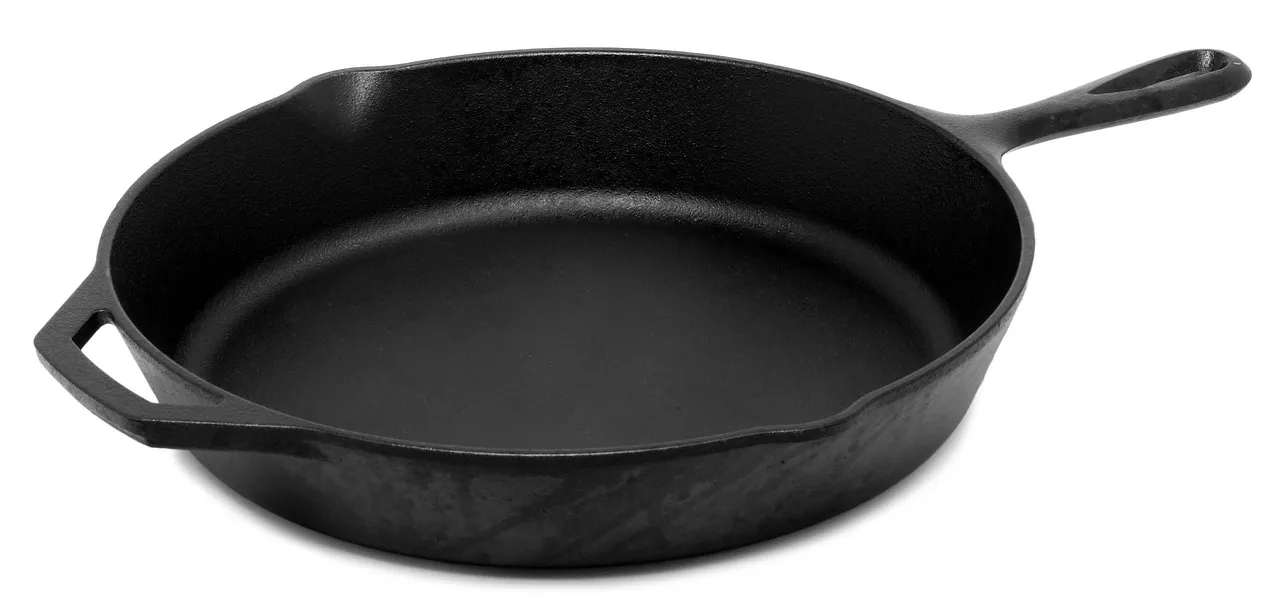
A Griswold cast iron skillet picked up for a few dollars at a church sale can sell for several hundred at auction. That’s not a fluke, it’s how the market for vintage kitchen items works. Objects that spent decades in daily use, then decades more in basements and thrift stores, have quietly become some of the most sought-after collectibles in the resale market.
Wagner, founded in 1891 in Sidney, Ohio, is considered a close second to Griswold but just as valuable to many collectors. Their cast iron was known for high quality and craftsmanship, and the company produced cookware well into the 1950s. A vintage Wagner skillet recently sold on eBay for nearly one thousand dollars. Many of these pans still turn up at estate sales for a fraction of that, which is exactly why dealers keep hunting for them. Buyers are drawn to the quality, the history, and, increasingly, the scarcity of well-preserved pieces.
Pine Furniture
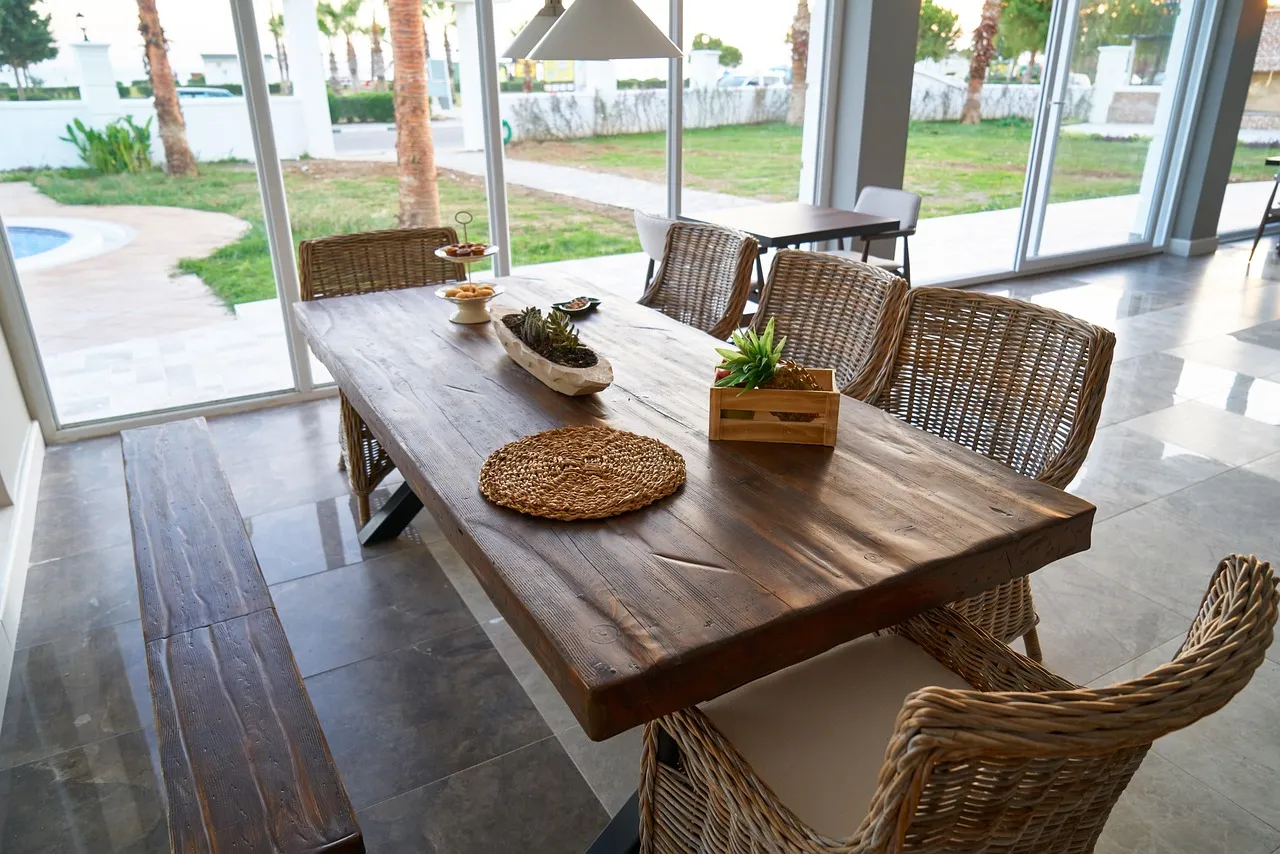
Sophie Salata, head of brand at Vinterior, says that pine will likely be popular in 2026, noting that once considered humble, it’s now celebrated for its warmth, honesty, and quiet charm. This is a real reversal from just a few years ago, when pine pieces sat ignored at estate sales. From solid kitchen dressers to bold, sculptural coffee tables, beautifully crafted pine pieces are being rediscovered and reappraised, especially those with character and provenance.
The renewed love for dark wood furniture reflects a desire for authenticity and warmth, signaling a move away from minimalist styles and highlighting the beauty and variety of natural wood. Pieces with honest wear or fine patina are especially coveted. Pine dressers and kitchen hutches that were practically given away a decade ago are now drawing serious interest from both designers and everyday buyers.
“Brown Furniture” in General

According to the annual survey by the Asheford Institute of Antiques, 2025 marked a turning point: while mid-century modern continued to sell, buyers began shifting toward earlier periods and more eclectic styles. Economic pressure and rising retail costs nudged consumers into the resale market, but analysts emphasized that buyers weren’t just bargain hunting. They wanted lasting pieces with real history behind them.
Brown furniture, once considered dated, started to rebound as homeowners sought warmth and sustainability. Dealers report that brown furniture across the spectrum, from pine dressers to mahogany sideboards, is now framed as the ultimate sustainable choice. The category is still not fully priced to reflect this renewed demand, which means buyers can still find strong pieces at reasonable prices if they move quickly.
Vintage Rugs
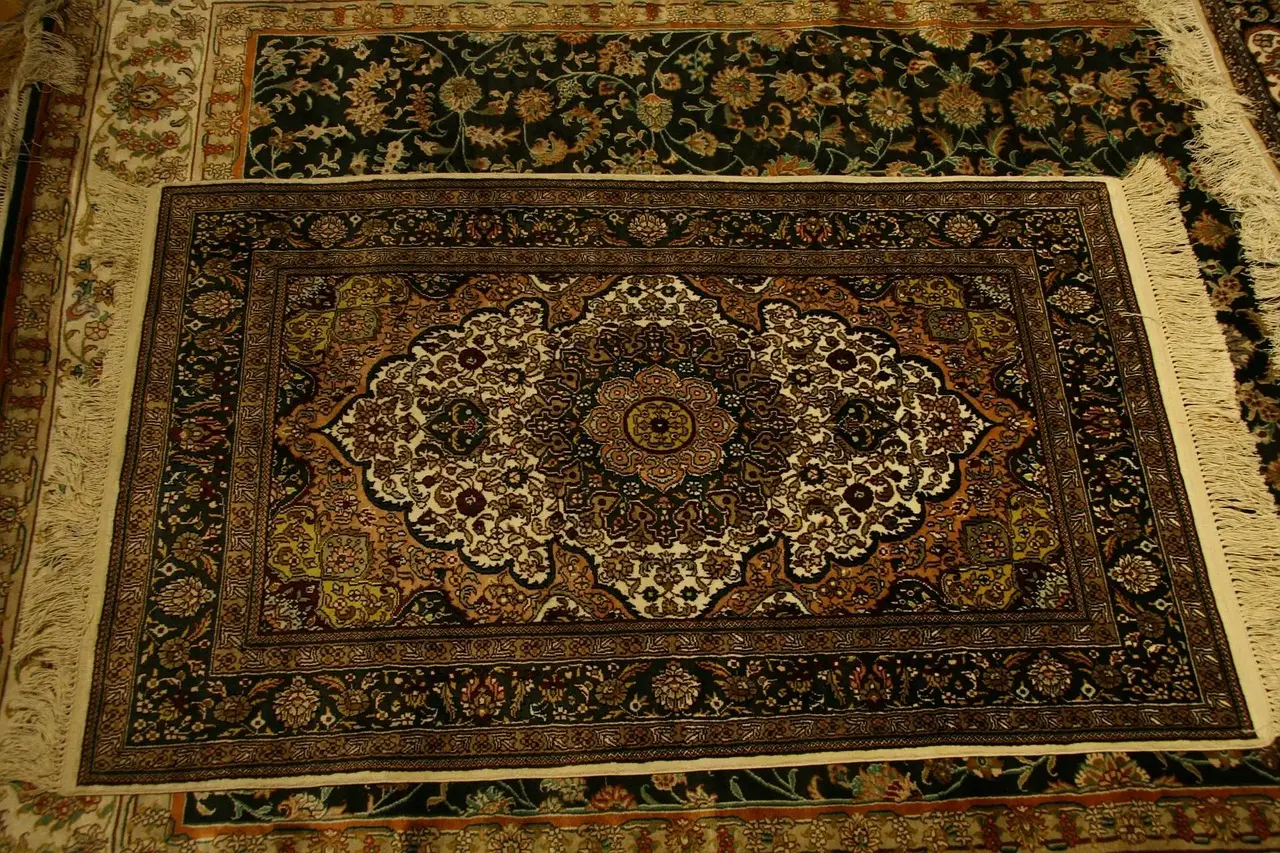
If you can get your hands on a true antique hand-woven rug, you have a great find. The worn and lived-in look of vintage rugs continues to be popular in 2025 and 2026. Even rugs that are not true antiques but just good, used vintage can sell well. The trick is knowing where to look. Thrift stores and estate sales are prime hunting grounds, and many of them can be cleaned yourself fairly easily.
What makes vintage rugs especially compelling right now is that their value is rising from a relatively low base. Younger buyers are embracing vintage for both aesthetic and sustainability reasons, while affluent collectors continue to invest in tangible assets. A faded, hand-knotted wool rug from the mid-twentieth century that might have sold for almost nothing five years ago can command real money today in the right venue.
Art Deco and Art Nouveau Decorative Pieces
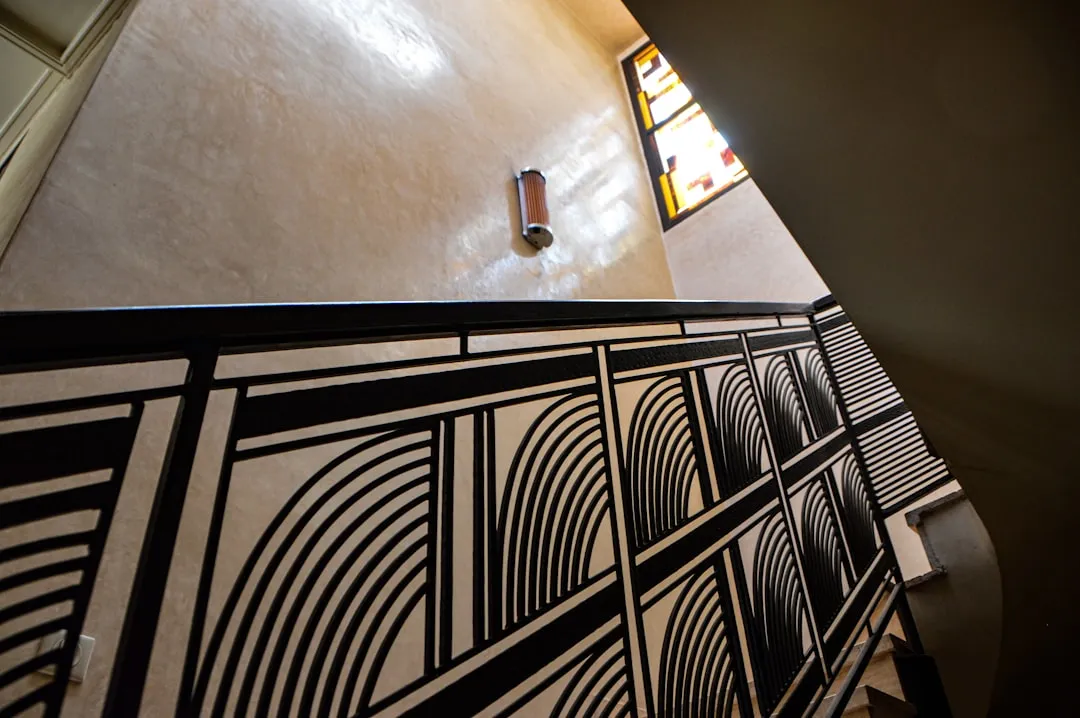
It’s worth keeping an eye out for Art Deco and Art Nouveau pieces. According to Anthony Barzilay Freund, Editorial Director at 1stDibs, antiques from the late 19th and early 20th centuries, particularly those from the Art Nouveau and Art Deco periods, are likely to be sought after in 2026. Many of these pieces still sit unrecognized in living rooms and storage boxes.
The growing interest in Art Deco and Art Nouveau heading into 2025 and 2026 is expected to drive up demand for furnishings in these styles, while mid-century modern pieces remain highly sought after as well. Decorative clocks, small bronze figures, and ceramic vases from this period are particularly worth inspecting before you donate or discard them.
Vintage Advertising Tins and Coffee Tins
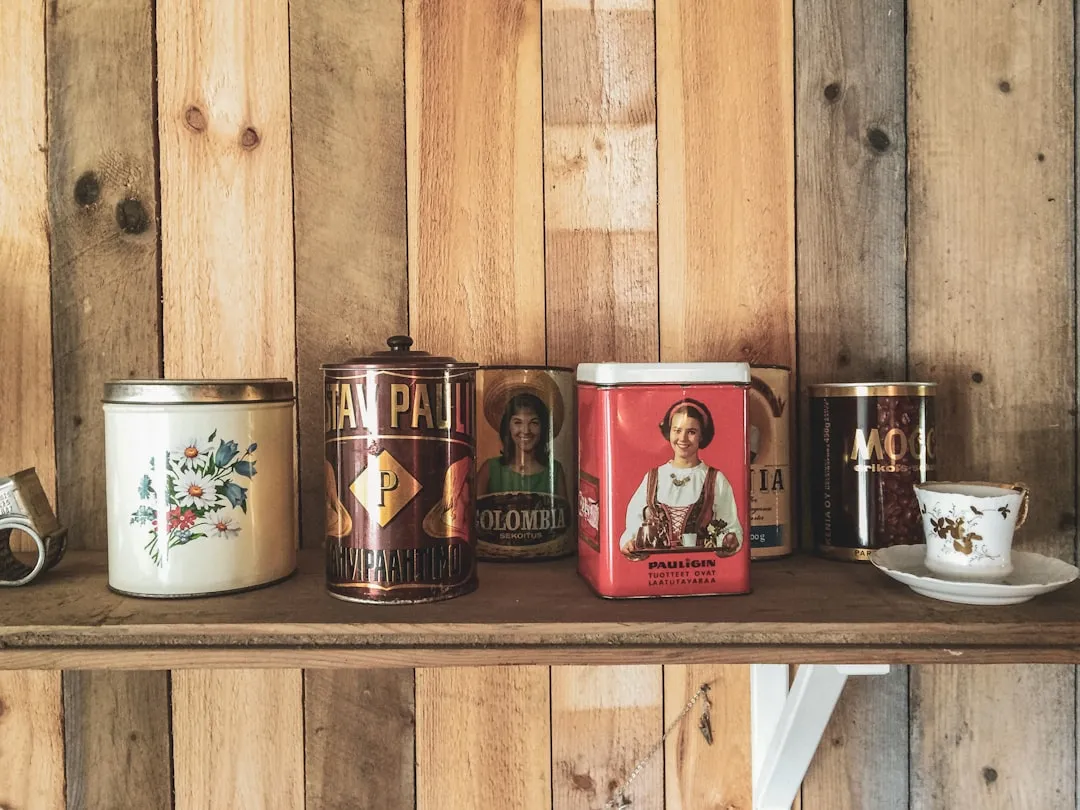
Among advertising tins, coffee tins are still doing well, particularly the one-pound size. Prices of these have gone up significantly over the past decade. The appeal is partly decorative and partly nostalgic. Graphic design from the mid-twentieth century has a bold quality that looks genuinely good in modern kitchens and dining spaces.
These tins frequently show up on garage shelving at estate sales, often holding nuts or bolts. Experienced resellers consider them something of a holy grail at the moment. The fact that so many people still don’t recognize their value means there’s still opportunity for buyers who know what to look for. Condition, color clarity, and original lithography are the main factors driving price.
Vintage Artwork and Framed Prints
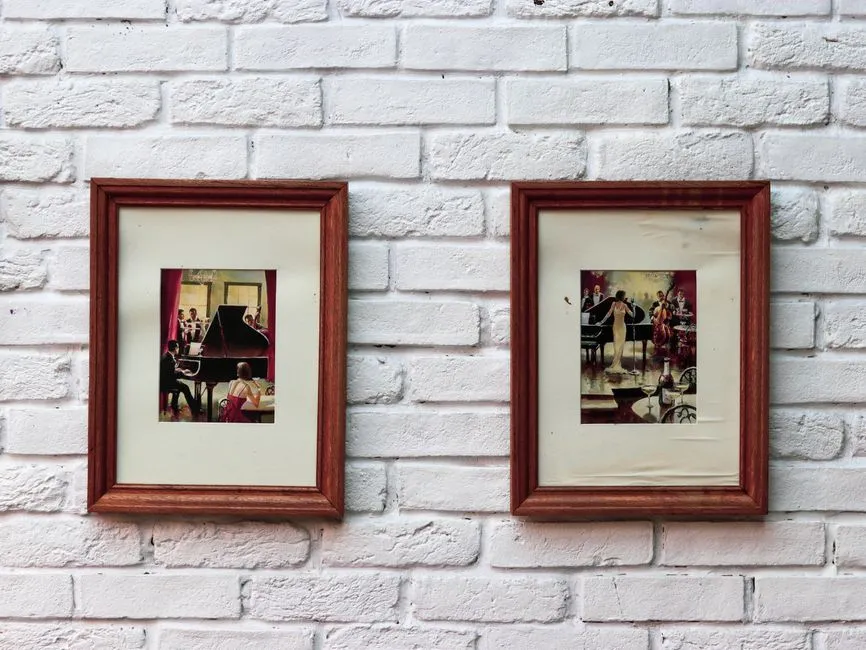
In 2025, vintage artwork has proven to be a strong personal top seller for many resellers working estate sales and antique markets. Artwork, depending on the piece, could be worth a significant amount on the antique market. The challenge is that most people don’t recognize original oil paintings or signed lithographs when they encounter them in thrift stores or estate piles, which is precisely where dealers find them.
Modern collectors crave the history and provenance behind antiques and vintage pieces. Estate items ranging from folk art to heirloom-quality pieces are sought after not just for their aesthetics but because they carry narratives that connect the past with the present. A modest-looking landscape painting in an old frame can sometimes turn out to be a genuine find. Researching signatures and checking auction records before passing anything by is always worthwhile.
Millennium Era Jewelry (1980s and 1990s)
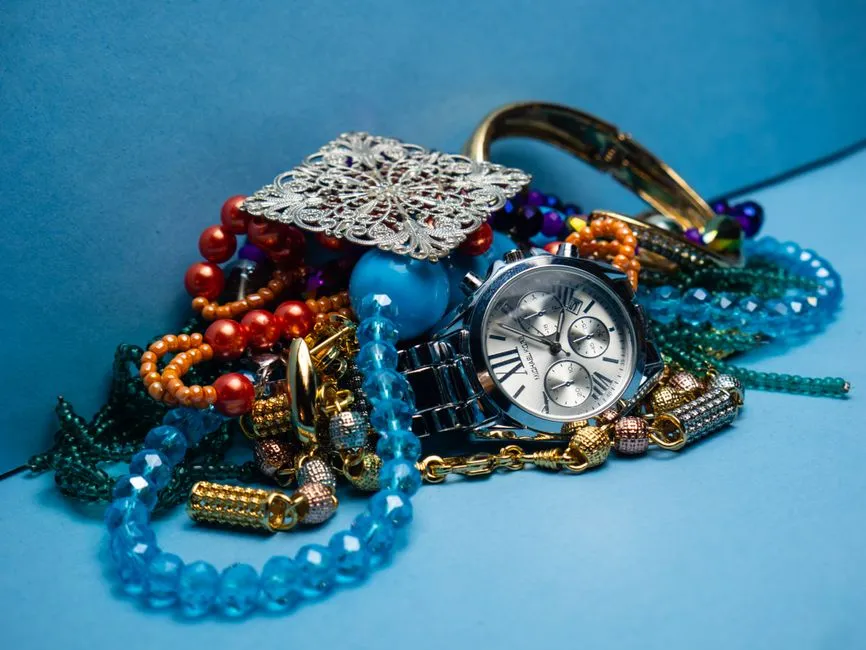
Despite many positive attributes, vintage jewelry from the Millennium era is still inexplicably undervalued in today’s market. This is primarily because 1980s and 1990s jewelry is still regularly coming out of estate sales in abundance. However, in spite of the volume on the market currently, really high-quality pieces are still surprisingly scarce.
A key reason why Millennium era jewelry hasn’t had its moment yet is because it seems so recent. Many collectors haven’t quite caught up to the fact that 1980s and 1990s jewelry is now a full 25 to 50 years old. The fact remains that Millennium era jewelry offers one of the most compelling values in the entire vintage jewelry market at the moment. Bold gold pieces in particular are gaining interest before the wider market catches on.
Antique Mirrors and Small Decorative Objects
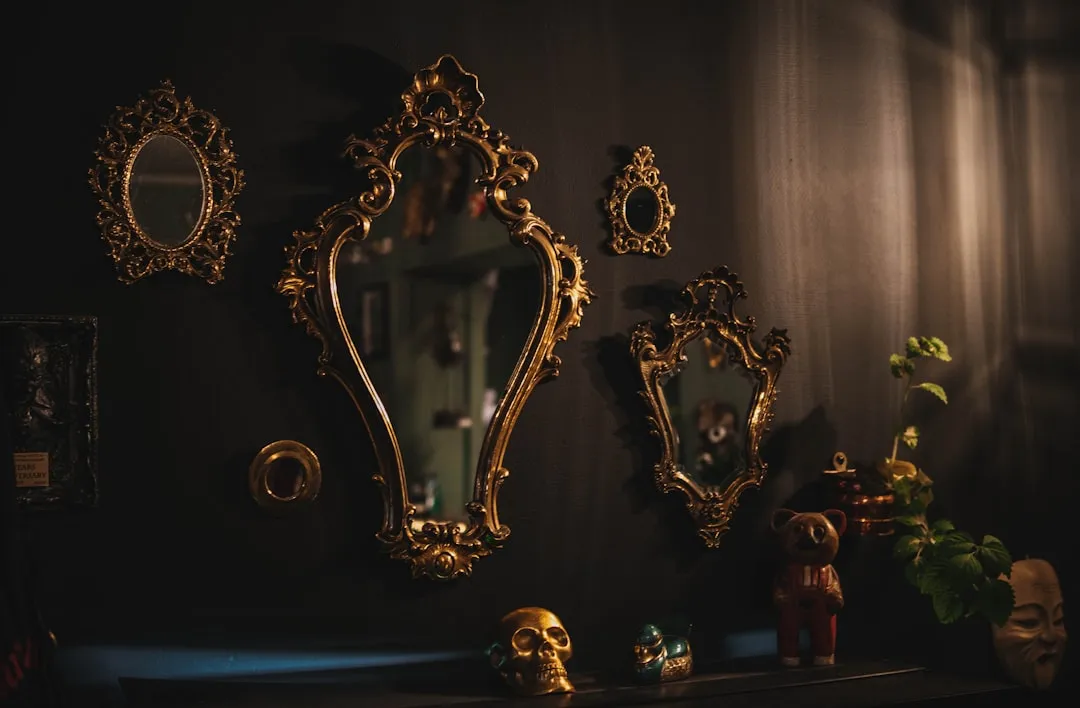
For those looking to start with modest budgets, antique mirrors, pairs of vases, globes, and functional desks still feel luxurious but typically cost less than marquee furniture or lighting. Mirrors in particular tend to be undervalued at estate sales because their condition is hard to judge quickly. A clouded or foxed mirror, once professionally cleaned, can be worth considerably more than its sale price suggests.
Vintage home styling advice for 2026 leans into the power of small details like antique hardware, candleholders, and framed photos, urging people to focus on meaningful accents instead of major renovations. This cultural shift is quietly lifting prices on small decorative objects that were invisible to buyers just a few years ago. There are items that look like they should be more expensive but are still labeled with a fair price. You should count yourself lucky if you find one, because you may have just stumbled across a piece that’s still undervalued, but may not be for long.
The Takeaway
The antiques market is not a mystery, but it does reward people who pay close attention. We’re often surrounded by vintage items worth money, but we walk past them every day because they don’t look like antiques. In 2026, the market for nostalgia has completely shifted. The most interesting opportunities are hiding in plain sight, not in museum-quality showpieces but in the ordinary objects that shaped everyday domestic life for decades.
While design trends may come and go, antiques are always a chic investment, and they can actually grow in value over time. The items listed here share a common thread: they were made well, used hard, and then largely forgotten. That combination of quality and obscurity is exactly the window that serious dealers have always looked for, and that window, for most of these categories, is still open.
AI Disclaimer: This article was created with the assistance of AI tools and reviewed by a human editor.