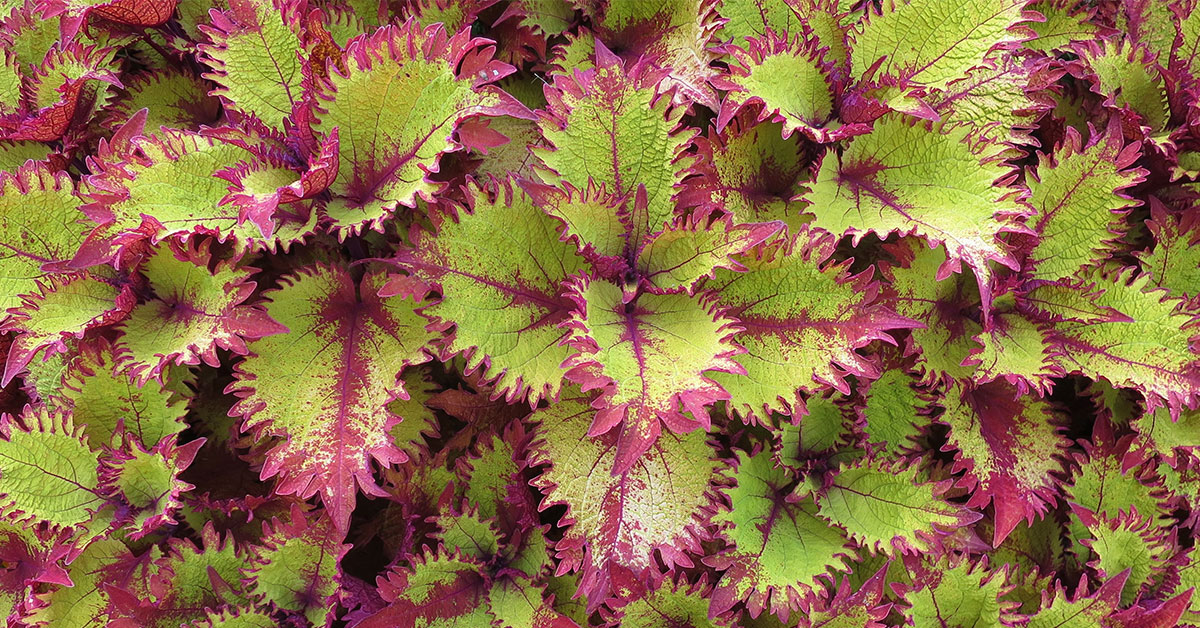

Coleus is a vibrant and versatile plant that has gained popularity among gardeners and plant enthusiasts alike.
Known for its eye-catching foliage in a wide array of colors and patterns, Coleus adds a splash of beauty and charm to any garden or indoor space.
What is a Coleus?
Coleus, scientifically known as Solenostemon scutellarioides is a tropical plant native to Southeast Asia, specifically in regions like Thailand, Malaysia, and Indonesia. It belongs to the Lamiaceae family, which includes other popular plants like mint and basil. Coleus plants are known for their striking and colorful foliage, making them a favorite choice for gardeners looking to add a splash of vibrant hues to their outdoor or indoor spaces.
One of the most notable features of Coleus plants is their foliage, which comes in a wide variety of colors, patterns, and shapes. The leaves can be solid or variegated, ranging from shades of green, yellow, red, purple, and even black. Some Coleus varieties have serrated edges or unique markings that further enhance their visual appeal.
Coleus plants have a long history of cultivation and have been cherished for their ornamental value for centuries. In some cultures, they are believed to bring good fortune and are used in traditional medicinal practices. Over time, many different cultivars and hybrids have been developed, each with its own unique characteristics and attributes.
Where is Coleus native?
Coleus is a popular ornamental plant that is widely cultivated for its vibrant and colorful foliage. While it is commonly seen in gardens and landscapes across the United States, you might be surprised to learn that Coleus is not actually native to North America. In this section, we will explore the native origins of Coleus and delve into which US states have a climate suitable for its growth.
- Native Origins:
The native habitat of Coleus can be traced back to Southeast Asia, specifically in countries like India, Indonesia, Thailand, and Malaysia. The plant thrives in tropical and subtropical regions, where it enjoys warm temperatures and high humidity. Its natural habitat consists of moist, well-draining soils, often found in forested areas with partial shade. - Introduction to the United States:
Coleus was introduced to the United States in the 19th century as an ornamental plant. Its striking foliage quickly caught the attention of garden enthusiasts, and it has since become a popular choice for adding color and texture to landscapes and gardens. While it may not be native to North America, it has adapted well to various regions across the United States. - Climate Requirements:
Coleus is known for its ability to tolerate a wide range of climates, but it thrives best in warm, humid environments. In the United States, it can be grown as an annual in almost all states, but it is more commonly found in regions with a longer growing season. The plant prefers temperatures between 70-100°F (21-38°C) and does not tolerate frost. - States Suitable for Coleus Growth:
Although Coleus can be grown in many states across the United States, some regions are more conducive to its growth than others. States with warmer climates, such as Florida, Texas, California, and Louisiana, provide ideal conditions for year-round cultivation. Additionally, states in the Southeast, including Georgia, Alabama, and South Carolina, offer suitable conditions for Coleus to thrive.
While Coleus is not native to the United States, it has become a beloved ornamental plant in gardens and landscapes across the country. Its vibrant foliage and adaptability to various climates make it a versatile choice for both indoor and outdoor cultivation. Whether you live in a warm, tropical region or a cooler climate, there are many ways to enjoy the beauty of Coleus in your own garden.
How to start from seed
If you’re a fan of vibrant and colorful foliage, then Coleus is the perfect plant for you. With its stunning array of leaf colors and patterns, Coleus can add a pop of excitement to any garden or indoor space. While you can purchase Coleus plants from nurseries, starting them from seed can be a rewarding and cost-effective option.
- Selecting the Right Seeds:
To start from seed, the first step is to choose the right seeds. Coleus seeds come in a variety of colors and patterns, so you can select ones that match your desired aesthetic. Look for reputable seed suppliers or consider saving seeds from mature Coleus plants in your own garden. Remember to check the germination rate on the seed packet to ensure you have a good chance of successful sprouting. - Preparing the Soil:
The seeds require a well-draining soil mix to ensure healthy growth. Prepare a seed-starting tray or small pots with a mixture of potting soil, perlite, and vermiculite. This combination provides good drainage while retaining enough moisture for the seeds to sprout. Fill the containers with the soil mix, leaving about half an inch of space at the top. - Sowing the Seeds:
Sprinkle the Coleus seeds evenly over the soil surface, aiming for one or two seeds per pot or cell. Gently press the seeds into the soil, but avoid burying them too deeply. Coleus seeds require light to germinate, so do not cover them with additional soil. Mist the soil with water to ensure it is evenly moist but not saturated. - Providing Optimal Growing Conditions:
Coleus seeds require warm temperatures to germinate. Place the seed trays or pots in a warm location, such as near a sunny window or on a heat mat. Maintain a temperature of around 70-75°F (21-24°C) for optimal germination. It may take 7-14 days for the seeds to sprout, so be patient and keep an eye on the soil moisture level. - Caring for Seedlings:
Once the seedlings emerge, they will need proper care to develop strong and healthy roots. Keep the soil consistently moist, but be careful not to overwater, as this can lead to fungal diseases. Provide the seedlings with bright, indirect light to promote healthy growth. If the seedlings become leggy, consider using a grow light to provide additional light intensity. - Transplanting Seedlings:
When the Coleus seedlings have developed a few sets of true leaves and are about 2-3 inches tall, they are ready for transplanting. Choose a permanent location with partial shade or filtered sunlight for your Coleus plants. Gradually acclimate the seedlings to outdoor conditions by exposing them to increasing amounts of sunlight and outdoor temperatures over the course of a week.
How to grow this plant in your garden
Originally native to Southeast Asia, Coleus has gained popularity all over the world for its easy maintenance and stunning variety of leaf colors and patterns. Learning the various aspects of growing Coleus, from selecting the right variety to providing proper care and maintenance, is important knowledge to have.
Selecting the Right Coleus Variety: When it comes to selecting the right Coleus variety, the choices are almost endless. Coleus plants come in a wide range of leaf colors, patterns, and sizes, allowing you to choose the perfect one that suits your preferences and the environment it will be grown. Some popular varieties include ‘Wizard Sunset’, ‘Kong Rose’, ‘Rainbow Mix’, and ‘Black Dragon’. Consider factors such as the amount of sunlight your garden receives and the overall aesthetic you want to achieve when selecting your Coleus variety.
Growing from Seeds or Cuttings: Coleus can be grown either from seeds or cuttings. If you opt for growing from seeds, start by sowing them indoors 6-8 weeks before the last frost date. Use a well-draining seed-starting mix and lightly cover the seeds with soil. Maintain a temperature of around 70°F (21°C) and keep the soil moist until the seeds germinate, which usually takes about 7-14 days. Once the seedlings have developed a few sets of true leaves, they can be transplanted into individual pots or directly into the garden.
Alternatively, Coleus can also be propagated from cuttings. Take 3-4 inch stem cuttings from a healthy, mature Coleus plant, ensuring that each cutting has at least two sets of leaves. Remove the lower leaves and dip the cut end in a rooting hormone. Plant the cuttings in a well-draining potting mix, keeping the soil consistently moist. In a few weeks, the cuttings will develop roots and can be potted up or planted directly in the garden.
Providing the Right Growing Conditions: Coleus plants thrive in bright, indirect light or partial shade. While some varieties can tolerate full sun, most Coleus prefer filtered sunlight or shade, as the direct sun can cause leaf burn and fading of colors. Ensure that the soil is well-draining and rich in organic matter. Water your Coleus regularly, keeping the soil consistently moist but not waterlogged. Avoid letting the soil dry out completely between waterings, as this can cause the leaves to wilt and drop.
Maintenance and Care Tips: To keep your Coleus plants looking their best, regular maintenance is required. Pinch back the stem tips regularly to encourage bushier growth and prevent the plant from becoming leggy. Remove any yellow or dead leaves promptly to prevent the spread of diseases. Coleus is not a heavy feeder, but you can apply a balanced liquid fertilizer every 4-6 weeks during the growing season to promote healthy growth and vibrant foliage.
Overwintering Coleus: In colder climates, Coleus is typically grown as an annual, as it is not frost-tolerant. However, if you wish to save your favorite Coleus plants for the following year, you can overwinter them indoors. Before the first frost, carefully dig up the Coleus plants from the garden and pot them up in containers. Place them in a well-lit area indoors, away from drafts and heaters. Reduce watering and fertilization during the winter months, and gradually reintroduce them to outdoor conditions in the spring.
How to make coleus bushier
To make coleus bushier and encourage a fuller growth habit, you can follow these simple techniques:
- Pinch or prune the tips: Regularly pinching or pruning the tips of the coleus plants helps stimulate branching and encourages bushier growth. Using your fingers or sharp, clean pruning shears, pinch or cut off the top few inches of the stems. Aim to do this when the plant has at least four to six sets of leaves on each stem. Pinching or pruning can be done throughout the growing season, and it’s best to remove the tips just above a leaf node or pair of leaves.
- Remove leggy growth: If you notice leggy or elongated growth on your coleus, it’s beneficial to prune or pinch off those sections. This promotes compactness and directs energy towards fuller growth. Focus on removing the longer, bare sections of the stems to encourage new growth from lower nodes.
- Regularly remove flower spikes: Coleus plants produce flower spikes that can detract energy from foliage growth. To encourage bushier growth, promptly remove any flower spikes that appear. Pinch or cut them off at the base to prevent the plant from allocating resources towards flowering and instead promote foliage development.
- Provide adequate light: Coleus thrives in bright, indirect light conditions. If the plant is grown in low light, it may become leggy or stretch out in search of more light. Ensure your coleus receives enough light to maintain compact growth and vibrant foliage.
- Maintain proper watering: Consistent watering is essential for healthy coleus growth. Avoid allowing the plant to wilt or dry out excessively between waterings, as it can stress the plant and hinder bushier growth. However, overwatering can lead to root rot and other problems, so it’s important to find the right balance. Water the plant thoroughly when the top inch of soil feels dry, and make sure the container has good drainage.
- Fertilize appropriately: Regular fertilization can provide the necessary nutrients for robust growth. Use a balanced, water-soluble fertilizer or slow-release granules formulated for foliage plants. Follow the instructions on the fertilizer package for proper dosage and application frequency. Avoid overfertilization, as it can lead to excessive leggy growth.
By implementing these techniques, you can promote bushier growth in your coleus plants and enjoy their lush and vibrant foliage. Regular maintenance and care will help maintain their desired shape and appearance.
Propagation
Propagation of coleus (Plectranthus scutellarioides) can be done through various methods, including stem cuttings, seed sowing, or division. The most common and successful method is by taking stem cuttings. Here’s a step-by-step guide on how to propagate coleus using stem cuttings:
- Select a healthy parent plant: Choose a mature, healthy coleus plant with vibrant foliage and no signs of disease or stress. This will ensure that the propagated plant inherits the desirable traits.
- Prepare the tools and materials: Gather the necessary tools and materials before you start. You’ll need a clean pair of sharp scissors or pruning shears, a clean container or pot filled with a suitable growing medium (such as a mix of peat moss and perlite), and a clear plastic bag or a propagator dome to create a humid environment.
- Take stem cuttings: Identify a stem on the parent plant that is about 3 to 6 inches long and has several sets of leaves. Using the scissors or pruning shears, make a clean cut just below a leaf node, which is the point where leaves emerge from the stem. Remove any lower leaves, leaving only a few sets of leaves at the top.
- Prepare the cuttings: If the lower leaves are large, you can trim them in half to reduce moisture loss. Leave a few small leaves at the top. Dip the cut end of the stem in a rooting hormone powder or gel to promote root development (this step is optional but can increase success rates).
- Plant the cuttings: Make a small hole in the growing medium in the container and gently insert the lower end of the cutting into it. Press the soil around the base of the cutting to ensure good contact and stability. If you’re propagating multiple cuttings, space them out appropriately in the container.
- Create a humid environment: Place the container with the cuttings inside a clear plastic bag or cover it with a propagator dome to create a mini greenhouse effect. This will help retain moisture and create a humid environment, which encourages root development. Make sure the plastic doesn’t touch the leaves of the cutting to prevent rot.
- Provide the right conditions: Place the container in a warm location with bright, indirect light. Avoid direct sunlight, as it can scorch the cuttings. Maintain a temperature between 70-75°F (21-24°C) for optimal root growth. Check the moisture level of the growing medium regularly and water lightly if it feels dry.
- Monitor and care for the cuttings: After a few weeks, new growth should start emerging from the cuttings, indicating that roots are forming. At this stage, you can gradually acclimate the cuttings to lower humidity by opening the bag or removing the dome for short periods each day. This helps the plants adjust to normal conditions.
- Transplanting: Once the cuttings have developed a good root system, usually in 4-6 weeks, they can be transplanted into individual pots or into the garden. Use a well-draining potting mix or plant them in a suitable outdoor location with well-prepared soil.
By following these steps, you can successfully propagate coleus from stem cuttings and enjoy a new generation of these colorful and ornamental plants.
What to plant with Coleus
When selecting companion plants to grow in containers alongside coleus, it’s important to consider their compatibility in terms of growth requirements, aesthetics, and complementary characteristics. Here are some popular companion container plants that pair well with coleus:
- Petunias: These vibrant annual flowers come in a wide range of colors and complement the colorful foliage of coleus. Both plants have similar sun and water requirements, making them compatible companions.
- Calibrachoa (Million Bells): Like petunias, calibrachoa is another flowering plant that offers a profusion of small, bell-shaped blossoms in various colors. They thrive in similar growing conditions and can add a cascading effect when combined with upright coleus varieties.
- Sweet Potato Vine (Ipomoea batatas): The trailing nature and attractive foliage of sweet potato vine make it an excellent companion for upright coleus varieties. The vine’s heart-shaped leaves come in various shades of green, purple, and chartreuse, providing a lovely contrast to coleus.
- Verbena: With its abundant clusters of small, colorful flowers, verbena adds a splash of color and attracts pollinators. It is a sun-loving plant that pairs well with sun-tolerant coleus varieties.
- Lobelia: This compact annual plant features delicate, cascading blooms in shades of blue, purple, white, or pink. Lobelia’s petite flowers create a beautiful contrast when combined with the bold foliage of coleus.
- Dusty Miller (Senecio cineraria): The silvery-gray foliage of Dusty Miller serves as an excellent backdrop for the vibrant colors of coleus. Its soft texture and contrasting color create an interesting visual effect.
- Nemesia: These charming annuals produce fragrant, trumpet-shaped flowers in various colors, including pink, purple, orange, and yellow. They prefer similar growing conditions to coleus and add a delightful fragrance to the container.
- Scaevola (Fan Flower): The fan-shaped flowers of scaevola, available in shades of blue, lavender, pink, or white, offer a unique and eye-catching look. They can be planted alongside coleus to create an appealing combination.
- Bacopa: This trailing plant produces dainty, five-petaled flowers in white or shades of blue. It thrives in moist soil and partial shade, making it a suitable companion for shade-loving coleus varieties.
Remember to consider the growth habits, light requirements, and watering needs of both coleus and its companion plants when creating container combinations. Regularly monitor the moisture levels and adjust watering accordingly to ensure all plants thrive in the shared container environment.
Interesting facts about Coleus
Often grown for its vibrant foliage, Coleus is a popular choice among gardeners and plant enthusiasts. Here are some intriguing facts about this beautiful plant that we found noteworthy:
- Rich History and Origins:
Coleus has a rich history dating back centuries. It is native to Southeast Asia, specifically Indonesia, Malaysia, and parts of Australia. The plant was introduced to Europe in the 19th century and quickly gained popularity for its attractive leaves. It was named Coleus, derived from the Greek word “koleos,” meaning sheath or covering, referring to the way its flowers are enclosed in a protective case. - Varied Leaf Patterns and Colors:
One of the most remarkable features of Coleus is its diverse range of leaf patterns and colors. From solid hues to intricate patterns, there is a Coleus variety to suit every taste and garden theme. The leaves can display combinations of green, pink, red, yellow, purple, and cream, often with striking veining and marbling. This variety makes Coleus a versatile addition to any garden or indoor space. - Easy to Grow:
Whether you’re an experienced gardener or just starting, Coleus is a great choice as it is relatively easy to grow. It thrives in well-draining soil and prefers partial shade to full sun, depending on the variety. Coleus is widely adaptable and can be grown both indoors and outdoors, making it accessible to all plant enthusiasts. - Propagation and Maintenance:
Coleus can be propagated from cuttings, which makes it an excellent plant for sharing with friends and family. Simply take a stem cutting, remove the lower leaves, and place it in a glass of water or a well-draining potting mix. Within a few weeks, roots will develop, and you can transplant them into a larger container or directly into the garden.
Maintenance for this plant is relatively low. Regular watering and occasional fertilization are usually sufficient to keep the plant healthy. To maintain its vibrant foliage, pinch back the stems regularly to encourage bushier growth and prevent legginess.
- Medicinal and Therapeutic Uses:
Beyond its aesthetic appeal, it has also been used for medicinal purposes in traditional medicine. The plant contains forskolin, a compound that has been studied for its potential benefits in treating asthma, allergies, and various cardiovascular conditions. However, it’s important to note that further research is still needed to fully understand and validate these uses.