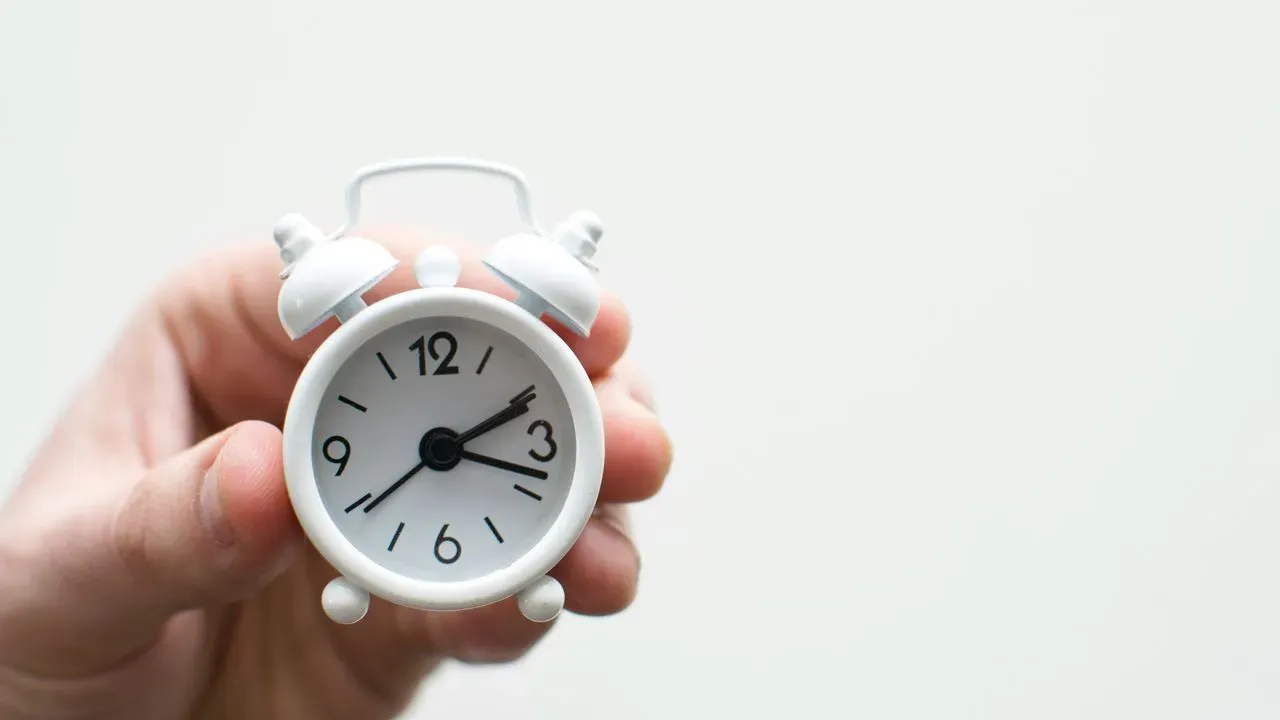

Across the United States, the familiar ritual of turning clocks back one hour returns in November. Many had hoped this year might bring a different outcome after lawmakers floated several ideas for ending the twice-yearly shift. Instead, the seasonal adjustment proceeds without interruption.
A Familiar November Routine
The first Sunday in November marks the return to standard time for most of the country. People set their clocks back an hour, gaining a bit more morning light at the cost of earlier sunsets. This pattern has held for decades, even as debates about its value continue in homes, workplaces, and statehouses. Shorter days soon shape daily life. Commuters leave for work in darkness and return home under fading light. Gardeners wrap up final harvests and prepare beds for winter while evenings arrive sooner than they did just weeks before.
Three Ideas That Did Not Advance
This year brought renewed attention to possible changes in how the nation handles seasonal time. Three distinct approaches surfaced in discussions at the federal level. None moved forward into law before the November adjustment. The result leaves the existing system intact. Clocks will still fall back as usual next month, preserving the long-standing schedule of springing forward in March and falling back in November. The absence of new rules means households and businesses plan around the same calendar they have followed for years.
Everyday Effects on Fall Life
The clock change influences more than just schedules. It affects energy use, mood, and outdoor activities during the transition months. Many notice the sudden shift in daylight patterns as they adjust routines for school, work, and leisure. For those tending gardens or managing seasonal chores, the earlier darkness signals the close of the growing season. Tasks once completed after dinner now require earlier starts or artificial light. The predictable return to standard time offers a reliable cue for these end-of-year preparations.
Looking Ahead
With no legislation enacted, the twice-yearly clock adjustment remains part of American life for the foreseeable future. Future sessions of Congress could revisit the topic, yet the current reality stands clear. Americans will once again mark the change on their calendars and reset their devices accordingly.
AI Disclaimer: This article was created with the assistance of AI tools and reviewed by a human editor.