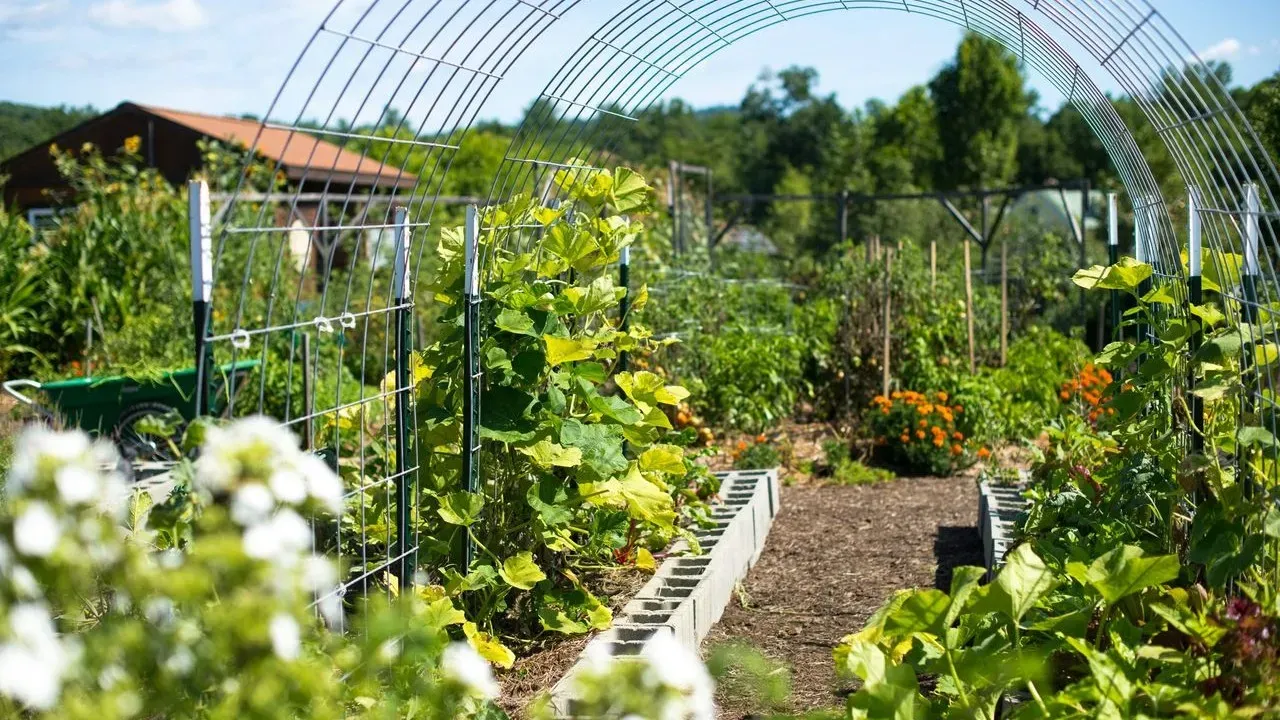

Gardeners across many regions are noticing more frequent heatwaves, prolonged dry spells, and intense storms that test even well-established plantings. Rather than viewing these shifts as a signal to rip everything out and begin anew, many are discovering that targeted adjustments to existing beds can strengthen resilience over time. The approach focuses on working with what is already in place, emphasizing practical changes to planting selections and watering routines that help gardens cope with weather extremes ([1]).
Why Existing Gardens Can Adapt
Established gardens often contain mature root systems and soil structures that already provide a foundation for stability. These elements can be enhanced rather than replaced, allowing plants to better withstand periods of stress without the disruption of major excavation. The key lies in recognizing that resilience builds gradually through consistent, smaller interventions rather than wholesale replacement.
Soil health plays a central role in this process. Improving organic matter content helps retain moisture during dry periods while also aiding drainage when rainfall arrives in heavy bursts. Gardeners who focus on these underlying conditions frequently see improvements in plant vigor without needing to alter the overall layout.
Strategic Planting Adjustments
One effective step involves introducing more diverse species that tolerate a wider range of conditions alongside existing favorites. This does not require removing current plants; instead, gaps or edges can be filled with varieties known for deeper roots or greater heat tolerance. Over time, the mix creates a buffer against single-weather events that might otherwise damage a uniform planting.
Layering vegetation at different heights also contributes to resilience. Taller plants can offer partial shade to lower layers during heat, while ground covers help stabilize soil against erosion from storms. These additions integrate with what is already growing and reduce the need for extensive replanting.
Timing matters as well. New introductions often establish more successfully when placed during milder seasons, allowing roots to develop before facing peak stress periods. This measured pace supports long-term adaptation without sudden upheaval.
Refining Watering and Maintenance Habits
Watering practices can shift toward deeper, less frequent applications that encourage roots to grow farther down, improving access to moisture reserves. Mulching around existing plants helps conserve soil moisture and moderates temperature fluctuations at the surface. These changes build on current routines rather than demanding new infrastructure.
Monitoring and responding to local conditions becomes more important than rigid schedules. Observing how different areas of the garden perform during extremes allows for fine-tuning, such as directing supplemental water to vulnerable spots or adjusting drainage in low-lying sections. Such observations turn everyday care into a tool for greater durability.
Looking Ahead With Measured Steps
Progress in climate-resilient gardening often comes from observing results over multiple seasons rather than expecting immediate transformation. Small, repeated actions compound, strengthening the garden’s capacity to handle variability while preserving its character and established features. This incremental path offers a realistic route for many who wish to protect their outdoor spaces amid changing conditions.
AI Disclaimer: This article was created with the assistance of AI tools and reviewed by a human editor.