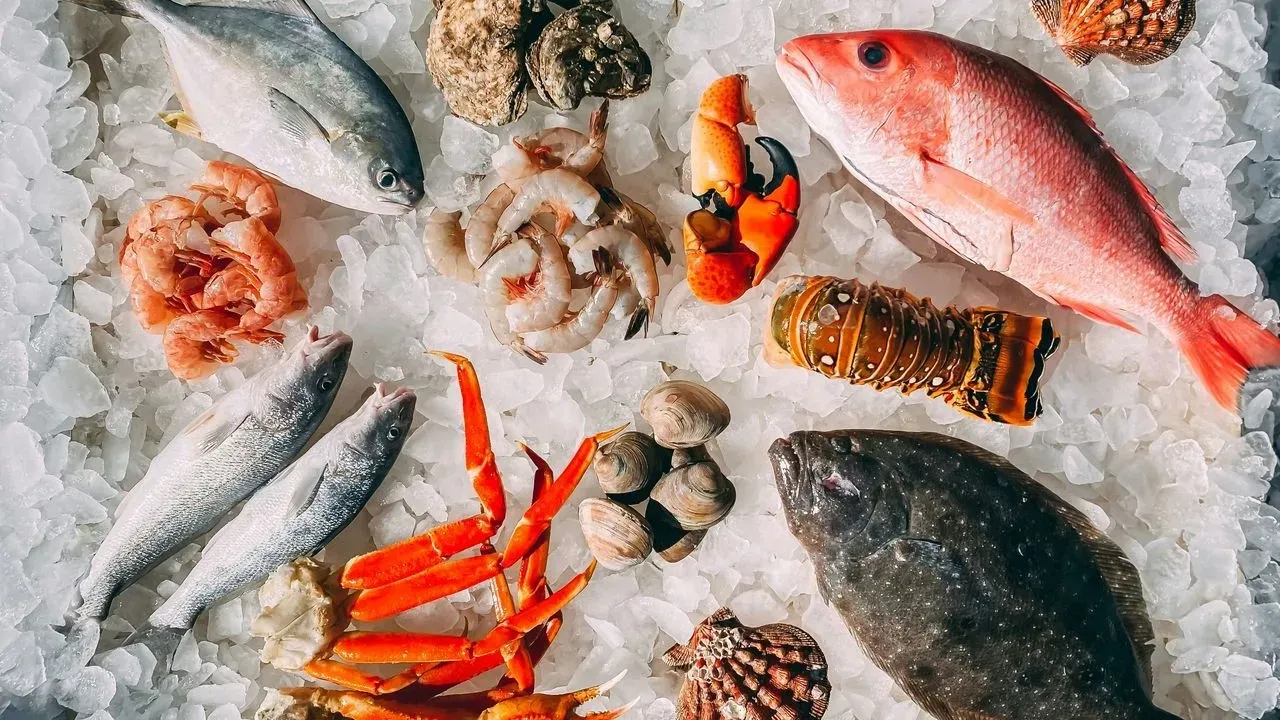

Environmental pressures are steadily driving up the cost of fish and shellfish that once appeared regularly on American dinner tables. As waters warm and weather patterns shift, the expenses tied to catching and harvesting these species continue to climb. The result is a quiet transformation in which familiar seafood moves out of reach for many households. ([1])
Why Harvesting Costs Keep Rising
Fishermen and shellfish growers face higher fuel needs as they travel farther to find viable stocks. Changing ocean temperatures alter migration routes, forcing longer trips and more time at sea. Equipment must also withstand stronger storms and rougher conditions that have become more common in recent years.
These added operational demands translate directly into higher prices at markets and restaurants. Species once considered everyday options now carry price tags that reflect the increased effort required to bring them to shore. The pattern affects both wild-caught fish and farmed shellfish in different regions.
The Shift From Common to Costly
Items such as certain clams, oysters, and groundfish that filled weekly shopping lists a generation ago now appear less frequently in average households. Their rising prices mirror broader changes in marine ecosystems that make consistent supply more difficult. Consumers notice the difference most clearly when comparing current receipts to those from just a few years earlier.
This evolution resembles a form of gentrification in the seafood aisle, where once-accessible proteins become premium choices. Families adjust by selecting fewer portions or switching to alternatives that remain more affordable. The change unfolds gradually, yet its cumulative effect on menus and meal planning is unmistakable.
What Remains Uncertain
Scientists continue to study how quickly different species will adapt or decline under ongoing climate trends. Some fisheries may stabilize with new management practices, while others could face persistent challenges. The exact pace of price increases depends on both environmental conditions and future policy responses.
Regional variations also matter. Coastal communities with strong local fleets may experience different outcomes than inland markets that rely on long supply chains. Ongoing monitoring will clarify which adjustments prove most effective at keeping a wider range of seafood accessible.
Looking Ahead for Consumers and Producers
Producers are exploring new techniques and locations to offset rising costs, though success varies by species and geography. Consumers, meanwhile, weigh trade-offs between favorite dishes and budget realities. The broader picture points to a seafood market that continues to evolve under sustained environmental influence.
Understanding these dynamics helps explain why certain items have grown more expensive without requiring dramatic predictions. The trend reflects measurable pressures on harvesting rather than sudden shortages alone. Over time, both supply and demand will continue to adjust to the new conditions.
AI Disclaimer: This article was created with the assistance of AI tools and reviewed by a human editor.