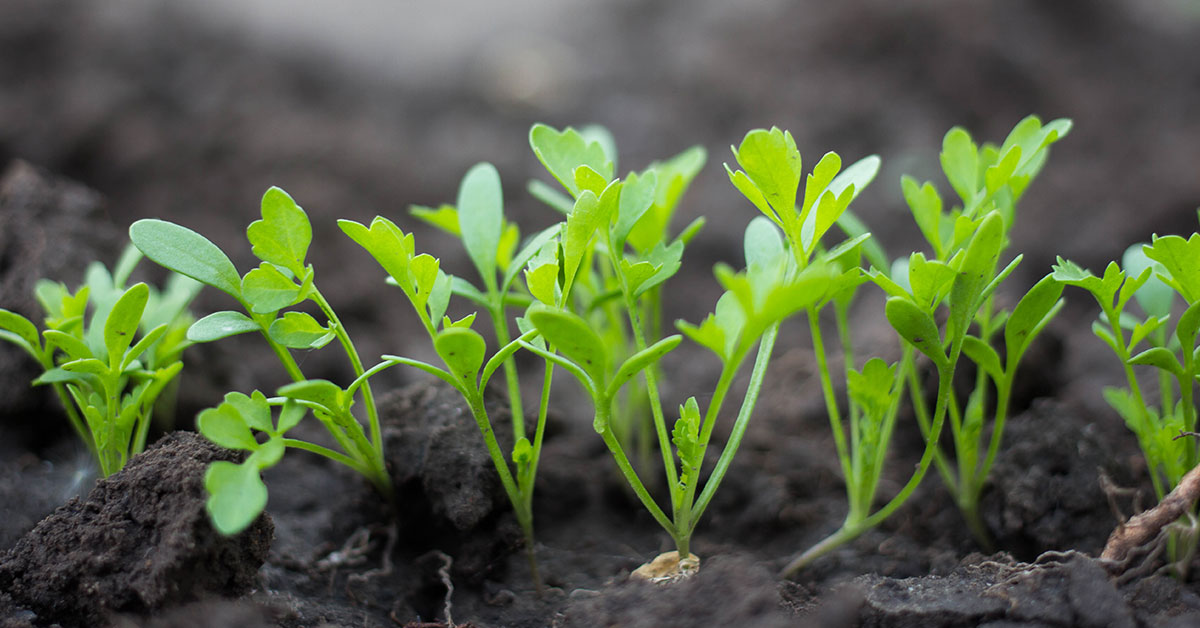

Arugula, also known as rocket or roquette, is a classic and versatile leafy green that has been enjoyed for centuries. With its distinctive peppery flavor and delicate texture, arugula adds a unique twist to salads, sandwiches, pasta dishes, and more. Beloved by chefs and home cooks alike, this green has stood the test of time and continues to be a staple in many culinary traditions around the world.
In this article, we will delve into the fascinating history of classic arugula, explore its nutritional benefits, and provide tips on how to grow and care for this delightful green in your own garden. Whether you are a seasoned gardener or a novice enthusiast, join us as we uncover the secrets of cultivating and enjoying the timeless beauty of classic arugula.
What is a Classic Arugula?
Classic arugula, also known as rocket or roquette, is a versatile leafy green vegetable that belongs to the Brassicaceae family. It is native to the Mediterranean region and has been cultivated for centuries for its distinctive peppery flavor and nutritional benefits. The leaves of classic arugula are deeply lobed and have a bright green color.
They are tender and slightly crispy, with a unique taste that is often described as spicy or mustard-like. This flavor adds a tangy kick to salads and other dishes. Classic arugula is a cool-season crop that thrives in moderate temperatures between 50 to 70 degrees Fahrenheit (10 to 20 degrees Celsius). It can be grown in both gardens and containers, making it accessible to home gardeners with limited space.
This leafy green is relatively easy to grow and matures quickly, usually within 30 to 40 days from sowing. It prefers well-draining soil and requires regular watering to keep the soil moist but not waterlogged. Arugula plants can reach a height of about 8 to 12 inches (20 to 30 centimeters) and produce clusters of small white flowers if left to bolt. In terms of nutritional value, classic arugula is rich in vitamins A, C, and K, as well as minerals like calcium, iron, and potassium. It is also low in calories and high in antioxidants, making it a healthy addition to a balanced diet.
In the kitchen, classic arugula can be enjoyed in various ways. Its peppery flavor makes it a popular choice for salads, where it can be combined with other greens, fruits, nuts, and cheeses. It can also be used as a topping for pizzas, added to sandwiches, or incorporated into pasta dishes for an extra burst of flavor. Overall, classic arugula is a versatile and flavorful leafy green that adds a unique taste to many dishes. Whether you are a beginner gardener or an experienced one, growing this vibrant vegetable can be a rewarding and delicious experience.
What does Classic Arugula taste like?
A Classic Arugula has a unique and distinct taste that sets it apart from other salad greens. It offers a peppery and slightly bitter flavor profile with a hint of nuttiness. The taste can be described as tangy and zesty, with a pleasant sharpness that adds depth to salads and other dishes.
The leaves of the Classic Arugula are tender and delicate, contributing to its enjoyable eating experience. They have a refreshing quality that provides a nice contrast to milder greens like lettuce or spinach.
When consumed, the taste of arugula leaves tends to linger on the palate, leaving a lasting, slightly spicy aftertaste. This characteristic makes it a favorite among those who appreciate bolder flavors in their meals.
Overall, the taste of a Classic Arugula is vibrant, lively, and full of personality, making it a wonderful addition to salads, sandwiches, pasta dishes, and even as a garnish for various culinary creations.
How to start from seed
Starting a classic arugula (Eruca sativa) is a relatively straightforward process. Here is a step-by-step guide to help you get started:
- Selecting Seeds: Look for high-quality arugula seeds from a reputable vendor or nursery. Classic arugula seeds are widely available and often sold in seed packets.
- Timing: Arugula is a cool-season crop, so it’s best to sow the seeds in early spring or late summer/early fall. It grows best in temperatures between 50°F to 70°F (10°C to 21°C). Avoid sowing during the hottest parts of summer, as arugula can bolt (go to seed) quickly in high temperatures.
- Soil Preparation: Arugula prefers well-draining soil with a pH between 6.0 and 7.0. Prior to sowing, prepare the soil by removing any weeds or debris. Loosen the soil with a garden fork or tiller and amend it with organic matter, such as compost or well-rotted manure, to improve its fertility.
- Sowing Seeds: Arugula seeds are small and should be sown directly into the garden bed. Create shallow furrows in the soil, about ¼ inch deep, and space them around 1 inch apart. Alternatively, you can broadcast the seeds evenly across the bed and lightly rake them into the soil. Aim for a consistent sowing depth.
- Watering: After sowing, water the bed gently to ensure the soil is moist. It’s important to keep the soil consistently moist throughout the germination and growing process. Avoid overwatering, as excessive moisture can lead to rotting or fungal diseases.
- Germination and Thinning: Arugula seeds typically germinate within 5 to 10 days. Once the seedlings have emerged and grown a couple of inches tall, thin them out to provide enough space for each plant to grow. Thin the seedlings to a spacing of around 4 to 6 inches apart, depending on your desired final plant size.
- Light and Temperature: Arugula thrives in full sun but can tolerate some partial shade. Ensure the plants receive at least 4 to 6 hours of sunlight each day. If growing arugula in hotter regions, providing some shade during the hottest part of the day can help prevent premature bolting.
- Care and Maintenance: Regularly monitor the soil moisture and water whenever the top inch of soil feels dry. Apply mulch around the plants to help retain moisture and suppress weed growth. Arugula is relatively low-maintenance, but be vigilant for pests like flea beetles or aphids and take appropriate measures if necessary.
- Harvesting: Arugula leaves are ready to harvest when they reach a desirable size, usually around 3 to 6 inches long. You can harvest the outer leaves individually or cut the whole plant about an inch above the soil level. Regularly harvesting the leaves promotes new growth and prevents the plants from going to seed too quickly.
By following these steps, you can successfully start and grow classic arugula in your garden. Enjoy the peppery and flavorful leaves in salads, sandwiches, or as a garnish!
Planting and growing Classic Arugula
Planting and growing Classic Arugula is a fairly straightforward process. Here are the steps:
- Choose a suitable location: Classic Arugula prefers partial shade to full sun. Select a location in your garden that receives at least 4-6 hours of direct sunlight per day.
- Prepare the soil: Arugula grows best in well-draining soil. Amend the soil with organic matter like compost or aged manure to improve its fertility and drainage. Break up any clumps and remove any weeds or rocks.
- Planting seeds: Arugula can be directly sown into the garden or started indoors and transplanted. If you’re sowing seeds directly, scatter them evenly at a depth of about ¼ inch and cover lightly with soil. Space the seeds about 1 inch apart in rows that are approximately 12 inches apart.
- Watering: After planting, water the seeds gently to keep the soil moist but not saturated. Arugula prefers consistent moisture, so water regularly, especially during dry spells. Avoid overwatering, as it can lead to root rot.
- Thinning: Once the arugula seedlings have grown a few inches tall, thin them out to provide enough space for each plant to grow. Thin them to about 6-8 inches apart, allowing the strongest and healthiest-looking seedlings to remain.
- Fertilizing: Arugula is a fast-growing plant and may benefit from a light application of balanced organic fertilizer about 3-4 weeks after planting. Follow the package instructions for application rates.
- Harvesting: Classic Arugula can be harvested when the leaves are about 2-3 inches long. You can snip off individual leaves as needed or cut the entire plant about 1 inch above the soil level. Regular harvesting encourages new growth and prevents the plant from bolting (producing flowers and going to seed).
- Pests and diseases: Arugula is generally resistant to pests and diseases. However, keep an eye out for common garden pests like aphids or flea beetles. If necessary, you can use organic pest control methods like neem oil or insecticidal soap.
- Successive plantings: To ensure a continuous harvest, consider planting arugula in successive batches every 2-3 weeks.
By following these steps, you should be able to successfully plant and grow Classic Arugula in your garden. Happy gardening!
When to harvest
The best time to harvest Classic Arugula is when the leaves are young and tender, typically around 4-6 weeks after sowing the seeds. You can start harvesting the outer leaves when they reach about 4-6 inches in length. Be sure to harvest regularly to encourage new growth and prevent the plant from bolting and becoming bitter.