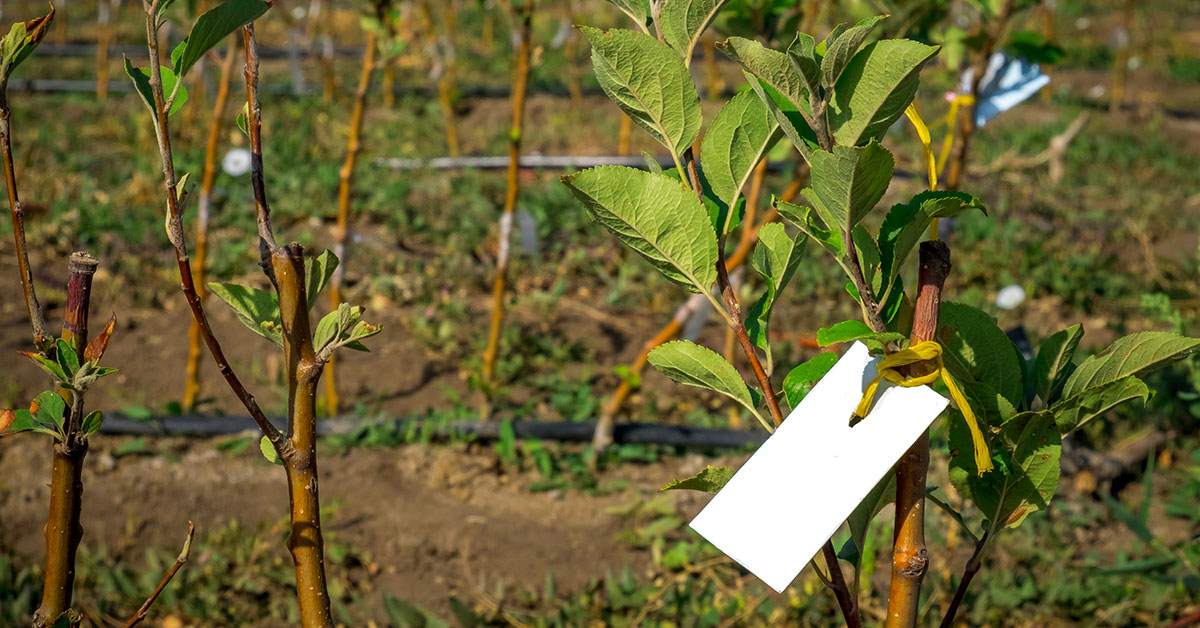

Welcome to the world of pear tree cultivation! In this article, we will delve into the art of growing Clapp’s Favorite Pear, a delightful and highly sought-after variety. Known for its exceptional flavor and juicy texture, Clapp’s Favorite Pear is a favorite among gardeners and fruit enthusiasts alike. Whether you are a seasoned gardener looking to expand your orchard or a beginner eager to embark on your first fruit-growing adventure, this comprehensive guide will equip you with the knowledge and techniques needed to successfully cultivate Clapp’s Favorite Pear trees.
From selecting the right planting location to providing optimal care throughout the growing season, we will cover every aspect of nurturing these magnificent trees, ensuring a bountiful harvest of delectable pears for years to come. So, grab your gardening tools and let’s dive into the wonderful world of Clapp’s Favorite Pear cultivation!
What are Clapp’s Favorite Pears?
Clapp’s Favorite Pear is a popular variety of pear tree known for its delicious fruit and ease of cultivation. It is a medium to large-sized pear with a round shape and a smooth, yellow skin that may have a slight blush of red. The flesh is juicy, sweet, and aromatic, making it a favorite for fresh eating and canning. This pear tree is known for its vigorous growth and can reach a height of 15 to 20 feet when fully mature. It has a spreading habit and requires adequate space to grow.
Clapp’s Favorite Pear is a self-pollinating variety, but planting it near another pear tree can increase fruit production. It is a relatively early ripening pear, usually ready for harvest in late summer or early fall. The fruit should be picked when it is still firm and allowed to ripen off the tree for the best flavor and texture. Clapp’s Favorite Pear is also known for its good storage qualities, allowing you to enjoy the fruit for an extended period.
This pear tree is generally easy to care for and is adaptable to a wide range of soil types. It prefers full sun exposure and regular watering, especially during dry periods. Pruning is necessary to maintain its shape, promote airflow, and remove any dead or diseased branches. Overall, Clapp’s Favorite Pear is a reliable and rewarding choice for home gardeners who want to grow their own delicious pears.
What do Clapp’s Favorite Pears taste like?
Clapp’s Favorite Pear is known for its exceptional flavor profile. It offers a delightful combination of sweetness and tartness, making it a favorite among pear enthusiasts. The flavor is often described as rich, juicy, and aromatic.
The sweetness of Clapp’s Favorite Pear is prominent, with a pleasant, honey-like taste that is not overly sugary. It has a smooth and buttery texture that melts in your mouth, making it a truly enjoyable eating experience. The pear’s natural sweetness is well-balanced with a subtle tartness, adding a refreshing and tangy note to the overall flavor.
One of the distinguishing characteristics of Clapp’s Favorite Pear is its intense aroma. It emits a fragrant scent that is often described as floral and fruity, with hints of citrus and vanilla. This aromatic quality enhances the overall taste experience, making it even more enticing.
When fully ripe, Clapp’s Favorite Pear has a soft and tender flesh that is incredibly juicy. The juice bursts with flavor, offering a refreshing and thirst-quenching sensation. Its high juice content adds to the overall succulence of the pear, making it a perfect choice for enjoying fresh or using in various culinary applications.
Overall, Clapp’s Favorite Pear is a deliciously sweet and slightly tart pear with a rich, buttery texture and an enticing aroma. Its exceptional flavor profile makes it a popular choice for eating fresh, as well as for use in cooking, baking, and preserving.
How to start Clapp’s Favorite Pears from seeds
Clapp’s Favorite Pear is a popular variety known for its sweet and juicy fruit. Here is a guide on how to start growing Clapp’s Favorite Pear:
- Climate and Soil Requirements:
- Clapp’s Favorite Pear thrives in USDA hardiness zones 5-8.
- It prefers well-draining soil with a pH level between 6.0 and 7.0.
- The tree requires a minimum of 6-8 hours of direct sunlight daily.
- Selecting a Planting Site:
- Choose a location with good air circulation and protection from strong winds.
- Ensure the site has enough space for the tree to grow to its full size, as Clapp’s Favorite Pear can reach a height of 15-20 feet.
- Planting:
- Dig a hole that is wide and deep enough to accommodate the roots of the tree.
- Place the tree in the hole, ensuring that the bud union (the swollen area where the scion is grafted onto the rootstock) is above the soil line.
- Backfill the hole with soil, gently firming it around the roots to eliminate air pockets.
- Water thoroughly after planting to settle the soil.
- Watering:
- Provide regular watering during the first year to establish the tree.
- Water deeply, ensuring the soil is moist but not waterlogged.
- Once established, Clapp’s Favorite Pear is moderately drought-tolerant but will benefit from regular watering during dry spells.
- Fertilization:
- Apply a balanced fertilizer, such as a 10-10-10 or 14-14-14, in early spring before new growth begins.
- Follow the manufacturer’s instructions for application rates.
- Avoid over-fertilizing, as excessive nitrogen can lead to excessive vegetative growth at the expense of fruit production.
- Pruning:
- Prune Clapp’s Favorite Pear during the dormant season (late winter or early spring) to shape the tree and remove any dead, damaged, or crossing branches.
- Maintain an open center or modified central leader structure to allow sunlight penetration and good air circulation.
- Pest and Disease Management:
- Monitor the tree regularly for signs of pests such as aphids, pear psylla, or codling moth. Use appropriate organic or chemical controls if necessary.
- Common diseases affecting pear trees include fire blight, pear scab, and powdery mildew. Apply appropriate fungicides as preventive measures or treat as soon as symptoms appear.
- Harvesting:
- Clapp’s Favorite Pear is usually ready for harvest in late summer or early fall.
- The fruit should be firm but not hard when gently pressed.
- Carefully twist or cut the stem near the fruit to avoid damaging the tree.
Remember, growing pear trees requires patience and consistent care. With proper attention to watering, fertilizing, pruning, and pest management, you can enjoy a bountiful harvest of delicious Clapp’s Favorite Pears.
When to plant Clapp’s Favorite Pears outdoors
The ideal time to plant Clapp’s Favorite Pear trees is in late winter or early spring, before the tree starts to bud or flower. This is typically between February and April, depending on your specific climate and location. Planting during this time allows the tree to establish its roots before the onset of hot summer temperatures.
Growing & care guide Clapp’s Favorite Pears
Clapp’s Favorite Pear is a popular variety known for its sweet and juicy fruit. To ensure the health and productivity of your Clapp’s Favorite Pear tree, it is important to follow some best practices for caring for it. Here are some guidelines to help you:
- Planting: Choose a location that receives full sun for at least 6-8 hours a day. The soil should be well-draining, fertile, and slightly acidic with a pH range of 6.0-6.5. Dig a hole that is wide and deep enough to accommodate the root system of the tree. Place the tree in the hole, making sure the bud union (the swollen area where the pear tree was grafted onto the rootstock) is above the soil level. Fill the hole with soil, gently firming it around the roots.
- Watering: Pear trees require regular watering, especially during the first few years of growth. Provide deep watering once a week, ensuring that the soil is moist but not waterlogged. During hot and dry periods, increase the frequency of watering to prevent stress to the tree. Mulching around the base of the tree with organic matter, such as wood chips or compost, helps retain moisture and suppresses weed growth.
- Pruning: Pruning is essential for maintaining the shape, health, and productivity of your Clapp’s Favorite Pear tree. Prune during late winter or early spring when the tree is dormant. Remove any dead, damaged, or diseased branches. Thin out crowded branches to improve air circulation and sunlight penetration. Maintain an open center or modified central leader shape to allow for better fruiting. Regularly remove any suckers or water sprouts that emerge from the base or trunk of the tree.
- Fertilizing: Pear trees benefit from regular fertilization to ensure optimal growth and fruit production. Apply a balanced fertilizer, such as a 10-10-10 or 14-14-14 formula, in early spring before new growth begins. Follow the manufacturer’s instructions for application rates. Avoid over-fertilizing, as it can lead to excessive vegetative growth at the expense of fruit production.
- Pest and Disease Control: Clapp’s Favorite Pear trees are susceptible to various pests and diseases, including pear psylla, codling moth, fire blight, and pear scab. Monitor your tree regularly for signs of infestation or disease. Use organic or chemical controls as necessary, following the recommended guidelines. Pruning out infected branches and practicing good sanitation, such as removing fallen leaves and fruit, can help prevent the spread of diseases.
- Harvesting: Clapp’s Favorite Pears are ready for harvest when they have turned yellow and are slightly soft to the touch. Harvest the pears carefully, as they bruise easily. Twist the fruit gently or use pruning shears to cut the stem close to the fruit. Store the harvested pears in a cool, dark place for a few days to allow them to ripen fully.
By following these best practices, you can ensure the health and productivity of your Clapp’s Favorite Pear tree, enjoying its delicious fruit for years to come.
Harvesting guide for Clapp’s Favorite Pears
Clapp’s Favorite Pear is a popular variety known for its sweet and juicy fruit. Harvesting this pear at the right time is crucial to ensure optimal flavor and texture. Here’s a guide on when and how to harvest Clapp’s Favorite Pear:
- Timing: Clapp’s Favorite Pears are typically ready for harvest in late summer or early fall, usually around August or September. The exact timing can vary depending on your location and climate. To determine if the pears are ready for harvest, perform the following checks:
- Color: The pears should have a yellowish-green color. If they are still mostly green, they are not yet ripe.
- Firmness: Gently press your thumb near the stem end of the pear. If it yields slightly to pressure, it is likely ripe. However, avoid pressing too hard as it can bruise the fruit.
- Taste: If you’re unsure about the ripeness, you can pick one pear and taste it. If it’s sweet and juicy, it’s time to harvest.
- Harvesting: When the pears are ready for harvest, follow these steps to ensure proper picking:
- Use pruning shears or a sharp knife to cut the stem about half an inch above the fruit. Avoid pulling or twisting the pear, as it can damage the tree or cause the fruit to ripen unevenly.
- Hold the pear gently to prevent bruising while cutting the stem.
- Place the harvested pears carefully in a basket or container to avoid any unnecessary damage.
- Post-harvest Care: After harvesting Clapp’s Favorite Pears, it’s important to handle them properly to maintain their quality:
- Store the pears in a cool and dark location, such as a basement or refrigerator, at a temperature of around 30-40°F (-1 to 4°C). This will help slow down the ripening process and extend their shelf life.
- Avoid storing pears near other fruits, especially apples, as they release ethylene gas, which can accelerate ripening and spoilage.
- Check the pears regularly and remove any damaged or overripe ones to prevent them from affecting the others.
Remember, Clapp’s Favorite Pears are best enjoyed when allowed to ripen for a few days after harvest. They should be soft to the touch and have a sweet aroma before consuming. Enjoy the fruits of your labor!