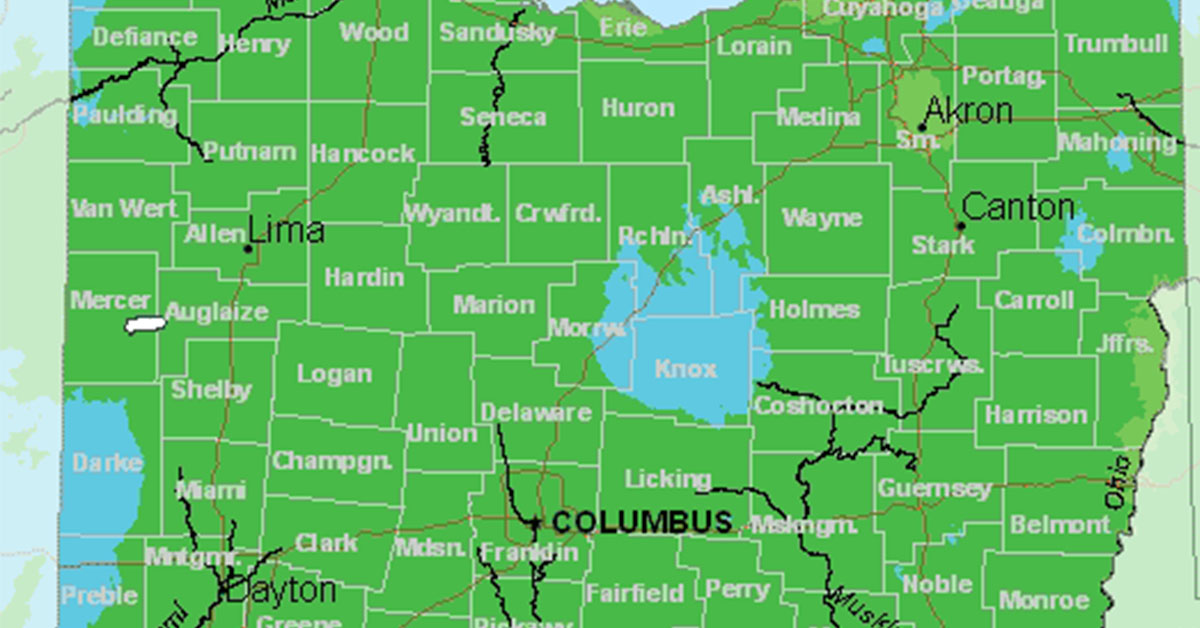

Welcome to the lush world of gardening in Cincinnati, where the beauty of the Ohio River Valley meets the passion of green-thumbed enthusiasts. Nestled within the USDA hardiness zone 6a, Cincinnati offers a unique climate that presents both opportunities and challenges for gardeners. With its moderate winters and warm, humid summers, this region provides a diverse range of plants that can thrive in its conditions.
Whether you’re a seasoned gardener or just starting out, understanding the USDA hardiness zone and its implications is crucial for successful gardening in Cincinnati. In this article, we will explore the significance of the hardiness zone, discuss the specific characteristics of Cincinnati’s climate, and provide valuable tips and recommendations for cultivating a vibrant and flourishing garden in this captivating city.
What is Cincinnati’s USDA hardiness zone?
The USDA hardiness zone is a system developed by the United States Department of Agriculture (USDA) to categorize regions based on their average annual minimum temperatures. This system helps gardeners and plant enthusiasts determine which plants are most likely to thrive in a particular area.
Cincinnati, Ohio falls within the USDA hardiness zone 6a. This means that the average annual minimum temperature in Cincinnati ranges between -10°F to -5°F (-23°C to -21°C). It is important to note that this is just an average, and extreme weather events can sometimes cause temperatures to drop even lower. Knowing the hardiness zone is crucial when selecting plants for your garden.
Each plant has its own specific temperature tolerance, and selecting plants that are suited for your hardiness zone increases their chances of survival and success. In Cincinnati’s zone 6a, gardeners have a wide range of plant options to choose from. Many popular garden plants, such as roses, tulips, daffodils, and daylilies, are well-suited for this zone. Additionally, a variety of trees and shrubs, including maple, oak, dogwood, and lilac, can thrive in this region.
However, it is important to consider other factors besides temperature when selecting plants. Soil type, sunlight exposure, and moisture levels are also critical to a plant’s success. It is advisable to research specific plant requirements and consult with local nurseries or gardening experts to ensure the best choices for your Cincinnati garden.
Furthermore, microclimates within Cincinnati may exist due to variations in elevation, proximity to bodies of water, or urban heat island effects. These microclimates can create slightly different growing conditions, allowing for the successful cultivation of plants that may not typically thrive in the general hardiness zone.
Therefore, it is always beneficial to observe and understand the specific conditions of your garden before making plant selections. By understanding the USDA hardiness zone, gardeners in Cincinnati can make informed decisions about which plants are most likely to thrive in their region and create beautiful, successful gardens.
When can you plant your garden in Cincinnati?
In Cincinnati, the ideal planting times for various plants can be determined based on the USDA hardiness zone. Cincinnati falls under USDA hardiness zone 6a, which means it experiences an average minimum temperature range of -10°F to -5°F (-23°C to -21°C). Here are the ideal planting times for different types of plants in Cincinnati:
- Cool-season vegetables: Cool-season vegetables such as lettuce, spinach, kale, and peas can be planted in early spring, as soon as the soil can be worked, which is typically around mid-March to early April. These vegetables can also be planted again in late summer or early fall for a second harvest.
- Warm-season vegetables: Warm-season vegetables like tomatoes, peppers, cucumbers, and beans require warmer soil and air temperatures. It is best to wait until after the last frost date, which is typically around mid-April to early May in Cincinnati, before planting these vegetables. This ensures that the soil has warmed up sufficiently for their growth.
- Perennials: Perennials, which include flowers, shrubs, and trees, can be planted in Cincinnati during spring or fall. Spring planting is preferred for most perennials, as it allows them to establish their root systems before the hot summer months. However, fall planting can also be done, typically in September or October, to take advantage of cooler temperatures and ample rainfall.
- Annual flowers: Annual flowers, such as marigolds, petunias, and zinnias, can be planted after the last frost date, around mid-April to early May. These flowers thrive in warm weather and will continue to bloom throughout the summer until the first frost in fall.
- Bulbs: Spring-flowering bulbs like tulips, daffodils, and hyacinths should be planted in the fall, ideally around September or October. This allows them to undergo a period of dormancy during winter and bloom beautifully in spring.
It is important to note that these planting times are general guidelines, and weather conditions can vary from year to year. It is always a good idea to monitor local weather forecasts and adjust your planting schedule accordingly. Additionally, specific plant varieties may have slightly different planting requirements, so it is advisable to refer to individual plant labels or consult with a local gardening expert for more precise information.
What grows well in Cincinnati?
Cincinnati falls under USDA hardiness zone 6a, which means the average minimum winter temperature ranges from -10°F to -5°F (-23.3°C to -20.6°C). Here is a comprehensive list of plants that generally grow well in Cincinnati’s climate:
- Red Maple (Acer rubrum)
- Sugar Maple (Acer saccharum)
- Eastern Redbud (Cercis canadensis)
- American Sycamore (Platanus occidentalis)
- White Oak (Quercus alba)
- Tulip Tree (Liriodendron tulipifera)
- Black Cherry (Prunus serotina)
- Eastern White Pine (Pinus strobus)
- American Beech (Fagus grandifolia)
- Kentucky Coffeetree (Gymnocladus dioicus)
- Forsythia (Forsythia spp.)
- Lilac (Syringa spp.)
- Spirea (Spiraea spp.)
- Viburnum (Viburnum spp.)
- Hydrangea (Hydrangea spp.)
- Ninebark (Physocarpus spp.)
- Winterberry (Ilex verticillata)
- Serviceberry (Amelanchier spp.)
- Burning Bush (Euonymus alatus)
- Arrowwood (Viburnum dentatum)
- Black-eyed Susan (Rudbeckia spp.)
- Coneflower (Echinacea spp.)
- Daylily (Hemerocallis spp.)
- Hosta (Hosta spp.)
- Coral Bells (Heuchera spp.)
- Astilbe (Astilbe spp.)
- Bee Balm (Monarda spp.)
- Phlox (Phlox spp.)
- Sedum (Sedum spp.)
- Peony (Paeonia spp.)
- Petunia (Petunia spp.)
- Marigold (Tagetes spp.)
- Zinnia (Zinnia spp.)
- Impatiens (Impatiens spp.)
- Geranium (Pelargonium spp.)
- Begonia (Begonia spp.)
- Salvia (Salvia spp.)
- Coleus (Plectranthus scutellarioides)
- Snapdragons (Antirrhinum spp.)
- Lobelia (Lobelia spp.)
- Tomatoes (Solanum lycopersicum)
- Peppers (Capsicum spp.)
- Beans (Phaseolus spp.)
- Lettuce (Lactuca sativa)
- Cabbage (Brassica oleracea)
- Carrots (Daucus carota)
- Basil (Ocimum basilicum)
- Thyme (Thymus spp.)
- Rosemary (Rosmarinus officinalis)
- Parsley (Petroselinum crispum)
Remember to consider specific growing conditions, such as sunlight, soil type, and moisture requirements, when selecting plants for your garden in Cincinnati.
What won’t grow in Cincinnati?
In Cincinnati, which falls under USDA hardiness zone 6a, there are certain plants that may struggle to thrive due to the region’s climate and conditions. Here are some examples:
- Tropical Plants: Plants that require a consistently warm climate, such as banana trees (Musa spp.), coconut palms (Cocos nucifera), and hibiscus (Hibiscus spp.), may struggle in Cincinnati’s colder winters.
- Desert Plants: Succulents and cacti that are native to arid regions, like the desert, may not fare well in Cincinnati’s higher humidity levels and colder temperatures. Examples include saguaro cactus (Carnegiea gigantea) and agave species.
- Mediterranean Plants: Some plants that thrive in Mediterranean climates, such as olive trees (Olea europaea), lavender (Lavandula spp.), and rosemary (Rosmarinus officinalis), may struggle in Cincinnati due to the region’s colder winters and higher humidity.
- Tropical Fruits: Fruiting plants like citrus trees (Citrus spp.), mango trees (Mangifera indica), and papaya trees (Carica papaya) may not be able to tolerate Cincinnati’s colder temperatures and shorter growing season.
- Subtropical Plants: Certain subtropical plants, like avocado trees (Persea americana), may not be able to withstand Cincinnati’s colder winters and may struggle to thrive in the region.
It’s important to note that while these plants may not thrive in Cincinnati’s climate, it is still possible to grow them as indoor plants or in containers that can be moved indoors during the colder months. Additionally, there are often cultivars or varieties of these plants that are more cold-hardy and may be suitable for Cincinnati’s climate.