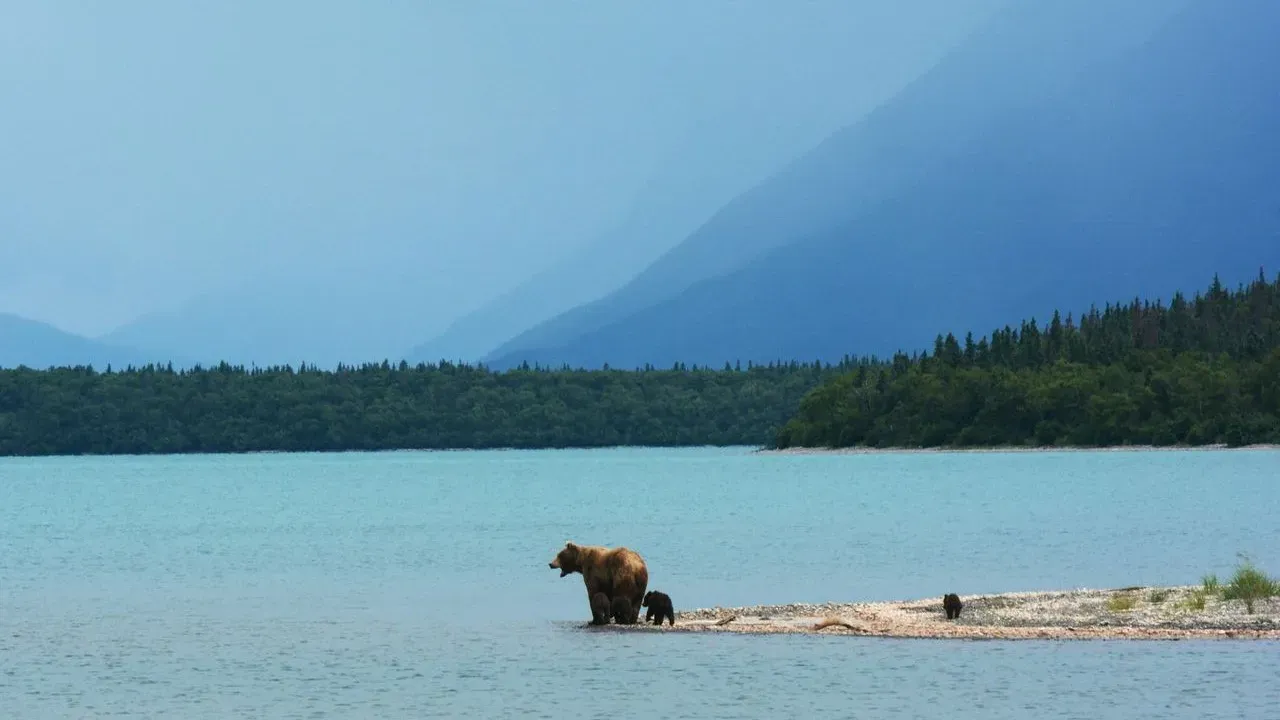

Alaska’s brown bears have returned to the spotlight as Fat Bear Week opens its annual competition for the title of heaviest contender. Defending champion Chunk, officially known as Bear 32, enters the 2026 bracket after an estimated 1,200-pound showing last year that secured a narrow win. The event, held in Katmai National Park and Preserve, highlights how these animals prepare for the long winter ahead. ([1])
The Origins of a Popular Wildlife Tradition
Fat Bear Week began in 2014 as a simple online effort to draw public attention to the brown bears that frequent the Brooks River. These coastal bears, close relatives of inland grizzlies, rely on a short but intense season of salmon feeding to build the fat reserves needed for hibernation. The contest has grown into a global favorite, with millions of participants casting votes each year to celebrate the animals’ survival strategies rather than any single dramatic moment. The timing aligns with the bears’ natural cycle. After months of gorging on sockeye salmon that migrate upstream, the largest males can exceed 1,000 pounds. This preparation allows them to endure months without eating or drinking while losing roughly a third of their body weight. The event turns that biological reality into an accessible story for viewers worldwide.
Chunk’s Record and the Field He Faces
Chunk claimed the 2025 crown with his substantial size and has returned this year seeking a repeat performance. He carries a visible scar on his muzzle and a protruding canine tooth from a jaw injury sustained earlier in 2025, yet still managed to outpace the competition. Among the challengers is Gully, or Bear 903, the offspring of former champion Grazer, who brings her own family legacy to the bracket. Sixteen bears advance to the single-elimination tournament after being selected from more than 100 individuals observed near the river this season. Fans often choose favorites based on appearance, personal history, or the dramatic before-and-after photos that show lean summer arrivals transformed by weeks of heavy feeding. The bears themselves are never weighed directly.
How Viewers Participate and What They See
Voting runs online through September 29 at the official Fat Bear Week site, with daily matchups determining who advances. Live cameras operated in partnership with explore.org allow anyone to watch the bears fishing, resting, and interacting at Brooks Falls in real time. This access gives voters a direct look at the animals’ behavior before they submit their choices. The format emphasizes preparation for winter rather than competition for its own sake. Organizers note that the fattest bears demonstrate the most successful foraging, a key factor in surviving the months of dormancy. Past years have shown how individual stories, such as family conflicts or recoveries from injury, add layers of interest for regular followers.
Why the Event Resonates Beyond the Bracket
Fat Bear Week serves as an entry point for broader awareness of the roughly 2,200 brown bears that inhabit the preserve. By focusing on the visible results of a productive salmon run, the contest underscores the importance of healthy ecosystems on the Alaska Peninsula. Viewers gain a seasonal window into wildlife that would otherwise remain remote. The outcome on September 29 will name this year’s champion, yet the real measure of success lies in the bears’ ability to enter hibernation in strong condition. Chunk’s bid for a second title keeps attention on one of the park’s most recognizable residents while the larger group continues its annual cycle of feeding and rest.
AI Disclaimer: This article was created with the assistance of AI tools and reviewed by a human editor.