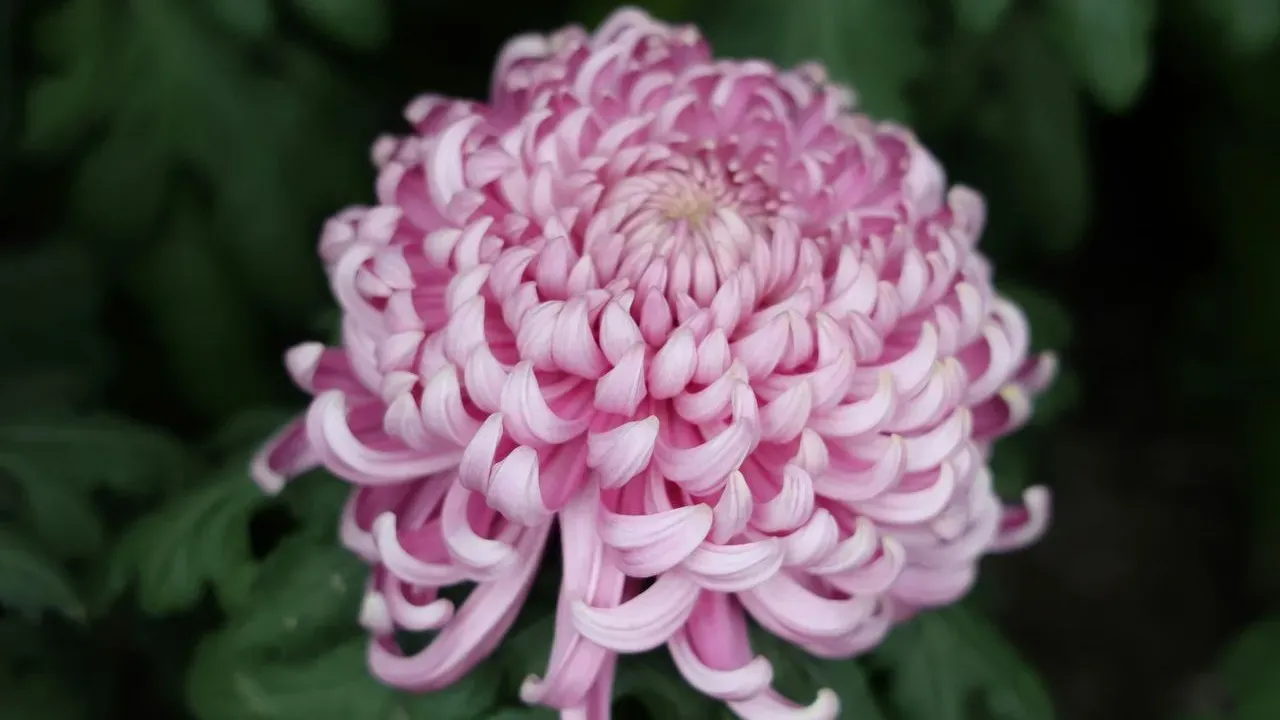

Chrysanthemums rank among the most popular fall flowers because they provide color long after many other garden plants have faded. Gardeners often purchase potted versions each season at considerable expense, yet these blooms can be started from seed with a bit of planning. The approach challenges the usual routine of buying ready-made plants and opens a more economical path to the same seasonal display. ([1])
Why Seed Starting Changes the Equation
Buying potted chrysanthemums delivers instant results, but the cost adds up quickly for anyone who wants multiple plants or repeats the purchase year after year. Starting from seed shifts the timeline earlier in the season and reduces reliance on retail purchases. The plants that result often carry the same vibrant fall display while allowing gardeners to select specific colors or varieties suited to their space.
Many people assume chrysanthemums require special propagation methods or greenhouse conditions. In practice, the process aligns with standard cool-season flower growing once the right timing is observed. This method rewards patience with plants that establish well and bloom reliably when days shorten.
Timing and Site Preparation
Success begins with matching the sowing schedule to local frost dates. Seeds are typically started indoors several weeks before the last expected spring frost so seedlings reach transplant size in time for summer growth. Outdoor sowing works in milder climates where soil warms early enough for the full cycle to complete before autumn.
Choose a location that receives full sun and offers well-drained soil. Chrysanthemums perform best in fertile ground enriched with compost, which supports strong root development without waterlogging. Raised beds or containers with drainage holes provide reliable options when native soil drains poorly.
Sowing and Early Care
Scatter seeds thinly on the surface of moist seed-starting mix and press them lightly into contact with the medium. Light is needed for germination, so avoid burying the seeds deeply. Maintain consistent moisture and temperatures around 70 degrees Fahrenheit until sprouts appear, usually within one to three weeks.
Once seedlings develop their first true leaves, thin them to avoid overcrowding and begin light feeding with a balanced fertilizer. Gradual hardening off prepares the young plants for outdoor conditions. Transplanting occurs after all danger of frost has passed and the soil has warmed.
Seasonal Maintenance Through Bloom
Established plants benefit from regular watering during dry spells and occasional pinching of growing tips to encourage bushier form and more flowers. Mulching helps retain soil moisture and suppress weeds around the base. As summer transitions to fall, the plants respond to shorter days by forming buds that open into the familiar daisy-like blooms.
Deadheading spent flowers can extend the display, while leaving some seed heads supports wildlife or future collection. In colder regions, a layer of mulch or protective covering helps roots survive winter for possible return growth the following year.
What matters now: Starting chrysanthemums from seed this season offers a practical way to expand fall color while controlling costs. The method fits neatly into existing spring routines and rewards consistent care with reliable autumn results.
AI Disclaimer: This article was created with the assistance of AI tools and reviewed by a human editor.