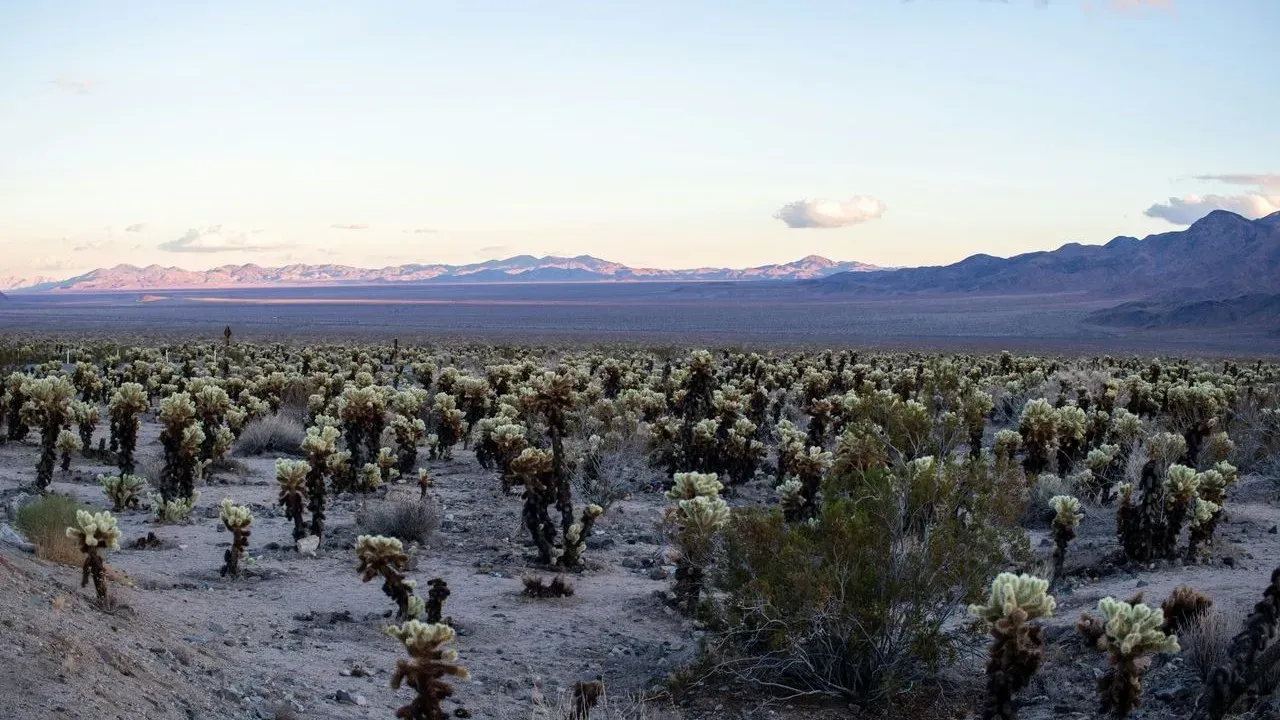

Gardeners seeking low water options for arid landscapes often overlook cholla cactus, yet its branching forms and vivid flowers deliver striking results when conditions suit. The plant thrives in desert or dry garden settings where many other species struggle. Its blossoms can rival those of wild roses in color and impact, though the sharp spines require careful handling from the start. ([1])
Why Home Gardeners Choose Cholla
Cholla cactus stands out for its architectural presence in spaces that receive intense sun and minimal rainfall. The branching structure creates natural sculpture that changes with light and season. Homeowners in dry regions gain a plant that reduces irrigation needs while adding year round texture. This choice supports water wise landscaping goals that many municipalities now encourage.
Practical outcomes appear within the first growing season when plants establish. Gardeners report fewer pest issues compared with traditional ornamentals. The result is a lower maintenance bed that still offers seasonal color. Stakeholders include both new homeowners and experienced desert gardeners looking to expand their plant palette.
Key Planting Considerations
Site selection determines long term success. Full sun exposure and well drained soil prevent common rot problems. Spacing allows room for the plant to reach its mature size without crowding neighboring specimens. Early placement decisions affect how the cactus integrates into the overall design.
Timing matters in regions with distinct seasons. Planting during cooler months reduces transplant stress. Gardeners who prepare the site properly see faster establishment and stronger initial growth. These steps protect the investment of time and resources.
Managing the Spines Safely
Spines present the main handling challenge during planting and routine care. Thick gloves and tools designed for cacti reduce injury risk. Gardeners learn to approach the plant from the side rather than reaching over it. This habit becomes second nature after the first season.
Placement away from walkways and play areas protects visitors and pets. Some gardeners add gravel mulch around the base to discourage close contact. The visual payoff of the blooms makes the extra caution worthwhile for those who plan ahead.
Long Term Garden Impact
Established cholla plants contribute to biodiversity by supporting pollinators during bloom periods. Their drought tolerance aligns with changing climate patterns in many areas. Gardeners who include them often expand into other native or adapted species over time.
The plant rewards patience with reliable performance once rooted. Its presence can shift an entire dry garden from sparse to dramatic. Those who start with one specimen frequently add more as they gain confidence with the species.
AI Disclaimer: This article was created with the assistance of AI tools and reviewed by a human editor.