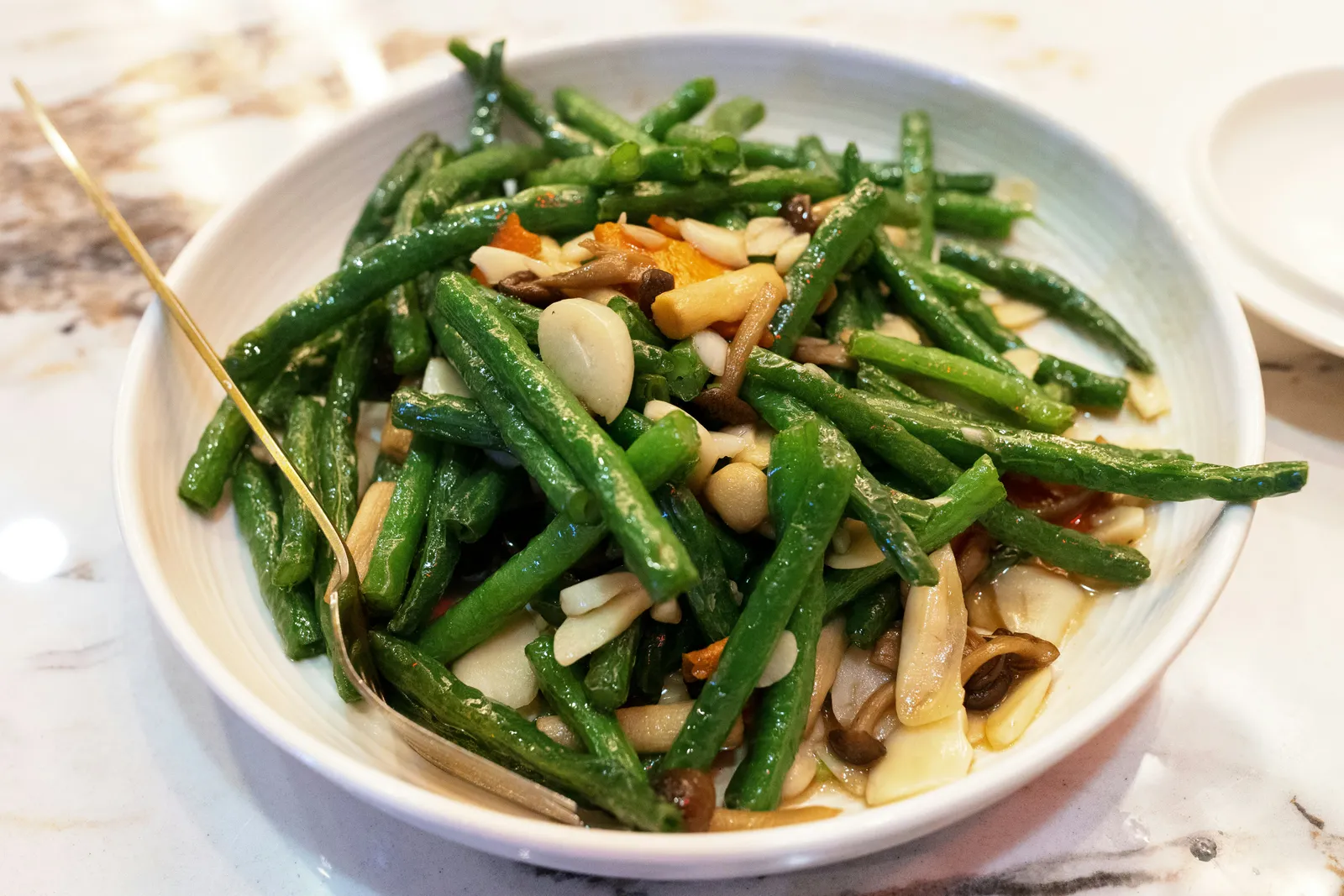

Gardeners who grow yardlong beans often face the same surprise. Steaming or boiling them like ordinary green beans produces disappointing results. A quick shift to high-heat cooking changes everything and turns these lengthy pods into a savory side that comes together fast.
Why Long Beans Need Different Treatment
Chinese long beans, also known as yardlong or asparagus beans, contain more structure than standard green beans. Their denser texture holds up well when exposed to intense heat. This quality makes blistering the ideal method rather than gentle steaming.
The process creates browned spots that absorb seasoning and give the finished dish its signature character. Home cooks who once gave away excess harvests now look forward to preparing them this way each summer.
Simple Ingredients That Build Big Taste
The recipe relies on pantry staples most cooks keep on hand. High-smoke-point oil such as avocado or peanut prevents burning during the hot sear. Fresh garlic and ginger provide bright aromatics that stand out when minced just before they hit the pan.
Toasted sesame oil and seeds finish the dish with nutty depth. A touch of soy sauce and sugar balances the flavors without overpowering the beans themselves. Using produce straight from the garden, including homegrown ginger or garlic when available, elevates the result further.
Step-by-Step Method for Perfect Results
Begin by trimming the beans and cutting them into three-inch segments. Pat every piece completely dry so moisture does not interfere with blistering. Heat two tablespoons of oil in a skillet until shimmering, then add the beans in a single layer.
Allow them to sit undisturbed for a couple of minutes until brown spots form. Stir and repeat on the remaining sides. Lower the heat, add the garlic and ginger, and cook just until fragrant. Pour in the soy sauce mixture along with the sesame oil, toss quickly, and remove from heat to avoid bitterness.
Toast the sesame seeds briefly in the residual warmth of the pan before scattering them over the plated beans. The entire sequence takes roughly fifteen minutes from start to finish.
Practical Tips and Common Questions
Long beans store well for several days when wrapped in a damp towel inside an airtight container in the refrigerator. This flexibility lets gardeners wait until they have enough for a full batch. Regular green beans can substitute in a pinch, though they require slightly less time in the pan because they release more moisture.
Those who enjoy growing their own will find these beans productive even in hot climates where other varieties struggle. The same high-heat approach that improves flavor also preserves texture, keeping the pods tender with a pleasant bite rather than turning mushy.
From Garden Harvest to Table
Many gardeners discover Chinese long beans after standard green bean crops finish for the season. The plants continue producing through summer heat, providing a steady supply for quick weeknight meals. Served alongside rice or as part of a larger spread, the blistered beans bring welcome variety to the table.
Leftovers hold up nicely for the next day, making the recipe practical for busy households. The straightforward technique rewards anyone willing to try a new approach with their homegrown harvest.
AI Disclaimer: This article was created with the assistance of AI tools and reviewed by a human editor.