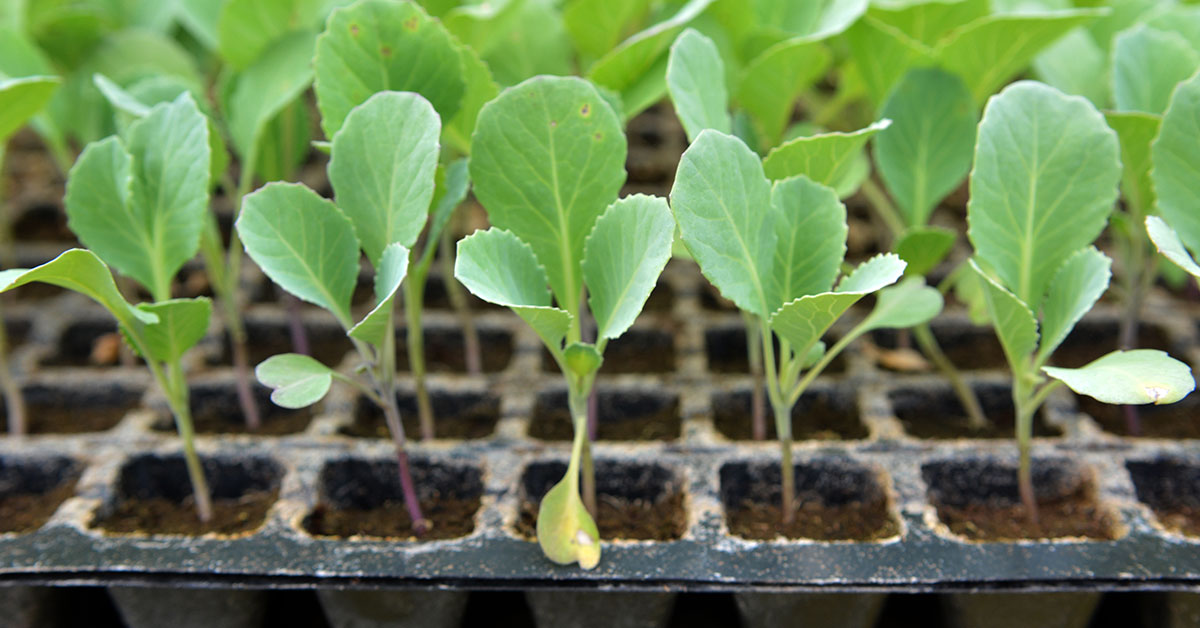

Chinese cabbage is a versatile and nutritious leafy vegetable that has been a staple in Asian cuisine for centuries. Chinese cabbage, scientifically known as Brassica rapa subsp. pekinensis, is a member of the Brassicaceae family and is closely related to other cabbage varieties, such as napa cabbage and bok choy. With its tender, pale green leaves and crunchy texture, this cabbage offers a delightful addition to salads, stir-fries, soups, and pickled dishes.
Not only does it impart a unique flavor to your culinary creations, but it is also packed with essential vitamins, minerals, and antioxidants that promote good health. Whether you are an experienced gardener seeking to expand your vegetable repertoire or a novice looking to embark on a new gardening adventure, this article will guide you through the art of cultivating Chinese cabbage, from seed to harvest, ensuring a bountiful yield of this remarkable vegetable.
What is a Chinese Cabbage?
Chinese cabbage, also known as Napa cabbage or bok choy, is a leafy vegetable that belongs to the Brassica family. It is a popular vegetable in many Asian cuisines, particularly in Chinese, Korean, and Japanese dishes. Chinese cabbage has a cylindrical shape with long, pale green leaves that are tightly packed together in a loose head. The outer leaves are usually crinkled or ruffled, while the inner leaves are tender and light green in color. The size can vary, but it is generally larger than regular cabbage. The flavor is mild and slightly sweet, with a crisp and crunchy texture.
The leaves are often used in stir-fries, soups, stews, and salads. It is a versatile vegetable that can be cooked in various ways, including steaming, boiling, or sautéing. The inner stalks can be sliced and added to dishes, while the outer leaves can be used for wrapping or as a bed for steaming other ingredients. Chinese cabbage is not only delicious but also highly nutritious. It is low in calories and fat, while being rich in vitamins A, C, and K, as well as folate and potassium. It also contains antioxidants and dietary fiber, making it a healthy addition to any diet.
When growing Chinese cabbage, it prefers cool climates and well-drained soil. It can be grown from seeds or seedlings and requires regular watering and fertilization. Chinese cabbage is a fast-growing vegetable, usually taking around 70-80 days to reach maturity. In summary, this is a versatile and nutritious leafy vegetable that is popular in Asian cuisines. Its mild flavor and crunchy texture make it a delightful addition to a wide range of dishes. Whether you’re a fan of stir-fries, soups, or salads, Chinese cabbage is definitely worth trying in your culinary adventures.
What does Chinese Cabbage taste like?
Chinese cabbage, also known as Napa cabbage or celery cabbage, has a mild and slightly sweet flavor. Its taste is often described as crisp, refreshing, and subtly peppery. The leaves are tender and have a delicate texture, making them perfect for both raw and cooked preparations. When eaten raw, Chinese cabbage adds a refreshing crunch to salads and slaws. It can also be steamed, stir-fried, or braised, where it retains its crispness while absorbing the flavors of the dish. Overall, Chinese cabbage has a mild taste that pairs well with a variety of ingredients and seasonings, making it a versatile and enjoyable addition to any dish.
How to start from seed
Starting Chinese cabbage from seeds is a relatively simple process. Here’s a step-by-step guide:
- Seed Selection: Choose high-quality seeds from a reputable source. Look for fresh seeds that have been properly stored to ensure good germination rates.
- Timing: Chinese cabbage can be grown in both cool and warm seasons, but it is generally easier to start them in cooler months. Determine the recommended planting time for your specific region and plan accordingly.
- Soil Preparation: Prepare a well-draining soil rich in organic matter. Chinese cabbage prefers slightly acidic to neutral soil with a pH between 6.0 and 7.5. Amend the soil with compost or well-rotted manure to improve its fertility and structure.
- Sowing Seeds: Sow the seeds directly in the garden bed or in seed trays/pots. If starting indoors, use a seed starting mix. Sow the seeds about ¼ to ½ inch (6 to 12 mm) deep, spacing them around 4 to 6 inches (10 to 15 cm) apart. If planting in rows, keep the rows about 12 to 18 inches (30 to 45 cm) apart.
- Watering: After sowing the seeds, water the soil gently to ensure proper moisture. Avoid overwatering, as it can lead to rot or damping-off disease. Maintain consistent moisture throughout the germination and early growth stages.
- Germination: Chinese cabbage usually germinates within 5 to 10 days, depending on the temperature. Keep the soil consistently moist during this period to aid germination.
- Thinning: Once the seedlings have sprouted and developed their first set of true leaves, thin them out to provide enough space for growth. Remove the weaker seedlings, leaving the healthiest and strongest ones. For Chinese cabbage, thinning to a spacing of 8 to 12 inches (20 to 30 cm) between plants is ideal.
- Transplanting: If you started the seeds indoors, consider transplanting the seedlings to the garden bed once they are 3 to 4 weeks old or have 4 to 6 leaves. Harden off the seedlings by gradually exposing them to outdoor conditions over a week before transplanting.
- Care: It prefers full sun but can tolerate partial shade. Keep the soil consistently moist, watering deeply when needed. Mulching around the plants can help conserve moisture and suppress weed growth. Fertilize with a balanced organic fertilizer according to the package instructions.
- Harvesting: This plant can be harvested when the heads are firm and well-formed. Harvest the entire head by cutting it at the base or, if you prefer, you can harvest individual leaves as needed for a continuous harvest.
Remember to always refer to the specific instructions provided with the seed packet, as different varieties may have slightly different requirements.
Planting and growing Chinese Cabbage
To plant and grow Chinese cabbage, follow these steps:
- Choose a suitable location: Chinese cabbage prefers full sun but can tolerate partial shade. Select a spot with well-draining soil that is rich in organic matter.
- Prepare the soil: Before planting, prepare the soil by removing any weeds or debris. Loosen the soil to a depth of 8-10 inches and mix in compost or aged manure to improve fertility and drainage.
- Sow the seeds: Chinese cabbage can be directly sown into the ground or started indoors. If starting indoors, sow seeds 4-6 weeks before the last frost date. Plant seeds 1/4 to 1/2 inch deep, spacing them 12-18 inches apart. If planting directly in the ground, sow seeds when the soil temperature reaches around 45-75°F (7-24°C).
- Watering: Keep the soil consistently moist but not waterlogged. Chinese cabbage requires regular watering, especially during dry periods. Avoid overhead watering to prevent disease.
- Thin the seedlings: Once the seedlings have emerged and developed their first true leaves, thin them out to provide adequate space for growth. Maintain a spacing of 12-18 inches between plants.
- Fertilization: Chinese cabbage benefits from regular feeding. Apply a balanced fertilizer every 3-4 weeks or use compost or organic matter to provide nutrients to the plants.
- Mulching: Apply a layer of mulch around the plants to retain moisture, suppress weed growth, and regulate soil temperature.
- Pests and diseases: Monitor the plants regularly for pests like aphids, cabbage worms, and slugs. Use organic pest control methods such as handpicking or using insecticidal soap if necessary. Watch out for diseases like clubroot and downy mildew, and promptly remove affected plants to prevent further spread.
- Harvesting: Chinese cabbage is ready for harvest when the heads are firm and dense. This usually occurs within 60-75 days after planting, depending on the variety. Cut the heads at the base with a sharp knife, leaving some of the outer leaves intact for protection.
By following these steps, you can successfully plant and grow Chinese cabbage in your garden. Enjoy the fresh and crunchy leaves in your meals!
When to harvest
The best time to harvest Chinese cabbage depends on the specific variety and your growing conditions. However, as a general rule, most Chinese cabbage varieties are ready for harvest when the heads are firm and have reached their mature size.
For baby or mini Chinese cabbage, you can start harvesting when the heads are about 4-6 inches in diameter. This typically occurs around 30-45 days after transplanting or sowing the seeds.
For full-sized Chinese cabbage heads, you can harvest them when they reach around 10-12 inches in diameter. This usually takes around 60-80 days after transplanting or sowing.
It’s important to monitor the development of the heads closely and look for signs of maturity. The outer leaves should be crisp and tightly wrapped around the head. If the leaves start to loosen or yellow, it’s an indication that the cabbage may be overripe.
Remember to use a sharp knife or garden shears to cut the cabbage at the base of the plant. Leave a small portion of the stem attached to the head to help prolong its shelf life. Enjoy your freshly harvested Chinese cabbage!